Have you ever wondered how long your dog can hold it before needing to pee? It’s a question every pet owner asks, especially when busy days or long trips keep you both on the go.
Understanding your dog’s limits isn’t just about convenience—it’s about their health and comfort. You’ll discover the surprising answers and essential signs to watch for. Keep reading to learn how to keep your furry friend happy and healthy, no matter the situation.
Dog Bladder Basics
Your dog’s bladder plays a key role in their health and comfort. It stores urine until your dog is ready to go outside. Knowing how your dog’s bladder works helps you understand their needs better.
Dogs do not hold urine like humans do. Holding too long can cause discomfort or health problems. Learning about bladder size and urination habits helps you care for your dog well.
Bladder Capacity By Size
Bladder size depends on your dog’s body size. Small dogs have smaller bladders. Large dogs have bigger bladders and can hold more urine.
On average, a dog’s bladder can hold about 1 to 2 milliliters of urine per pound of body weight. This means a 10-pound dog can hold roughly 10 to 20 milliliters at a time.
Knowing your dog’s size helps estimate their bladder capacity. This guides you on how often they need to pee.
Normal Urination Frequency
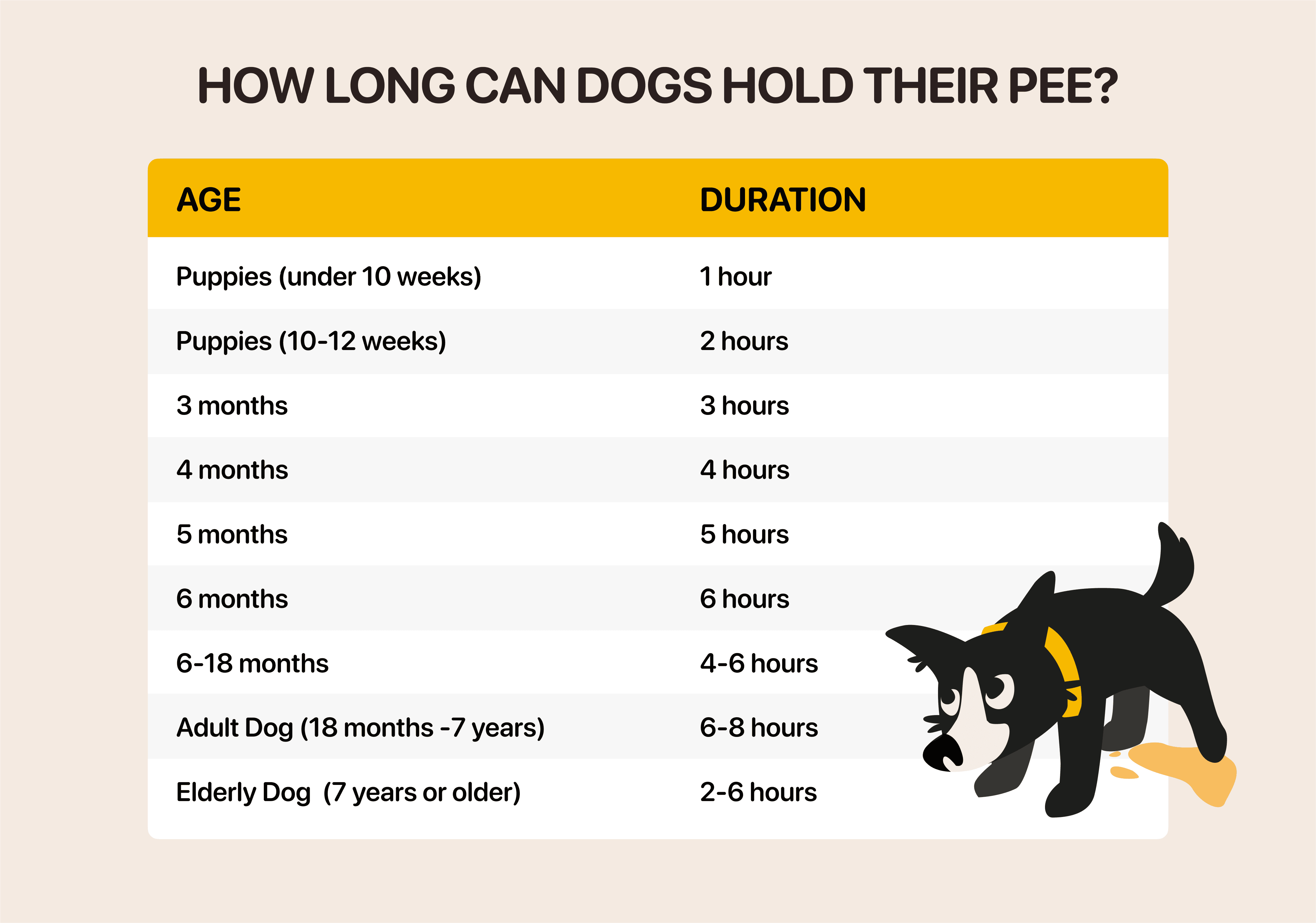
Most dogs pee between three and five times daily. Puppies and older dogs may need to go more often. Healthy adult dogs usually hold urine for about six to eight hours.
Frequent urination can signal health issues. Rare urination or holding too long can cause bladder problems. Pay attention to your dog’s normal pattern.
Regular bathroom breaks keep your dog comfortable and healthy. Watch for changes and provide chances to pee often.
Factors Affecting Urination
Several factors influence how often your dog needs to pee. These factors affect their bladder control and urine production. Understanding these can help you care for your dog better.
Age And Health
Puppies and older dogs usually pee more often. Young dogs have smaller bladders. Older dogs may have health issues like urinary infections. Illnesses can change urination habits quickly. Regular vet checkups help spot problems early.
Diet And Water Intake
A dog’s food and water intake change urination frequency. More water means more trips outside. Wet food contains water and can increase peeing. Dry food dogs may drink more water. Salt and treats also affect how often they pee.
Activity Levels
Active dogs tend to drink more water. They also burn more energy and need to pee more. Less active dogs may urinate less often. Exercise breaks provide chances for bathroom trips. Keep a routine to support healthy habits.
Signs Of Urinary Problems
Noticing signs of urinary problems in your dog is very important. These signs can show that your dog needs help from a vet. Watch your dog’s bathroom habits closely. Changes can mean health issues. Early detection helps keep your dog healthy and comfortable.
Frequent Urination
Dogs with urinary issues may pee more often than usual. They might try to go even without much urine coming out. This can show an infection or irritation in the bladder. If your dog asks to go outside too many times, pay attention.
Difficulty Peeing
Straining or trouble while peeing is a common sign of urinary problems. Your dog might squat for a long time or seem in pain. Sometimes, they may not pee at all despite trying. This can be serious and needs quick vet care.
Blood In Urine
Seeing blood in your dog’s urine is a warning sign. It can mean infection, stones, or injury in the urinary tract. Blood may make the urine look pink, red, or dark. Always get your dog checked if you notice this.
Credit: www.woofz.com
Risks Of Holding Urine Too Long
Dogs need to pee regularly to stay healthy. Holding urine too long can cause serious health problems. It stresses their bladder and other organs. Ignoring this need can lead to pain and illness. Knowing the risks helps you care better for your dog.
Bladder Infections
Holding urine often causes bladder infections. Bacteria grow fast in urine that stays too long. Infections make your dog feel pain and need to pee more. Untreated bladder infections can get worse quickly. Early care can stop infections from spreading.
Kidney Issues
Long urine retention puts pressure on kidneys. This pressure can cause kidney damage over time. Damaged kidneys affect how your dog’s body cleans waste. Kidney problems lead to tiredness and loss of appetite. Preventing long holds protects your dog’s kidney health.
Behavioral Problems
Dogs that hold urine may develop bad habits. They might start peeing inside the house. Stress from discomfort can make dogs anxious or restless. These behaviors hurt your dog’s happiness and your home’s cleanliness. Helping your dog pee on time avoids these problems.
How To Help Your Dog Hold It
Helping your dog hold its pee is important for both comfort and health. Dogs need regular bathroom breaks to avoid accidents and discomfort. Teaching your dog to hold it takes patience and clear routines. Use gentle methods that encourage good habits without stress.
Training Tips
Start by observing your dog’s natural bathroom times. Praise your dog after it pees outside. Use a consistent command like “go potty” to signal bathroom time. Avoid scolding for accidents; stay calm and clean up quietly. Slowly increase the time between breaks as your dog learns.
Creating A Bathroom Schedule
Set fixed times for bathroom breaks each day. Take your dog out first thing in the morning. Offer bathroom breaks after meals and naps. Evening breaks help prevent accidents overnight. A regular schedule helps your dog expect and hold pee better.
Using Indoor Options
Indoor potty pads work well during bad weather or long waits. Place pads in a quiet, easy-to-find spot. Encourage your dog to use pads with treats or praise. Clean pads regularly to avoid smells and mess. Gradually shift from pads to outdoor bathroom times.
Credit: heartofchelsea.com
When To See A Vet
Knowing when to see a vet is very important for your dog’s health. Dogs might stop peeing for many reasons. Some are simple, while others need quick care. Watch your dog’s behavior closely. Acting fast can prevent serious problems.
Persistent Changes In Urination
Notice if your dog pees much less or more than usual. Missing bathroom trips for a long time is a warning. Changes that last more than 24 hours need a vet check. Your dog might have a bladder or kidney problem. Early help can stop things from getting worse.
Signs Of Pain Or Discomfort
Your dog may show pain when trying to pee. Look for whining, licking the private area, or straining. These signs mean your dog is uncomfortable or in pain. Pain can signal an infection or blockage. A vet can find the cause and help ease the pain.
Other Concerning Symptoms
Check for vomiting, lethargy, or loss of appetite. These signs with urination changes are serious. They may point to illness beyond the bladder. Immediate vet care is needed to protect your dog’s health. Do not wait if you see these symptoms.
Credit: lovelandregional.com
Frequently Asked Questions
How Long Can A Dog Hold Its Pee Safely?
Most dogs can hold their pee for 6 to 8 hours, depending on age and health.
What Happens If A Dog Doesn’t Pee For Too Long?
Holding pee too long can cause discomfort, bladder infections, or kidney problems in dogs.
How Often Should I Take My Dog Outside To Pee?
Take your dog out every 4 to 6 hours to avoid accidents and keep them healthy.
Can Puppies Hold Their Pee Longer Than Adult Dogs?
No, puppies usually need to pee every 1 to 2 hours as their bladders are small.
Does Dog Breed Affect How Long They Can Hold Urine?
Yes, larger breeds often hold pee longer than smaller breeds due to bladder size.
What Signs Show My Dog Needs To Pee Urgently?
Restlessness, sniffing, circling, and whining often mean your dog needs to pee soon.
Conclusion
Dogs usually need to pee every 6 to 8 hours. Puppies and small dogs may need more frequent breaks. Holding urine too long can cause health problems. Watch your dog for signs of discomfort or urgency. Regular potty breaks help keep your dog healthy and happy.
Always provide fresh water and a safe place to relieve themselves. Remember, each dog is different, so pay attention to their needs. Taking care of your dog’s bathroom habits shows you care. Simple steps make a big difference in your dog’s well-being.
As an Amazon Associate, I earn from qualifying purchases.