Have you ever wondered how long you can leave your cat home alone without worrying? Whether you’re planning a short trip or a longer getaway, knowing the right amount of time your furry friend can be alone is crucial.
Leaving your cat alone for too long can affect their health and happiness, but leaving them too often might not be realistic for your schedule. You’ll discover clear answers and practical tips to keep your cat safe and comfortable when you’re away.
Keep reading to find out what’s best for your cat and how to prepare your home before you leave.
Ideal Duration For Leaving Cats Alone
Knowing the ideal duration for leaving your cat home alone helps keep them safe and happy. Cats need care, food, and attention to stay healthy. The right time away depends on your cat’s age, health, and personality.
Short-term Absences
Short trips, like a few hours, are easy for most cats. They can eat, rest, and play alone. Make sure they have enough water and food. Leave toys and a clean litter box to keep them comfortable.
Overnight Stays
Leaving your cat alone overnight is okay for healthy adults. Check food and water supplies before you leave. Some cats may feel lonely or anxious. A trusted friend or pet sitter can visit once to check on them.
Extended Periods
Longer absences, over 24 hours, need more planning. Cats need fresh food, water, and litter daily. Arrange for someone to care for your cat. Leaving a cat alone too long can cause stress and health problems.
Factors Affecting Cat’s Alone Time
Knowing how long a cat can stay alone depends on many things. Each cat is different. Some cats handle alone time well. Others need more care and attention. Understanding the factors helps you make the best choice for your pet.
Age And Health
Kittens need lots of care and should not stay alone long. Older cats may have health issues. They might need medicine or special food. Healthy adult cats usually manage alone time better. Always consider your cat’s age and health first.
Temperament And Behavior
Some cats are calm and independent. They can enjoy being alone for hours. Others feel anxious or bored quickly. Cats that get stressed need shorter alone time. Watch how your cat acts when you are home. It shows how they might feel alone.
Environment And Comfort
A safe, quiet space helps cats feel secure alone. Provide food, water, and a clean litter box. Toys and scratching posts keep cats busy. Avoid loud noises or sudden changes. A comfortable environment makes alone time easier for your cat.
Essential Preparations Before Leaving
Leaving your cat alone requires careful preparation. Cats depend on you for food, water, and comfort. Preparing these essentials helps keep your cat safe and happy. It also reduces stress for both of you while you are away.
Food And Water Arrangements
Provide enough food for the entire time you will be gone. Use a timed feeder for regular meals. Fresh water is very important. Use a water fountain or several bowls to keep water clean and available.
Litter Box Setup
Make sure the litter box is clean before you leave. Use extra litter boxes if you will be gone more than a day. Place boxes in quiet, easy-to-reach spots. This helps your cat stay comfortable and clean.
Safe And Enriching Space
Create a safe area for your cat to stay. Remove any dangerous items or plants. Add toys and scratching posts to keep your cat busy. Leave a cozy bed or blanket for resting. This space helps your cat feel secure and entertained.
Credit: www.holistapet.com
Safety Precautions For Solo Cats
Leaving a cat home alone requires careful safety planning. Cats explore and can get into trouble quickly. Taking simple steps keeps your cat safe and comfortable. Safety precautions help prevent accidents and stress for your solo cat. Here are key areas to focus on before you leave.
Removing Hazards
Clear small objects cats can swallow from floors and counters. Secure electrical cords to avoid chewing risks. Remove sharp items and breakables from your cat’s reach. Store cleaning supplies and chemicals in locked cabinets. Keep areas tidy to stop your cat from getting stuck.
Securing Windows And Doors
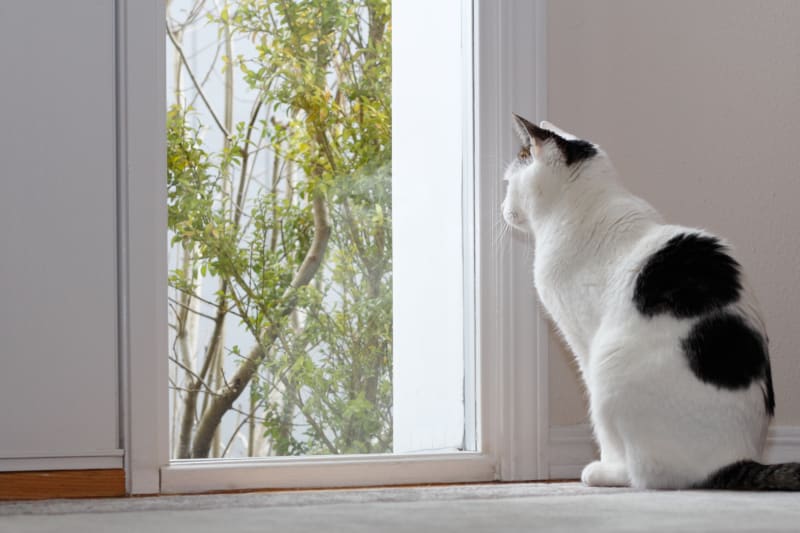
Close windows tightly or use secure screens. Open windows without screens can lead to falls. Lock doors to stop your cat from escaping. Check for small gaps where your cat might slip out. Use child-proof locks if your cat is curious and persistent.
Avoiding Toxic Plants And Foods
Keep toxic plants out of your cat’s reach. Common dangers include lilies, poinsettias, and philodendrons. Store human food away, especially chocolate, onions, and grapes. Remove any leftovers or trash that could tempt your cat. Know which plants and foods can harm your furry friend.
Using Technology To Monitor Cats
Technology helps pet owners care for cats when they are not home. It allows owners to watch and interact with their cats from far away. This makes leaving cats alone safer and less stressful for both the cat and the owner.
Pet Cameras And Apps
Pet cameras let you see your cat anytime. Most cameras connect to your phone through an app. You can watch live videos and talk to your cat. Some cameras even have night vision to see in the dark. This helps you check if your cat is safe and calm.
Automatic Feeders
Automatic feeders give your cat food at set times. This keeps your cat on a regular eating schedule. You can set how much and when the food is released. It stops your cat from getting too hungry or eating too much. Some feeders can be controlled from your phone.
Interactive Toys
Interactive toys keep your cat busy and active. These toys move or make sounds to catch your cat’s attention. Some toys can be controlled remotely with an app. They help reduce boredom and stress while you are away. A happy cat is a healthy cat.
Credit: www.carrollcountyah.com
When To Ask For Help
Leaving a cat home alone can be tricky. Cats need care, food, and attention. Sometimes, you might need extra help to keep your cat safe and happy. Knowing when to ask for help is very important. It makes sure your cat stays well while you are away.
Trusted Pet Sitters
Pet sitters can visit your cat during the day. They feed, play, and check on your cat’s health. Choose someone your cat likes and trusts. A good pet sitter gives your cat comfort and care.
Neighbor Assistance
Neighbors can help if they live nearby. They can stop by to feed and watch your cat. Neighbors you know well are a good choice. This help keeps your cat safe and less lonely.
Veterinary Support
Sometimes cats need urgent care. A vet can help if your cat feels sick or hurt. Keep your vet’s phone number handy. Ask a friend or sitter to take your cat to the vet if needed.
Signs Of Distress In Cats Left Alone
Cats are independent, but they still need attention. Leaving a cat alone for too long can cause stress. Recognizing signs of distress helps protect your pet’s well-being. Watch for changes in behavior and health. These signs tell you when your cat needs help or comfort.
Behavioral Changes
Notice if your cat becomes restless or agitated. Pacing, excessive meowing, or hiding can show anxiety. Some cats may scratch furniture or urinate outside the litter box. Loss of appetite or refusal to play are also warning signs. These behaviors mean your cat feels unsafe or lonely.
Health Indicators
Stress can affect your cat’s body. Look for vomiting, diarrhea, or changes in weight. Excessive grooming or fur loss may occur. A cat that sleeps too much or seems weak needs attention. These symptoms show your cat’s health is at risk from being alone too long.
When To Intervene
Act quickly if your cat shows distress signs. Provide company or toys to ease boredom. Check food, water, and litter box regularly. If problems persist, consult a veterinarian. Timely care prevents long-term issues and keeps your cat happy and healthy.

Credit: equipawspetservices.com
Frequently Asked Questions
How Long Can A Cat Stay Home Alone Safely?
Most cats can stay alone for 24 to 48 hours if they have food, water, and a clean litter box.
What Supplies Should I Leave For My Cat When Alone?
Leave enough food, water, a clean litter box, toys, and a comfortable resting spot.
How Does Cat Age Affect Alone Time Limits?
Kittens and older cats need more care and should not be left alone for long.
Can Cats Get Lonely Or Stressed When Alone?
Yes, cats can feel lonely and stressed without interaction for more than a day.
Should I Hire A Pet Sitter For Long Absences?
A pet sitter is best for absences longer than 48 hours to check on your cat.
How To Prepare Your Cat Before Leaving It Alone?
Play with your cat, ensure all needs are met, and create a safe, quiet space.
Conclusion
Cats can stay alone for short times, but not too long. Always leave enough food, water, and a clean litter box. Check on your cat or have someone visit if you will be away. Cats need love and attention to stay happy and healthy.
Plan trips carefully and think about your cat’s needs. This helps avoid stress and keeps your cat safe. Remember, your cat depends on you for care and comfort.
As an Amazon Associate, I earn from qualifying purchases.