Have you ever wondered how long feral cat families stay together? If you’ve seen groups of stray cats roaming your neighborhood, you might have noticed they don’t always stick around in one place.
Understanding their family bonds can change the way you see these elusive animals. You’ll discover the surprising truth about feral cat family life and what keeps them close—or drives them apart. Keep reading to learn what affects their time together and how it impacts their survival.
Credit: care-cats.org
Feral Cat Social Structure
Feral cats live in groups called colonies. These groups show a unique social structure. Understanding this helps explain how long feral cat families stay together. The social bonds in these colonies affect their survival and behavior.
Colony Formation
Colonies form around food sources and shelter. Cats choose spots with easy access to these needs. A colony can have a few cats or dozens. The group helps protect against dangers and share resources. Cats in colonies often know each other well.
Role Of The Mother Cat
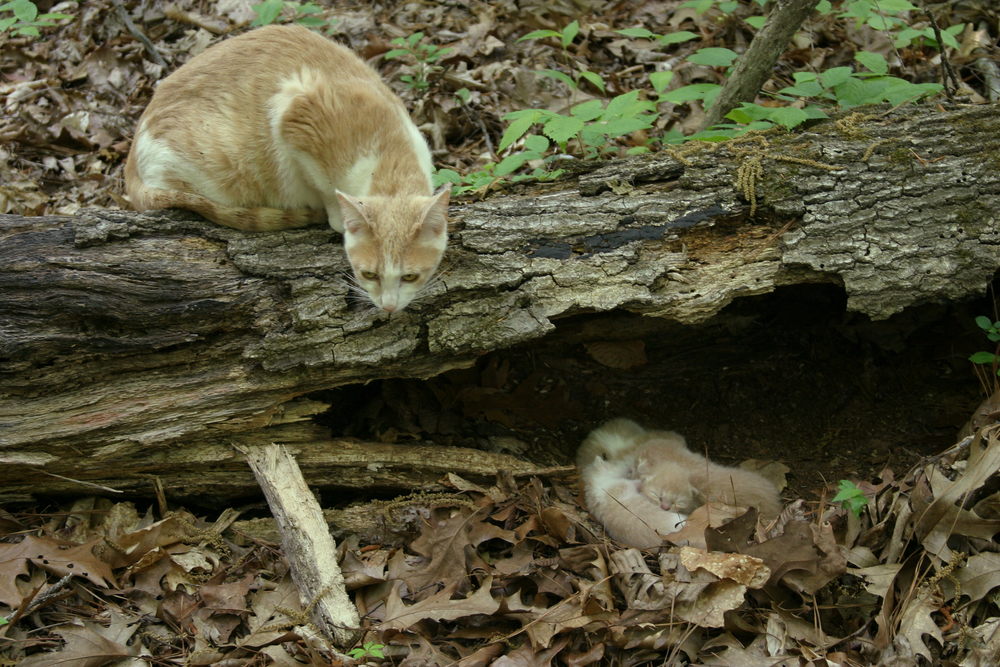
The mother cat leads her kittens. She cares for them until they grow strong. Mothers teach hunting and survival skills. They stay close to their kittens for weeks. Afterward, kittens may stay near or move to other colonies.
Territorial Behavior
Feral cats defend their territory from outsiders. Each colony has a home area marked by scent. Cats patrol these borders regularly. Territory size depends on food availability and colony size. Fighting occurs if another cat tries to enter.
Kitten Development Stages
Understanding the kitten development stages helps explain how long feral cat families stay together. Kittens grow fast, and each stage shapes their survival skills. Their time with the mother and siblings is crucial. This period builds their strength and teaches important behaviors.
Neonatal Period
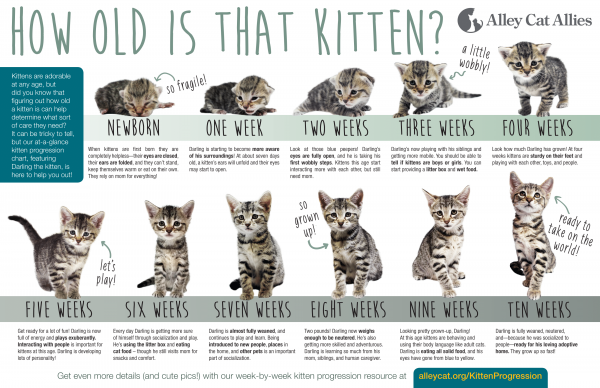
The neonatal period lasts from birth to two weeks old. Kittens are blind and deaf during this time. They rely completely on their mother for warmth and food. The mother cat cleans them and keeps them safe. Kittens mostly sleep and nurse. Their tiny bodies grow rapidly in this stage.
Weaning Phase
The weaning phase begins around four weeks old. Kittens start eating solid food but still nurse. The mother introduces hunting skills by bringing small prey. Social play with siblings increases. This phase helps kittens learn to eat and interact. It prepares them for life outside the nest.
Independence Milestones
Kittens reach key independence milestones between eight to twelve weeks. They become more confident and explore farther from the mother. Hunting skills improve with practice. Social bonds with siblings may weaken. The mother may start leaving them alone for longer. Around three months, kittens often leave the family group.
Duration Of Family Bonds
Feral cat families form strong bonds that change over time. The length of these bonds depends on many factors. Understanding how long these families stay together helps us learn about their behavior. The bond’s duration varies between mothers, kittens, and siblings. The environment also plays a key role. Let’s explore each part of these family connections.
Mother-kitten Relationship
The mother cares for her kittens for several weeks. She feeds and protects them from dangers. This close bond lasts until kittens can hunt and survive alone. Usually, kittens stay with their mother for about 8 to 12 weeks. After that, the mother slowly lets them become independent. The bond weakens as kittens grow stronger.
Sibling Interactions
Siblings stay together during early life. They play and learn from each other. These interactions help build social skills. Siblings often stick together even after leaving their mother. Their bond can last for months or longer. Sometimes, they form small groups to find food and shelter.
Influence Of Environment
Environment affects how long families stay united. In safe areas, cats may stay together longer. Food availability and shelter also matter. Harsh conditions can force families to split sooner. Predators and human activity cause stress and separation. Families adapt to survive, changing their bonds quickly.

Credit: www.reddit.com
Factors Affecting Family Separation
Feral cat families do not always stay together for long periods. Many factors cause them to separate. These factors affect how long the mother stays with her kittens and how the family moves as a group.
Understanding these causes helps to learn about their behavior. It also shows how the environment and outside forces change their lives.
Food Availability
Food plays a big role in keeping feral cat families together. If food is easy to find, the mother and kittens stay close. They have less need to roam far.
When food is scarce, cats may split up to find new places to eat. The mother might leave some kittens behind to search for better food sources. This causes the family to break apart sooner.
Predation And Threats
Predators and dangers force feral cats to separate. If a threat appears, the mother moves her kittens to a safer spot. Sometimes the family must scatter to avoid harm.
Natural enemies or harsh weather also cause stress. These risks push cats to change their group size or location. Safety becomes the top priority, not staying together.
Human Intervention
Humans impact feral cat families in many ways. People may trap or relocate cats, breaking up the family. Noise, construction, and pets can scare cats away.
Feeding stations help some families stay together longer. But often, human actions cause disruption. This interference changes how long feral cat families remain united.
Surprising Behaviors In Feral Families
Feral cat families show many surprising behaviors that many people do not expect. These cats live outside without human care, yet they form strong social groups. Their ways of caring for each other can be very touching and complex. Understanding these behaviors helps us see how smart and caring feral cats can be.
Adoption Of Orphaned Kittens
Feral cats sometimes adopt kittens that are not their own. When a mother cat loses her babies or finds orphaned kittens, she may take them in. This behavior helps the young survive in tough conditions. The adoptive mother feeds and protects these kittens like her own. This shows a deep sense of community among feral cats.
Shared Parenting Duties
In many feral cat groups, parenting duties are shared. Female cats often help each other care for their litters. They may groom, feed, and watch over the kittens together. This teamwork increases the chances of kitten survival. It also creates a close bond between the mothers.
Long-term Sibling Bonds
Siblings in feral families stay close even after growing up. These cats often live and hunt together for months or years. Their strong bonds help them protect each other from dangers. Long-term sibling relationships are common in feral cat communities. They provide support and stability in a wild environment.
Credit: www.catster.com
Implications For Feral Cat Management
Understanding how long feral cat families stay together helps manage their populations. It guides efforts to keep colonies healthy and balanced. Managing feral cats requires careful planning and respect for their natural behaviors.
Trap-neuter-return Impact
Trap-Neuter-Return (TNR) programs reduce feral cat numbers humanely. Neutering stops cats from having more kittens. This lowers the colony size over time. Cats stay in their group after TNR, keeping social bonds stable.
TNR prevents the stress of moving cats to new places. It helps control the population without harming the cats. Stable colonies mean fewer fights and less spread of disease.
Supporting Colony Stability
Feral cats depend on their family group for safety and food. Keeping families together supports their natural social structure. Disrupting groups can cause stress and aggression among cats.
Stable colonies are easier to monitor and care for. Feeding stations and shelters help maintain colony health. Caretakers can spot health issues early and act quickly.
Community Involvement
Local people play a big role in managing feral cats. They can report new colonies and support TNR efforts. Educating the community reduces fear and misunderstandings about feral cats.
Volunteers help feed cats and watch for problems. Community support leads to better treatment and fewer conflicts. Everyone benefits from a well-managed feral cat population.
Frequently Asked Questions
How Long Do Feral Cat Families Usually Stay Together?
Feral cat families stay together until kittens grow and leave, usually around 6 to 12 months.
Why Do Feral Cats Form Family Groups?
Feral cats form families for safety, warmth, and better chances to find food.
Do Male Feral Cats Stay With The Family?
Male feral cats often leave the family early to find their own territory.
How Do Feral Cat Families Change Over Time?
Feral cat families change as kittens grow, mate, and some cats move away.
Can Feral Cat Families Reunite After Separating?
Feral cats rarely reunite after separating; they usually stay with their new groups.
What Affects The Length Of Feral Cat Family Bonds?
Food availability, shelter, and safety influence how long feral cat families stay together.
Conclusion
Feral cat families stay together mainly until kittens grow up. Mothers care for their young until they can survive alone. After that, cats often split to find their own space. Some cats may form loose groups for safety or food.
These groups change based on needs and environment. Understanding this helps us respect their natural behavior. Each feral cat family has its own story. Observing them teaches us about wild cat life. Their bonds are strong but not always permanent.
This knowledge supports better care and management of feral cats.
As an Amazon Associate, I earn from qualifying purchases.