If your cat has just been neutered, you’re probably wondering how long it will take for him to heal. You want to make sure your furry friend feels comfortable and safe as he recovers.
Knowing what to expect can help you care for your cat better and avoid any surprises along the way. You’ll discover the typical healing timeline and what signs to watch for during recovery. By the end, you’ll feel confident in helping your cat bounce back quickly and happily.
Keep reading to learn everything you need to know about your cat’s neuter healing process.

Credit: greatergood.org
Typical Healing Timeline
The healing process after a cat neuter surgery follows a clear timeline. Knowing what to expect helps pet owners care for their cats better. Cats usually recover quickly, but monitoring them is important. The healing happens in stages, starting right after surgery.
First Few Days After Surgery
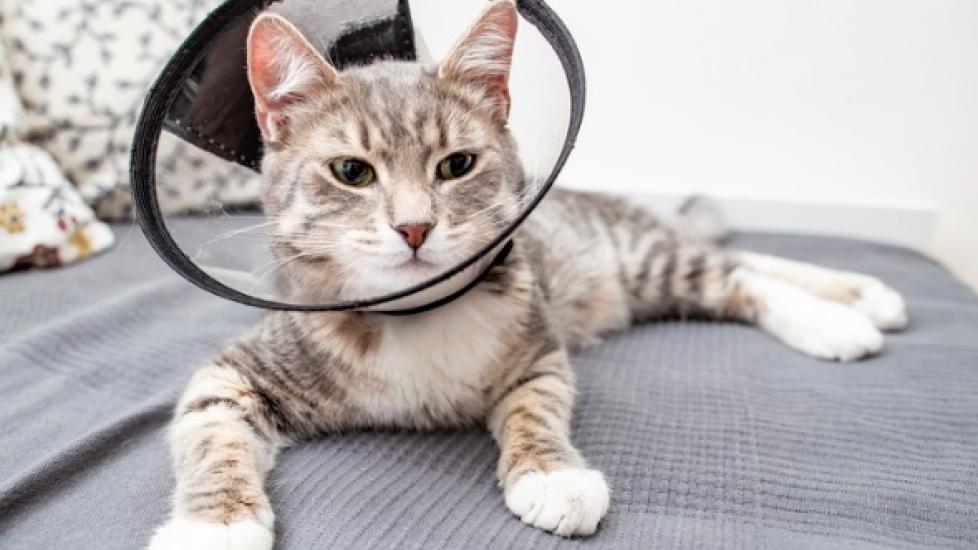
The first few days are the most sensitive. Cats often feel tired and may move less. Swelling and mild redness near the incision are normal. Keep the cat calm and prevent licking or biting the area. Using an e-collar can help protect the wound. Watch for signs of pain or unusual discharge.
One To Two Weeks Post-op
During this period, the incision begins to heal well. Swelling should reduce, and the redness fades. Cats become more active but still need gentle care. Avoid letting your cat jump or run too much. Check the wound daily for any signs of infection. Most cats tolerate the healing process without problems.
When Full Recovery Occurs
Full recovery usually happens within two weeks. The incision is fully closed, and normal activity resumes. The cat’s behavior returns to usual, with no pain or discomfort. Regular vet check-ups ensure proper healing. At this point, your cat is ready to enjoy life neutered and healthy.
Factors Affecting Recovery
Several factors affect how fast a cat heals after neutering. Understanding these helps pet owners care better. Healing time varies from cat to cat. Some recover quickly, others take longer. Let’s explore key factors that influence recovery.
Age And Health Of The Cat
Young cats often heal faster. Their bodies repair wounds more quickly. Older cats may need more time. Health issues can slow healing. Cats with infections or diseases face delays. Strong immune systems support quicker recovery.
Surgical Technique Used
Different vets use various techniques. Some methods cause less tissue damage. Less trauma means faster healing. Minimally invasive surgeries reduce pain and swelling. The skill of the surgeon also matters. Better technique leads to fewer complications.
Post-surgery Care Quality
Good care after surgery speeds healing. Keeping the wound clean is crucial. Avoiding licking or scratching helps too. Proper nutrition supports tissue repair. Regular vet check-ups catch problems early. A calm environment reduces stress and aids recovery.
Signs Of Proper Healing
Knowing the signs of proper healing after a cat neuter helps you care for your pet better. Healing is a step-by-step process that takes time. Watching for key changes ensures your cat is recovering well. It also helps you spot problems early. Below are the main signs to watch for.
Wound Appearance And Changes
The wound should look clean and dry. Swelling or redness must go down each day. A small scab may form and fall off naturally. No pus or bad smell should come from the area. The skin around the cut must not be warm or painful. These signs show the wound is healing properly.
Behavioral Indicators
Your cat will start acting more normal each day. It may groom itself gently around the wound. The cat should eat and drink well. If your cat avoids the area or seems very tired, it might need help. Calm and relaxed behavior often means healing is going well.
Activity Levels
Activity should slowly increase over time. At first, rest is very important. After a few days, the cat may want to play lightly. Running and jumping should wait until the vet says it is safe. Balanced activity shows good recovery and strong healing.

Credit: www.vempraexito.com
Potential Complications
Neutering is a common surgery for cats, but it can have some risks. Knowing about possible problems helps you care for your pet better. Watch your cat closely after surgery to catch any issues early.
Infections And Symptoms
Infections can happen if bacteria enter the surgery site. Signs include redness, warmth, or pus around the wound. Your cat might lick or scratch the area more than usual. A bad smell or fever can also mean infection. Clean the wound gently and keep your cat from biting it.
Swelling And Bleeding Issues
Some swelling is normal but large or hard swelling is a concern. Bleeding should stop quickly after surgery. If blood soaks through the bandage or keeps coming, it needs attention. Swelling or bleeding can cause pain and slow healing. Use a cone collar to stop your cat from biting the area.
When To Contact A Vet
Call a vet if you see any strong redness or pus. Sudden swelling or heavy bleeding needs quick care. If your cat stops eating or seems very tired, get help fast. Difficulty walking or strange behavior after surgery also needs a vet check. Early treatment prevents bigger problems and helps healing.
Tips For Supporting Recovery
Supporting your cat’s recovery after neutering is very important. Proper care helps avoid infections and speeds healing. It also keeps your cat calm and comfortable during this time. Follow these simple tips to help your cat heal well and stay happy.
Creating A Comfortable Space
Set up a quiet and warm area for your cat. Use soft bedding to keep them cozy. Avoid places with loud noises or many people. Keep the space clean and easy to reach. This helps your cat rest without stress or interruptions.
Managing Pain And Discomfort
Watch for signs of pain like hiding or licking the surgery site. Use vet-recommended pain medicine exactly as prescribed. Never give human medicine to your cat. Gentle petting can also calm them. Check the wound daily for swelling or redness.
Preventing Excessive Activity
Limit your cat’s jumping and running for at least two weeks. Keep them indoors to avoid injury or infection. Use toys to keep them busy but calm. If needed, use a crate or small room to restrict movement. This prevents stress on the healing area.
Credit: www.petmd.com
Diet And Hydration Post-neuter
Diet and hydration play a key role in a cat’s healing after neutering. Proper food and water help the body recover faster. They also keep energy levels stable and support the immune system. Paying attention to what and how your cat eats can make a big difference during healing.
Recommended Foods
Choose soft, easy-to-digest foods after surgery. Wet cat food is a great option. It is gentle on the stomach and provides moisture. Avoid dry kibble for the first few days. High-protein foods help tissue repair and boost healing. Avoid treats or rich foods that may upset the stomach.
Ensuring Proper Hydration
Water is essential for healing and overall health. Fresh water should be available at all times. Cats often drink less after surgery. Try placing water bowls in quiet, easy-to-reach spots. Some cats prefer running water from a pet fountain. Watch for signs of dehydration like dry gums or lethargy.
Feeding Schedule Adjustments
Smaller, more frequent meals help maintain energy. Feeding 3 to 4 times a day is ideal. This prevents overeating and reduces nausea risk. Follow your vet’s advice on portion sizes. Gradually return to the normal feeding schedule after a few days. Consistency helps your cat feel secure and recover well.
Follow-up Care And Vet Visits
After your cat’s neuter surgery, follow-up care and vet visits are very important. These steps help ensure your cat heals well and stays healthy. Paying attention to these visits can catch any problems early. Your cat needs gentle care during the healing process. Knowing what to expect can ease your worries and help your cat recover faster.
Scheduling Checkups
Your vet will set a date for a checkup after surgery. Usually, this happens about 7 to 10 days later. This visit lets the vet see how the incision is healing. Sometimes, more visits might be needed if there are concerns. Mark the date clearly and plan to attend it without delay. Regular checkups protect your cat’s health after neutering.
What To Expect During Follow-ups
During the follow-up, the vet checks the surgery site for swelling or redness. The vet also looks for signs of infection or discomfort. Your cat may be weighed and asked about eating or activity levels. The vet may give advice on wound care or medicine. Follow-up visits are quick but very important for healing.
Removing Stitches Or Staples
Some cats have stitches or staples after surgery. These usually stay in for about 10 to 14 days. The vet will remove them during a follow-up visit if needed. Removal is simple and does not hurt your cat. Sometimes, vets use dissolvable stitches that disappear on their own. Knowing this helps you prepare for the post-surgery phase.
Frequently Asked Questions
How Long Does A Cat Neuter Surgery Usually Take?
Cat neuter surgery typically takes about 10 to 20 minutes, depending on the cat’s size and health.
How Many Days Does It Take For A Cat To Heal After Neutering?
Most cats heal within 7 to 10 days after neutering with proper care and rest.
What Signs Show A Cat Is Healing Well After Neutering?
A healing cat will be active, eat normally, and have no swelling or redness near the surgery site.
When Can A Cat Resume Normal Activities After Neutering?
Cats can usually start normal activities 7 to 10 days after surgery, avoiding rough play.
How Can I Help My Cat Heal Faster After Neutering?
Keep your cat calm, limit movement, and prevent licking or scratching the surgery area.
What Complications Should I Watch For After My Cat’s Neuter Surgery?
Watch for swelling, bleeding, pus, or your cat being very tired or not eating, and call a vet.
Conclusion
Healing after a cat neuter usually takes about 10 to 14 days. During this time, keep your cat calm and comfortable. Watch for any signs of infection or swelling around the surgery site. Giving proper care helps your cat recover faster and stay healthy.
Remember, a quick and smooth healing process means your pet feels better soon. Always follow your vet’s advice to ensure the best care. Patience and gentle care make all the difference in your cat’s recovery journey.
As an Amazon Associate, I earn from qualifying purchases.