If your cat has been diagnosed with diabetes, you’re probably filled with questions and worries. One of the biggest concerns is likely, “How long will my cat live with this condition?” Understanding what to expect can help you prepare and give your furry friend the best care possible.
You’ll discover important facts about feline diabetes, what affects your cat’s lifespan, and practical tips to help your pet live a happy, healthy life. Keep reading to learn how you can make a real difference in your cat’s journey with diabetes.
Diabetes In Cats
Diabetes in cats is a common health problem. It affects how their body controls blood sugar. Cats with diabetes need care to stay healthy. Understanding this condition helps cat owners give better support.
This section explains what causes diabetes in cats. It also describes the common signs to watch for.
Causes And Types
Diabetes in cats happens when the body cannot use insulin well. Insulin is important to control sugar in the blood. There are two main types of diabetes in cats. Type 1 means the body makes little or no insulin. Type 2 is when the body does not respond well to insulin. Most cats have Type 2 diabetes.
Obesity is a big cause of diabetes in cats. Older cats and male cats get it more often. Some medicines and other diseases can also cause diabetes.
Common Symptoms
Watch for signs like drinking a lot of water. Cats may also pee more than usual. They might lose weight even if they eat normally. Some cats seem very tired or weak. Increased appetite is another common symptom. These signs show the cat’s body is not controlling sugar well.
Early detection helps manage diabetes better. Contact a vet if you notice these symptoms in your cat.
Credit: www.vet.cornell.edu
Factors Affecting Lifespan
Several factors influence how long a cat with diabetes can live. Understanding these factors helps pet owners provide better care. Each cat’s situation is unique. Lifespan can vary widely based on health and treatment.
Age And Overall Health
Older cats often face more health challenges. Younger cats tend to recover better from diabetes. Other illnesses can shorten a diabetic cat’s life. A strong immune system supports longer survival. Regular vet check-ups help catch health issues early.
Severity Of Diabetes
Diabetes severity impacts lifespan significantly. Cats with mild diabetes often live longer. Severe diabetes can cause serious complications. High blood sugar damages organs over time. Early diagnosis and control improve outcomes.
Treatment And Management
Proper treatment extends a diabetic cat’s life. Insulin therapy is a common treatment method. Diet changes help control blood sugar levels. Regular monitoring keeps diabetes in check. Consistent care reduces risks of complications.
Treatment Options
Managing diabetes in cats requires a careful and consistent approach. Treatment helps control blood sugar and improves quality of life. Different options work together to keep your cat healthy and comfortable.
Insulin Therapy
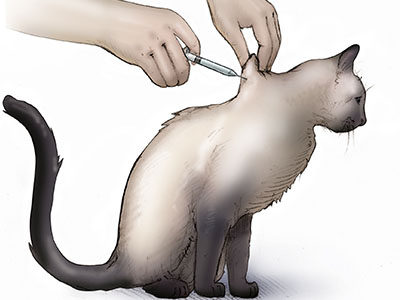
Insulin therapy is the most common treatment for diabetic cats. It involves giving your cat insulin injections daily. This helps lower blood sugar to a safe level. Your vet will show you how to do the injections safely at home. Regular insulin doses prevent serious health problems.
Dietary Changes
Diet plays a big role in managing diabetes. Feeding your cat a high-protein, low-carbohydrate diet helps control blood sugar. Special diabetic cat food is available from vets. Avoid giving treats or table scraps that raise blood sugar. Consistent meal times support better insulin function.
Regular Monitoring
Monitoring your cat’s blood sugar is vital. Regular checks help adjust insulin doses and diet. You can test at home or visit the vet frequently. Watch for signs like increased thirst or urination. Early detection of problems keeps your cat safe.

Credit: vetster.com
Complications And Risks
Diabetes in cats brings several health challenges. These complications can affect their lifespan. Understanding these risks helps owners care better for diabetic cats.
Managing diabetes well lowers the chance of serious problems. Still, some issues need constant attention to keep cats healthy.
Hypoglycemia
Hypoglycemia means low blood sugar. It happens if insulin doses are too high. Signs include weakness, shaking, and confusion. Severe cases can cause seizures or coma. Quick action is needed to raise blood sugar. Owners should learn to spot symptoms early. Proper insulin management reduces hypoglycemia risks.
Infections And Organ Damage
Diabetes makes cats more prone to infections. High blood sugar weakens the immune system. Common infections affect the skin and urinary tract. Untreated infections can worsen quickly. Long-term diabetes can harm organs. Kidneys and eyes are often affected. Organ damage reduces quality of life. Regular vet visits help detect problems early.
Improving Quality Of Life
Improving the quality of life for a cat with diabetes is essential. Managing the condition well helps your cat feel better and live longer. Small daily actions can make a big difference in their health and happiness.
Exercise And Weight Management
Regular exercise helps control blood sugar levels. It also keeps your cat’s weight in a healthy range. Overweight cats face more health problems and may have a shorter life. Play with your cat daily using toys or gentle activities. Keep their weight steady by feeding a balanced diet. Avoid giving too many treats or extra food. A healthy weight supports better diabetes control.
Routine Veterinary Care
Visit the vet often to check your cat’s health. Regular tests help monitor blood sugar and adjust medication. Early detection of problems can prevent serious complications. Your vet can guide you on insulin doses and diet plans. Keep all appointments and follow the vet’s advice closely. Routine care keeps your cat comfortable and stable.
:quality(75))
Credit: manypets.com
Realistic Lifespan Expectations
Understanding the realistic lifespan of a cat with diabetes helps pet owners prepare better. Diabetes is a serious condition, but many cats live longer with proper care. Lifespan depends on many factors like treatment, diet, and how early diabetes is found. Managing diabetes well can add years to a cat’s life. Owners should set practical expectations and focus on quality of life.
Case Studies
Some cats live just a few months after diagnosis. Others survive five years or more. One study showed cats treated with insulin and a strict diet lived over three years on average. Another report shared stories of cats thriving for seven years with careful monitoring. Case studies highlight the importance of treatment and regular vet visits. Each cat’s experience differs, but positive outcomes are possible.
Veterinarian Insights
Vets say early diagnosis improves lifespan greatly. They stress the need for daily insulin shots and blood sugar checks. Regular vet visits catch complications early. Vets recommend feeding diabetic cats low-carb diets to control blood sugar. Stress can worsen diabetes, so calm environments help. Vets advise owners to watch for signs of low blood sugar or infections. Proper care can help diabetic cats live normal, happy lives for years.
Frequently Asked Questions
How Long Can A Diabetic Cat Live On Average?
A diabetic cat can live 5 to 15 years with proper care and treatment.
What Factors Affect A Diabetic Cat’s Lifespan?
Diet, medication, regular vet visits, and early diagnosis all impact lifespan.
Can Insulin Therapy Extend A Diabetic Cat’s Life?
Yes, insulin therapy helps control blood sugar and can extend life.
How Does Diet Influence A Diabetic Cat’s Health?
A low-carb, high-protein diet helps regulate blood sugar and improve health.
What Signs Show A Diabetic Cat Needs Urgent Care?
Increased thirst, weight loss, and lethargy are signs to see a vet quickly.
Is Remission Possible For Cats With Diabetes?
Some cats can achieve remission with good care and consistent treatment.
Conclusion
Cats with diabetes can live many happy years. Care and regular vet visits matter most. Managing their diet and giving insulin helps control the disease. Watch for signs of low or high blood sugar. Staying consistent makes a big difference in their health.
Each cat is different, so results may vary. Patience and love keep your cat comfortable and safe. Your efforts can extend their life and improve their quality. Remember, early diagnosis leads to better chances for a long life. Keep learning and stay attentive to your cat’s needs.
As an Amazon Associate, I earn from qualifying purchases.