If your cat is struggling with worms, you want quick answers. You’re probably wondering, “How long does cat wormer take to work?” Understanding the timeline can help you feel more confident about your cat’s health and know when to expect relief.
You’ll discover exactly how worming treatments work, what to watch for, and when you should see results. Keep reading to make sure your furry friend gets the care they need—fast and effectively.
Credit: www.petcarerx.com
Types Of Cat Wormers
Cat wormers come in different types to treat various worm infections effectively. Each type works differently and has its own advantages. Understanding these options helps in choosing the right treatment for your cat.
Oral Wormers
Oral wormers are pills or liquids given by mouth. They work by killing worms inside the cat’s digestive system. These wormers act fast, usually within a day or two. Some cats may resist taking pills, but flavored liquids can help.
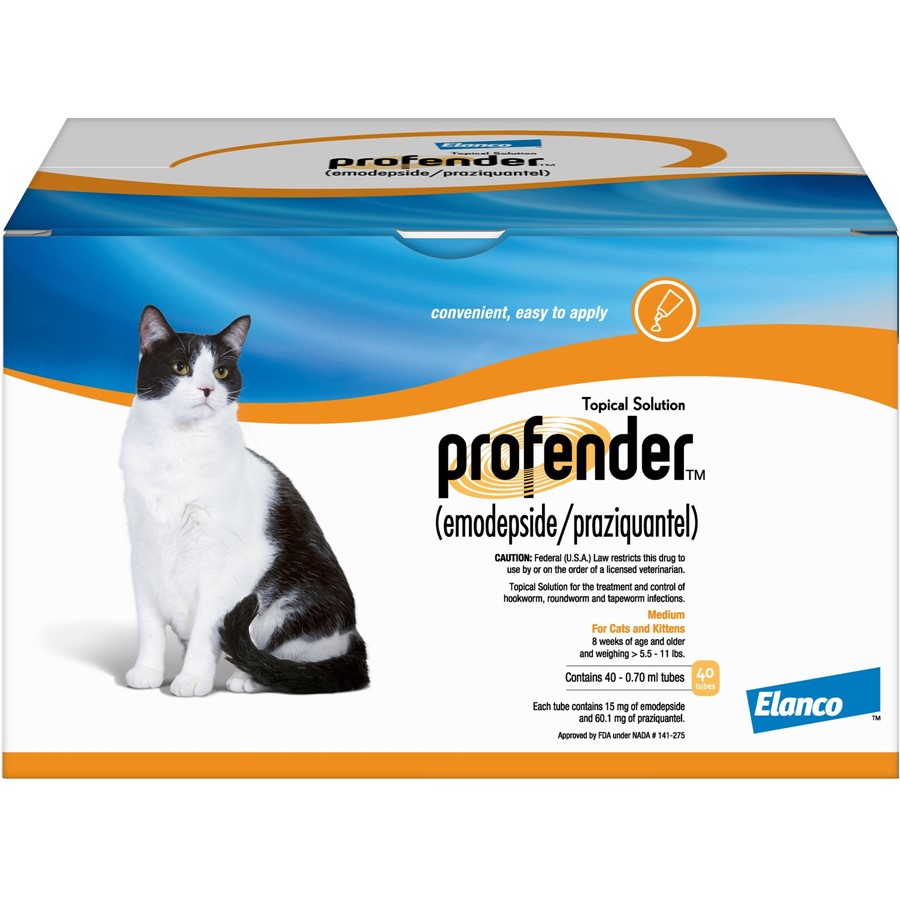
Topical Treatments
Topical treatments are applied to the cat’s skin, usually between the shoulder blades. The medicine absorbs through the skin into the bloodstream. This type is easy to use and less stressful for cats. It often takes a few days to fully work.
Injectable Options
Injectable wormers are given by a vet. The medicine goes directly into the cat’s body. This method works quickly and is very effective. It is less common but useful for severe infections or when other methods fail.
How Cat Wormers Work
Cat wormers are medicines designed to remove parasites from a cat’s body. These parasites live inside the cat’s intestines or other organs. Wormers work by killing or paralyzing these unwanted guests. This helps the cat feel better and stay healthy.
Targeting Different Parasites
Cat wormers target various types of parasites. Some kill roundworms, which are common in cats. Others work against tapeworms that attach to the intestines. Some wormers fight hookworms or whipworms. A single wormer may target one or many of these parasites. Choosing the right wormer depends on the parasite type found in the cat.
Mechanism Of Action
Wormers work by disrupting the parasite’s body functions. Some stop the parasite from absorbing nutrients. Others affect the parasite’s nervous system, causing paralysis. Paralysis prevents the parasite from holding on inside the cat. Then, the parasite dies and passes out of the cat’s body through stool. The process clears the infection and stops it from spreading.
Duration Of Effectiveness
Most cat wormers start working within hours. Some kill parasites quickly, often in one day. Others take several days to fully clear an infection. The duration depends on the wormer type and the parasite. Some wormers have lasting effects to prevent new infections. Repeating the treatment may be necessary for full removal. Always follow the instructions on how to use the wormer.
Timeframe For Relief
Knowing how fast a cat wormer works helps pet owners manage their cat’s health. The relief timeframe depends on many things. Some cats show quick signs of improvement. Others take longer to clear parasites fully. Understanding this timeframe helps set the right expectations.
Initial Response Time
Most cat wormers start working within hours. You might see less vomiting or scooting in one day. Some worms die quickly after the medicine. Your cat may pass dead worms in stool soon. This early response shows the treatment has begun.
Complete Parasite Clearance
Full removal of worms can take days to weeks. Some worm types need longer treatment. The medicine kills adult worms first. Eggs or larvae may take extra time to clear. Follow the vet’s instructions for repeat doses. This ensures all parasites are gone.
Factors Influencing Speed
Age and health of your cat affect results. Younger or sick cats may heal slower. Type and number of worms matter too. Heavier infections take more time to clear. The wormer type and dosage also change how fast it works. Always use the correct dose for best results.

Credit: www.entirelypets.com
Signs Of Improvement
After giving your cat wormer, you want to see signs of improvement. These signs show the medicine is working. They help you know your cat is getting better. Watch your cat closely for changes in behavior and health.
Noticing these signs early can ease your worries. It also helps you decide if the treatment is effective or if you need to consult a vet again.
Behavioral Changes
Your cat may act more playful and alert. Worm infections often make cats tired and weak. After treatment, expect your cat to regain energy.
Improved appetite is another good sign. Cats with worms may eat less. If your cat starts eating normally, the wormer is likely working.
Physical Symptom Relief
Look for fewer signs of itching or scooting. Worms can cause irritation around the tail area. Reduced itching shows the worms are dying off.
Check your cat’s stool for fewer worms or eggs. This physical change confirms the wormer is effective. Also, your cat’s coat may start to look shinier and healthier.
When To Expect Results
Most cat wormers begin to work within 24 to 48 hours. Some signs may appear even sooner. Full relief might take a few days depending on the worm type.
Be patient but keep observing your cat daily. If no improvement shows after a week, consult your veterinarian.
Common Myths About Cat Wormers
Many cat owners have questions about how cat wormers work. Myths and wrong ideas often cause confusion. Clearing these myths helps you understand treatment better. This section addresses common false beliefs about cat wormers.
Immediate Cure Expectations
Some believe cat wormers work instantly. This is not true. Wormers take time to kill parasites. Some worms die quickly, others need days. Patience is important during treatment. Watch your cat’s health improve gradually.
Wormer Side Effects
People worry about side effects from wormers. Most cat wormers are safe when used properly. Mild side effects like vomiting or diarrhea may happen. These usually pass in a day or two. Serious reactions are rare but need vet care.
Frequency Of Treatment
There is a myth that one dose cures all worms forever. Wormers do not prevent future infections. Cats may need treatment every few months. Regular vet check-ups help decide the right schedule. Keeping your cat worm-free is a continuous job.

Credit: www.bestlife4pets.com
Tips For Faster Recovery
Helping your cat recover quickly after giving wormer is important. Simple steps can make a big difference. These tips support your cat’s healing and help the medicine work better.
Focus on correct medicine use, good diet, and proper care. These actions improve your cat’s health and speed up recovery.
Proper Dosage And Administration
Always follow the vet’s instructions for wormer dosage. Giving too little may not kill all worms. Too much can harm your cat.
Use the right method, like mixing with food or direct oral dosing. Make sure your cat swallows the full dose. This helps the medicine start working fast.
Diet And Hydration
Feed your cat a healthy, balanced diet after treatment. Nutritious food supports the immune system. Avoid giving treats or unusual foods that upset the stomach.
Keep fresh water available at all times. Proper hydration helps flush out toxins and supports healing. Watch your cat to ensure it drinks enough water daily.
Follow-up Care
Check your cat for signs of improvement or side effects. If vomiting, diarrhea, or weakness occurs, contact the vet. Follow-up visits help ensure worms are fully cleared.
Keep your cat’s living area clean. Regularly change bedding and clean litter boxes. This reduces the chance of re-infection and keeps your cat healthy.
When To Contact A Vet
Knowing when to contact a vet is important after giving cat wormer. Most cats respond well to treatment. Some may show signs that need expert care. Acting fast can prevent serious health problems. Watch your cat closely for any unusual signs. Your vet can guide you on the next steps.
Persistent Symptoms
Worm symptoms should fade within days of treatment. If your cat still shows signs after a week, contact the vet. Symptoms like vomiting, diarrhea, or weight loss need attention. Persistent issues could mean the wormer did not work well. Your vet may suggest a different treatment or test.
Adverse Reactions
Some cats may react badly to worm medicine. Watch for signs like swelling, itching, or breathing trouble. Sudden weakness or seizures need urgent vet care. These reactions are rare but serious. Stopping the medicine and seeing the vet is critical.
Recurring Infections
Worm infections can come back if not fully cleared. If your cat gets worms again soon after treatment, talk to the vet. Recurring infections may need longer or stronger medicine. Your vet can check your cat’s environment and health for causes.
Frequently Asked Questions
How Long Does Cat Wormer Take To Work?
Cat wormer usually starts working within 24 to 48 hours after giving it.
Can Worms Die Immediately After Treatment?
Worms do not die immediately but usually clear out within a few days.
When Should I See Results From Cat Worming?
You should see fewer worms in your cat’s stool after 2 to 3 days.
Does Cat Wormer Work On All Types Of Worms?
Most wormers target common worms, but some types may need special treatment.
How Often Should I Give Wormer To My Cat?
Most cats need worming every 3 to 6 months for full protection.
Can Wormers Cause Side Effects In Cats?
Side effects are rare but may include mild vomiting or diarrhea in some cats.
Conclusion
Cat wormers usually start working within a few hours to a day. Effects depend on the type of worm and medicine used. Always follow the instructions on the package carefully. Watch your cat for any side effects or changes. Regular treatment helps keep your cat healthy and worm-free.
Consult a vet if you see no improvement after a few days. Quick action protects your cat and your home from worms. Keep your cat’s health a top priority. Simple steps make a big difference.
As an Amazon Associate, I earn from qualifying purchases.