Have you ever wondered how long it takes for a cat to decompose? It’s a question that might seem unusual, but understanding this process can be important for many reasons—whether you’re curious about nature, concerned about your pet, or involved in wildlife care.
Knowing what happens after a cat passes away can help you prepare and find peace during a difficult time. You’ll discover the stages of decomposition, the factors that affect how quickly it happens, and what you can expect. Keep reading to learn more about this natural process and how it impacts your furry friend.
Credit: en.wikipedia.org
Cat Decomposition Timeline
The cat decomposition timeline shows the stages a cat’s body goes through after death. Understanding these stages helps in many fields like veterinary science and forensic studies. Each stage has unique changes that happen to the body over time. The speed of decomposition depends on factors like temperature, humidity, and location.
Initial Decay Stage
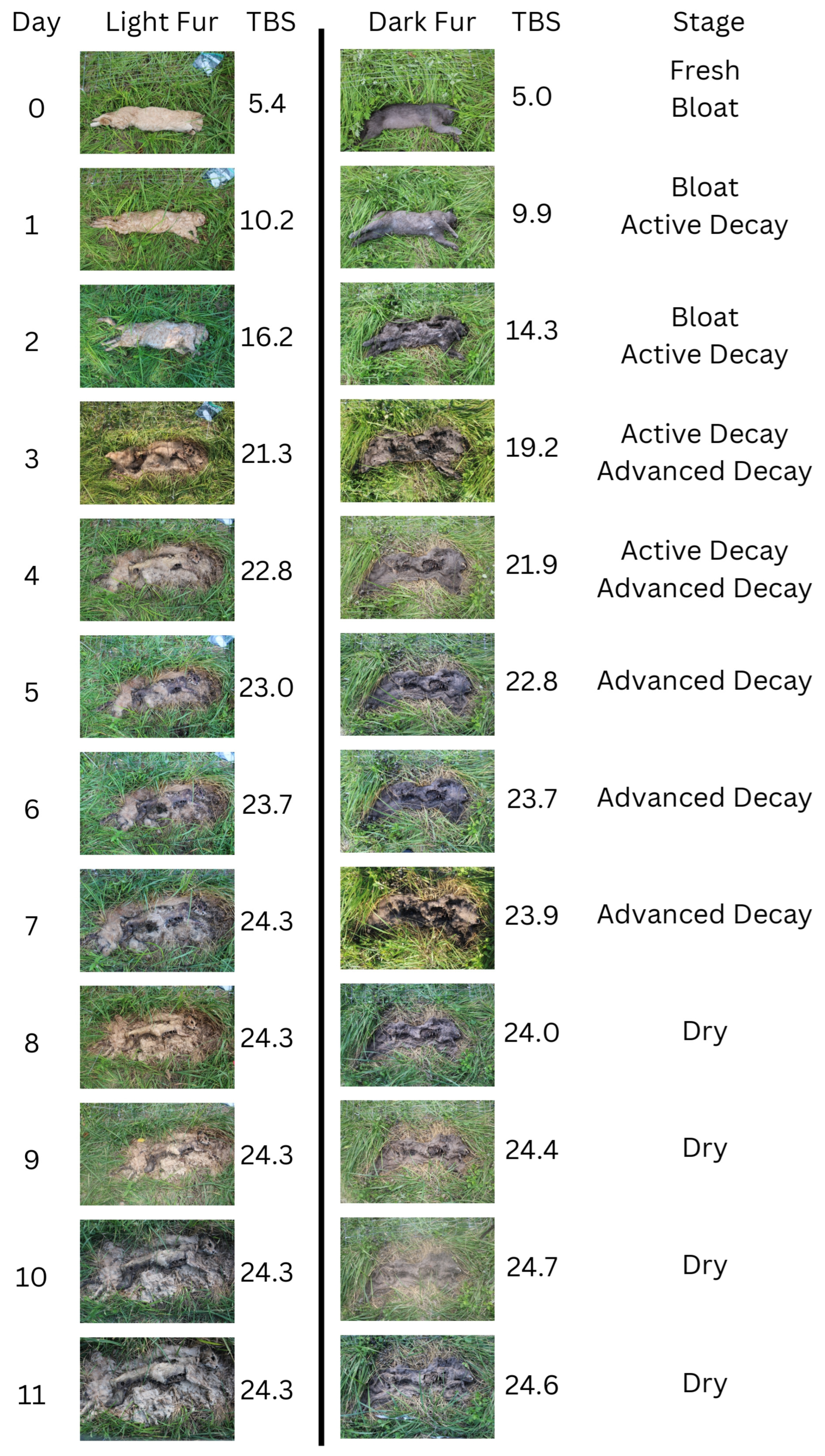
This stage starts right after death. The body looks normal but begins to cool down. Inside, cells start breaking down. Bacteria in the gut begin to multiply. This causes the first signs of decay. This stage lasts from a few hours up to two days.
Active Decay Phase
During active decay, the body swells and smells bad. Gases build up from bacteria breaking down tissues. Fluids leak from the body. Insects, especially flies, arrive to lay eggs. These eggs hatch into larvae that eat soft tissues. This phase usually lasts 3 to 10 days.
Advanced Decay Process
The body starts to dry out and shrink. Most soft tissues are gone by now. The smell becomes less strong. Insects leave or reduce activity. This phase can last from 10 days to several weeks. Environmental conditions affect the speed of this stage.
Skeletonization Period
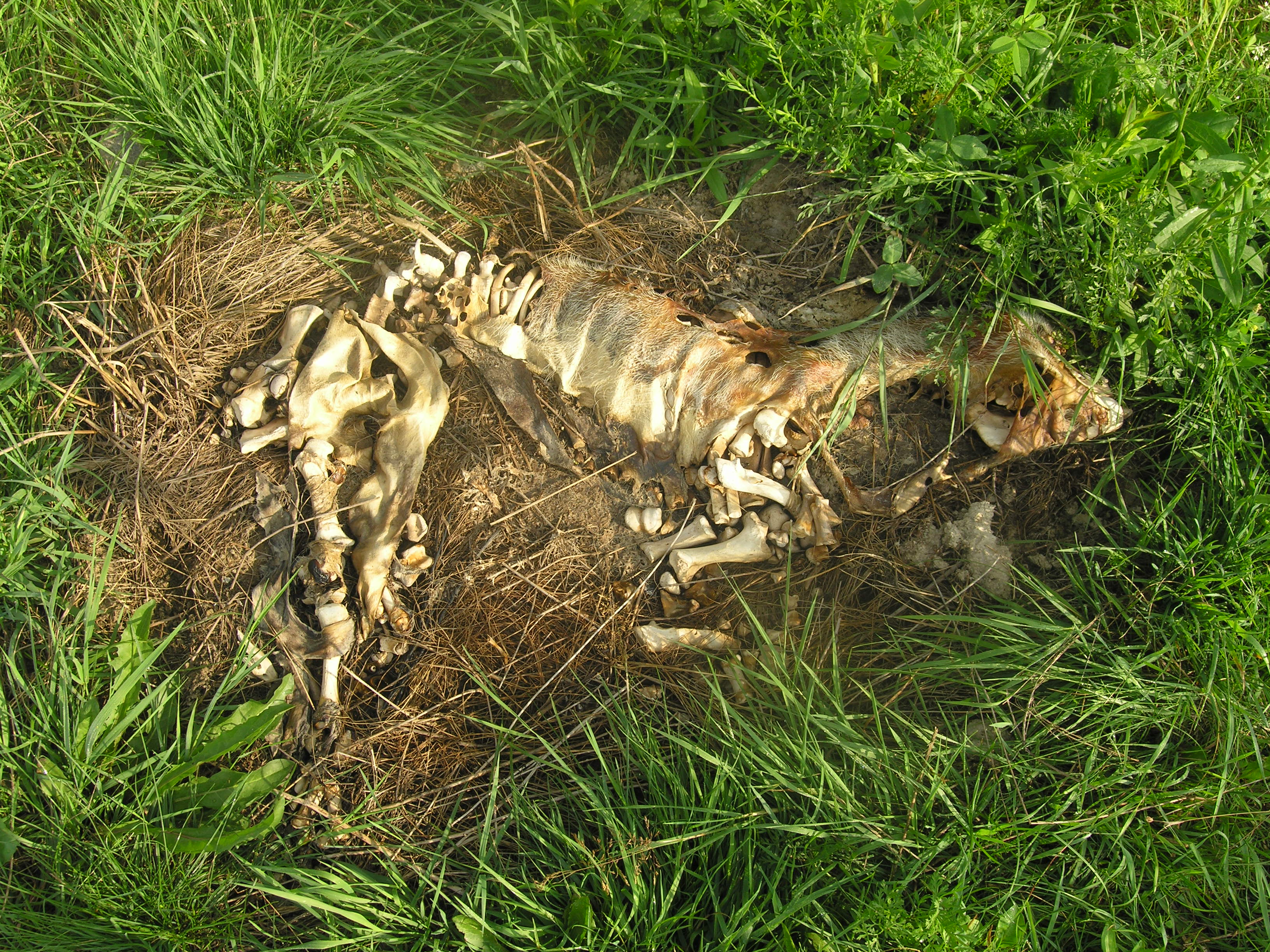
Only bones and some dried skin remain. Soft tissues disappear completely. Bones may change color and texture over time. This stage can last months or even years. The environment plays a key role in how fast skeletonization happens.

Credit: www.shutterstock.com
Factors Affecting Decomposition
The speed of a cat’s decomposition depends on many factors. These factors affect how fast the body breaks down. Understanding these helps explain why decomposition times vary. Several key elements influence this natural process.
Environmental Conditions
The place where the cat’s body rests changes the decay rate. Open spaces expose the body to air and animals. Buried bodies decompose slower due to less oxygen. Indoor locations can delay decomposition because of controlled climate.
Temperature Impact
Temperature plays a big role in decomposition speed. Warm weather speeds up bacteria and insect activity. Cold weather slows down these processes. Extreme heat can dry the body, slowing decay further.
Moisture Levels
Water presence affects how quickly a body breaks down. Wet conditions promote faster decay by helping bacteria grow. Dry conditions cause the body to mummify, slowing decomposition. Balanced moisture allows natural decay at a moderate pace.
Presence Of Scavengers
Animals and insects feed on dead bodies, speeding decomposition. Flies lay eggs that hatch into larvae, breaking down tissues. Larger scavengers can tear the body apart quickly. Without scavengers, decay relies only on microbes, which slows the process.
Decomposition In Different Settings
Decomposition of a cat varies greatly depending on the environment. Different settings affect how fast the body breaks down. Temperature, moisture, air exposure, and soil type all play roles. Understanding these factors helps explain the timeline of decomposition.
Indoor Vs Outdoor
Indoors, decomposition is slower. Limited air flow and lower temperatures reduce bacteria activity. Also, lack of insects slows down decay. Outdoors, heat and insects speed up the process. Sunlight and wind dry the body quickly. Animals may disturb the remains, speeding decomposition further.
Burial Effects
Buried cats decompose more slowly than those exposed. Soil type matters. Sandy soil drains water and allows air, speeding decay. Clay soil holds moisture and slows it down. Deeper burial means less oxygen and fewer insects. This slows the breakdown of soft tissue.
Water Immersion
Water changes decomposition speed. Cold water slows decay. Warm water speeds it up. In water, bacteria and insects differ from on land. The body may float or sink, affecting exposure. Water can wash away parts, changing how the cat decomposes.
Urban Vs Rural Areas
Urban areas have fewer insects and animals to feed on remains. Pollution and chemicals can affect decomposition too. Rural areas have more wildlife and insects. This increases the speed of decay. Soil and climate differences also impact the process.
Credit: www.mdpi.com
Biological And Chemical Changes
Decomposition of a cat involves many biological and chemical changes. These changes break down the body into simpler substances. The process starts soon after death and continues over time. Different factors like bacteria, insects, and chemicals play important roles. Each factor affects how fast and in what way the cat’s body decays.
Bacterial Activity
Bacteria are the first to act after death. They come from inside the cat’s body, mainly from the gut. These bacteria start digesting tissues and organs. This process creates gases and liquids inside the body. Bacterial activity speeds up the breakdown of soft tissues. It also causes the body to swell and change color.
Insect Involvement
Insects arrive soon after bacteria start working. Flies are usually the first to appear. They lay eggs on the body, which hatch into larvae. These larvae eat the soft tissues rapidly. Other insects like beetles come later to feed on remaining parts. Insects help clean the body by consuming decayed material.
Chemical Breakdown
Chemicals inside the body break down complex molecules. Enzymes from cells and bacteria help this process. Proteins, fats, and carbohydrates turn into simpler compounds. These compounds seep into the soil, enriching it. Chemical reactions also change the body’s color and texture.
Odor Development
Strong odors appear during decomposition. Bacteria produce gases like methane and sulfur compounds. These gases cause a foul smell. The odor signals that decay is active. It can attract insects and animals to the site. The smell fades as decomposition nears its end.
Common Misconceptions
Many people have wrong ideas about how long it takes for a cat to decompose. These myths can confuse pet owners and others. Understanding the truth helps respect the natural process.
Speed Of Decomposition
Some believe decomposition happens in just a few days. The truth is, it takes weeks or months. The environment plays a big role. Warm, moist places speed up decay. Cold or dry places slow it down.
Role Of Pets’ Size And Breed
People often think bigger cats decompose slower. Size affects the process, but not as much as other factors. Breed does not change the speed. Fat and muscle amount matter more than breed type.
Myths About Preservation
Some think cats stay preserved for a long time naturally. This is not true. Preservation needs special conditions or chemicals. Without these, the body breaks down like any other animal.
Handling Decomposition Responsibly
Handling a cat’s decomposition responsibly shows respect for the pet and the environment. It also helps prevent health risks and follows laws. Knowing how to manage this process well is important for pet owners. Understanding safe disposal, health concerns, and legal rules makes a big difference.
Safe Disposal Methods
Choosing a safe disposal method protects people and nature. Burial in a pet cemetery or backyard is common. Make sure the spot is deep enough and away from water sources. Cremation is another option, leaving no remains behind. Some services offer pet composting, turning remains into soil safely. Avoid dumping the body in public places or trash bins.
Health Considerations
Decomposing bodies can carry germs and bacteria. These may cause illness in humans and other animals. Handle the body with gloves and clean hands well after. Keep children and pets away from the remains. Use disinfectants on tools and surfaces used in handling. Proper disposal reduces the risk of spreading diseases.
Legal And Ethical Aspects
Many places have laws about pet remains disposal. Check local rules to avoid fines or problems. Some areas require burial in approved locations only. Respecting these laws shows care for the community. Ethically, treating the pet’s remains with dignity matters. Responsible handling reflects love and respect for the animal.
Frequently Asked Questions
How Long Does It Take For A Cat To Fully Decompose?
A cat usually takes about 2 to 4 weeks to fully decompose, depending on conditions.
What Factors Affect A Cat’s Decomposition Speed?
Temperature, moisture, burial depth, and presence of insects affect how fast a cat decomposes.
Can Burial Slow Down A Cat’s Decomposition?
Yes, burying a cat can slow decomposition by limiting exposure to air and insects.
Does The Season Change How Fast A Cat Decomposes?
Warmer seasons speed up decomposition, while cold weather slows the process significantly.
How Do Insects Influence Cat Decomposition?
Insects help break down the body faster by feeding on soft tissues and spreading bacteria.
Is Decomposition Different For Indoor Versus Outdoor Cats?
Outdoor cats often decompose faster due to exposure to elements and scavengers compared to indoor cats.
Conclusion
The time for a cat to decompose depends on many factors. Temperature, moisture, and burial affect the process. Usually, it takes weeks to months. Knowing this helps with understanding nature and loss. Each case can be different, so stay patient.
Respect and care matter during this time. Nature works slowly but surely. Remember, every life leaves a mark.
As an Amazon Associate, I earn from qualifying purchases.