If your cat has recently been neutered, you’re probably wondering how long it will take for him to bounce back. You want to make sure your furry friend feels comfortable and heals quickly.
Understanding the recovery timeline helps you provide the best care and avoid any surprises along the way. You’ll discover exactly what to expect after neutering and how you can support your cat during this important healing time. Keep reading to learn the simple steps that will help your cat get back to his playful self sooner than you think.
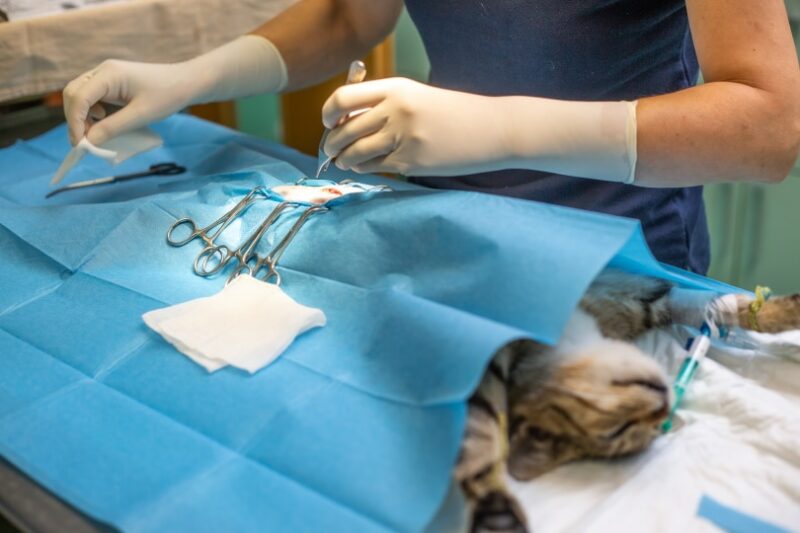
Credit: kdfoundation.org
Recovery Timeline After Neuter
Knowing the recovery timeline after a cat’s neuter surgery helps pet owners provide the best care. Recovery time varies but generally follows a clear pattern. Understanding each stage makes it easier to watch for normal healing signs and spot any problems early.
Immediate Post-surgery Period
Right after surgery, your cat may feel sleepy or groggy. This happens because of anesthesia. Keep your cat in a quiet, warm place to rest. Avoid feeding for a few hours unless the vet says otherwise. Monitor your cat closely for any unusual behavior or bleeding.
First Week Healing
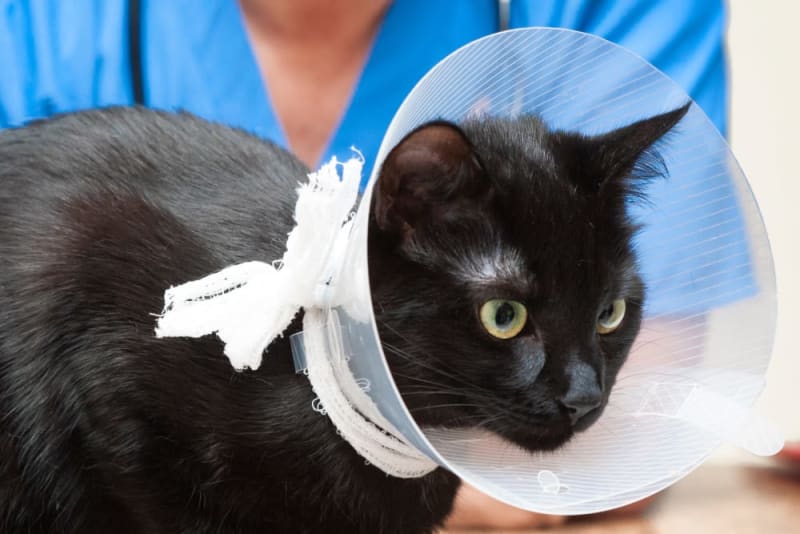
The first week is critical for wound healing. Swelling and mild redness around the incision are normal. Prevent your cat from licking or biting the area by using an Elizabethan collar. Limit active play to avoid strain on the stitches. Check the incision daily for signs of infection.
Full Recovery Expectations
Most cats fully recover within 10 to 14 days after neuter surgery. By then, the incision should be closed and the swelling gone. Your cat will return to normal activity and appetite. Continue to watch for any discomfort or swelling beyond this period. Contact your vet if you see problems.
Signs Of Healthy Healing
After neutering, your cat needs time to heal properly. Watch for signs that show healthy healing. These signs help you know your cat is recovering well. They include changes in behavior, how the incision looks, and activity levels. Understanding these signs can ease your worries and help your cat stay comfortable.
Normal Behavior Changes
Your cat may seem quieter than usual. Resting more is common and good for healing. Mild soreness or sensitivity around the surgery site is normal. Your cat might lick the area lightly but should not obsess over it. Appetite might decrease for a day or two but should return quickly.
Incision Appearance
The incision should look clean and dry. A small amount of redness is normal at first. Swelling should reduce within a few days. Watch for signs of infection like pus, strong smell, or increased redness. The stitches or glue will dissolve or be removed in 7 to 10 days.
Activity Levels
Expect your cat to be less active for a few days. Encourage gentle movement to avoid stiffness. Avoid jumping or running as it can stress the incision. Gradual return to normal play is a good sign. Over time, energy levels will return to normal.
Common Post-operative Issues
After a cat is neutered, some common post-operative issues may appear. Knowing these signs helps you care better for your pet. Most cats heal well, but watch for problems. Early detection can prevent bigger issues and keep your cat comfortable.
Swelling And Redness
Swelling and redness around the surgery area are normal. They usually appear for a few days after surgery. The skin may feel warm and look slightly puffy. Mild swelling should go down within a week. If swelling grows or the area becomes very red, contact a vet.
Discharge Or Bleeding
A little clear or light pink discharge can happen. This means the wound is healing. Bleeding should be very minimal or none at all. If you see heavy bleeding or pus, act quickly. These signs may show an infection or wound problem.
Lethargy Or Loss Of Appetite
Some tiredness and low appetite are common after surgery. Your cat may sleep more for a day or two. Eating less is normal but should improve soon. If your cat stays very tired or refuses food for over two days, check with a vet. This could mean pain or infection.
Credit: www.douglasvillevh.com
Care Tips To Speed Recovery
Helping your cat recover quickly after neutering is very important. Good care reduces pain and prevents problems. Following simple steps can make healing faster and smoother. Your cat will feel better soon with the right care.
Limiting Physical Activity
Keep your cat calm and quiet after surgery. Avoid running, jumping, or playing for at least a week. Use a small room or a crate to limit movement. Too much activity can open the wound or cause pain. Rest helps the body heal faster and safer.
Proper Wound Care
Check the surgery site every day. Look for redness, swelling, or discharge. Clean the area gently if needed, using a vet-approved solution. Do not let your cat lick or scratch the wound. Use an Elizabethan collar if necessary. Good wound care lowers the risk of infection.
Pain Management
Watch for signs of pain like hiding or not eating. Give pain medicine exactly as the vet says. Do not use human painkillers. Proper pain control helps your cat rest and heal well. Contact the vet if pain seems worse or lasts too long.
When To Contact The Vet
Knowing when to contact the vet after your cat’s neuter surgery is very important. Most cats recover quickly, but some signs need prompt attention. Watch your cat carefully during the first two weeks after surgery.
Early detection of problems can prevent serious complications. Trust your instincts if something seems off. Your vet can guide you on the next steps.
Signs Of Infection
Check the surgery site for redness or swelling. Pus or bad smell is a clear sign of infection. Your cat may lick or bite the area more than usual. Fever and loss of appetite can also mean infection. Contact your vet immediately if you see these signs.
Unusual Behavior
Watch for changes in your cat’s mood or activity. Excessive hiding, weakness, or aggression can indicate pain or illness. If your cat refuses to eat or drink, call the vet. Sudden lethargy or difficulty moving also needs attention. These behaviors may mean your cat is not healing well.
Complications To Watch For
Look for bleeding that does not stop or gets worse. A lump or hard swelling near the incision may be a complication. Breathing problems or vomiting require urgent vet care. Sometimes cats develop allergic reactions to medication. Any unusual or severe symptoms should be checked by your vet without delay.

Credit: www.wikihow.com
Preventing Future Health Issues
Preventing future health issues is key for your cat’s long life after neutering. Careful steps help avoid problems and keep your cat happy. Focus on diet, vet visits, and understanding the benefits of neutering.
Diet And Weight Control
Neutered cats often need fewer calories. Feeding them the right amount helps avoid weight gain. Overweight cats face risks like diabetes and joint pain. Choose high-quality cat food with balanced nutrients. Measure meals and avoid too many treats. Keep your cat active with playtime every day.
Regular Vet Checkups
Vet visits catch health problems early. Checkups let vets monitor your cat’s recovery and overall health. Vaccinations and parasite control keep your cat safe. Ask the vet about any behavior or health changes. Early care means fewer problems later. Schedule annual visits for best results.
Spaying And Neutering Benefits
Neutering prevents unwanted litters and reduces stray cats. It lowers the risk of some cancers and infections. Neutered cats often live longer and feel calmer. The surgery stops behaviors like spraying and fighting. These benefits make neutering a wise health choice.
Frequently Asked Questions
How Long Does A Cat Take To Heal After Neutering?
Most cats heal in 10 to 14 days after neutering surgery.
When Can Cats Resume Normal Activity After Neuter Surgery?
Cats usually start normal play and activity within 7 to 10 days post-surgery.
What Signs Show A Cat Is Recovering Well After Neuter?
No swelling, redness, or discharge at the surgery site means good healing.
Can Neutered Cats Eat And Drink Immediately After Surgery?
Cats can eat and drink a few hours after waking from anesthesia.
How To Care For A Cat’s Incision After Neutering?
Keep the area clean, dry, and prevent the cat from licking it.
When Should I Contact The Vet After My Cat’s Neuter?
Call the vet if swelling, bleeding, or unusual behavior occurs after surgery.
Conclusion
Cats usually heal well within 10 to 14 days after neutering. During this time, keep your cat calm and avoid rough play. Watch the surgery site for any redness or swelling. Give any medicine the vet prescribes on time. Your cat will soon return to normal activities and feel better.
Patience and care help your pet heal fast. Remember, a smooth recovery means a happier and healthier cat.
As an Amazon Associate, I earn from qualifying purchases.