Are you wondering how long you should walk your dog every day? Finding the perfect walk time can be tricky.
Too little, and your dog might feel restless. Too much, and it could tire them out or cause discomfort. What if there was an easy way to figure out the ideal walking time tailored just for your furry friend? Keep reading, and you’ll discover a simple calculator that helps you give your dog the exercise they need without any guesswork.
Your dog’s happiness and health depend on it!
Factors Affecting Walk Duration
Several factors influence how long you should walk your dog. Each dog is unique. Their needs change based on many things. Knowing these factors helps you set the right walk time. It keeps your dog happy and healthy.
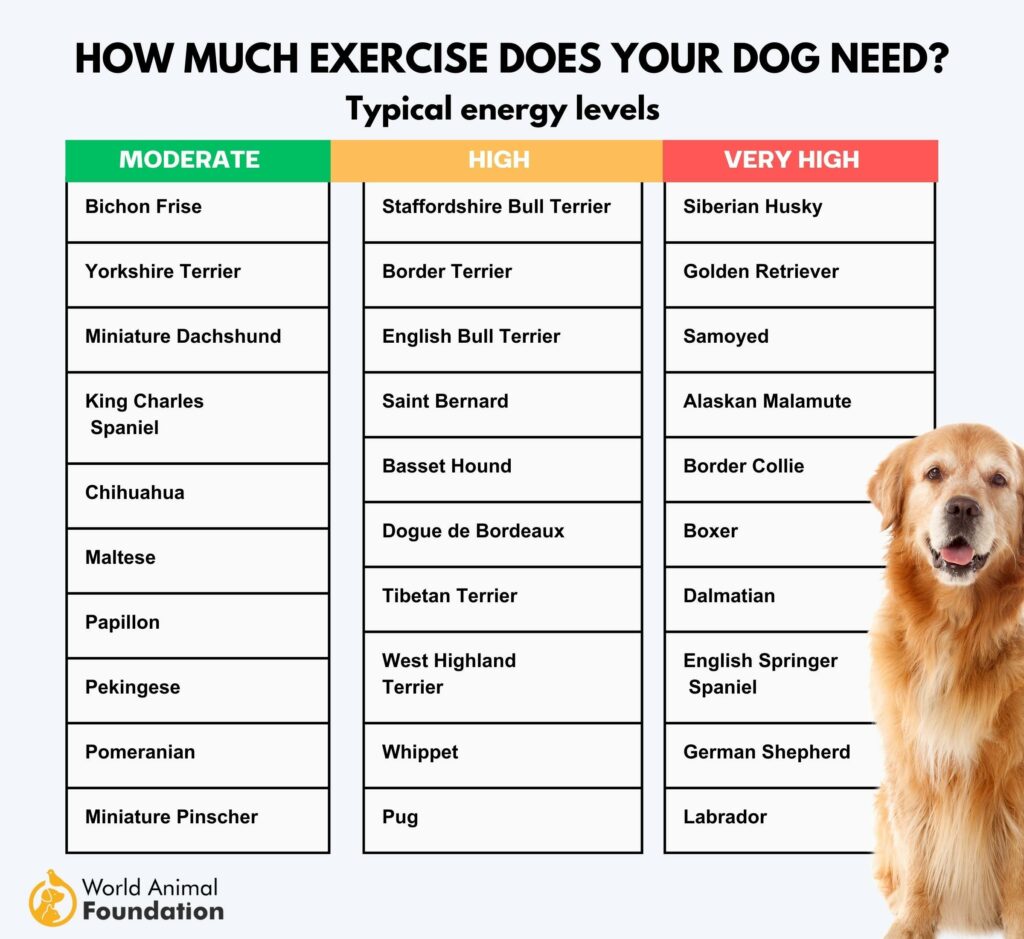
Breed And Size
Different breeds have different exercise needs. Big dogs often need longer walks. Small dogs may tire quickly. Working breeds enjoy long, active walks. Toy breeds prefer shorter strolls. Match walk length to your dog’s breed and size.
Age And Health
Puppies have lots of energy but short attention spans. Older dogs may need gentle, slow walks. Dogs with health problems require special care. Arthritis or heart issues limit walking time. Always watch your dog’s comfort and energy.
Energy Levels
Active dogs need more exercise to stay calm. Lazy dogs may be happy with short walks. Some dogs get bored easily and need variety. Play or training can add to their activity. Adjust walk length based on how your dog feels.
Weather Conditions
Hot weather can make walks tiring and unsafe. Cold weather might shorten your dog’s walk time. Rain and snow change how your dog feels outside. Always check the weather before heading out. Keep your dog safe and comfortable during walks.
Benefits Of Proper Walk Length
Walking your dog for the right amount of time helps keep them happy and healthy. It affects their body, mind, and behavior. Proper walk length meets your dog’s needs and makes life better for both of you.
Physical Health
Regular walking keeps your dog fit and strong. It helps control weight and prevents health problems. Walking improves heart and lung function. Muscles and joints stay flexible with daily exercise. Proper walk length supports a long, active life.
Mental Stimulation
Walking offers new sights, smells, and sounds. This stimulates your dog’s brain and keeps them alert. Mental activity reduces boredom and stress. Dogs enjoy exploring and learning during their walks. Proper walk length ensures enough mental exercise.
Behavior Improvement
Dogs with enough exercise behave better at home. Walking reduces hyperactivity and destructive habits. It helps release excess energy calmly. Well-exercised dogs feel less anxious and frustrated. Proper walk length leads to a calmer, happier dog.
Using The Walk Calculator
Using the walk calculator helps you find the right walking time for your dog. It gives a clear idea based on your dog’s details. This tool saves time and ensures your dog stays healthy and happy.
Inputting Dog Details
Start by entering your dog’s age, weight, and breed. These details affect how much exercise your dog needs. Make sure to be accurate for the best result. Some calculators also ask about your dog’s activity level.
Interpreting Results
The calculator shows the recommended walk time in minutes. It may also suggest the number of walks per day. Use this as a guide to plan your dog’s daily routine. Remember, these are estimates, not strict rules.
Adjusting For Special Needs
Dogs with health issues or old age need gentler walks. Adjust the time to suit your dog’s condition. Puppies need shorter, more frequent walks. Always watch your dog’s behavior and comfort during walks.
Credit: worldanimalfoundation.org
Signs Your Dog Needs More Or Less Exercise
Knowing how much exercise your dog needs is key to keeping them happy and healthy. Dogs show clear signs when they need more or less physical activity. Watching their behavior helps you adjust their walks and playtime. This keeps your dog balanced and avoids problems.
Excessive Barking Or Restlessness
Barking more than usual or pacing around means your dog might need more exercise. Restlessness shows that energy is building up inside. A longer walk or extra playtime can calm them down. This helps stop annoying noises and constant movement.
Lethargy Or Overexertion
If your dog seems tired or slow, they might be getting too much exercise. Heavy panting or lagging behind on walks can mean overexertion. Watch for signs like limping or reluctance to move. Give your dog more rest and shorter walks to recover.
Behavioral Changes
Changes in behavior often signal exercise needs. A dog acting aggressive, anxious, or sad may need more activity. On the other hand, if your dog seems withdrawn or uninterested, they might be tired. Adjusting exercise helps your dog feel better and behave well.
Tips For Making Walks Enjoyable
Making walks fun for your dog helps build a strong bond. Enjoyable walks keep your dog happy and healthy. Use simple tips to make every walk a joy.
Choosing Safe Routes
Pick paths with low traffic and smooth surfaces. Avoid busy roads and sharp corners. Check for hazards like broken glass or sharp stones. Choose shaded areas to protect your dog from heat. Safe routes reduce stress and accidents.
Incorporating Play And Training
Mix short training sessions during walks. Teach basic commands like sit or stay. Use toys to add playtime and fun. Play helps your dog stay active and alert. Training builds good behavior and mental focus.
Staying Hydrated
Bring water for both you and your dog. Offer small drinks often, especially on warm days. Watch for signs of dehydration like heavy panting. Staying hydrated keeps energy levels up. It protects your dog from heat stroke.

Credit: fourdogpaws.com
Alternatives To Walking
Walking is great exercise for dogs, but it is not the only way to keep them active. Dogs need physical and mental stimulation every day. Some days, walking may not be possible due to weather or time limits. Alternatives to walking can help your dog stay healthy and happy. These options can be done indoors or outdoors, and they add variety to your dog’s routine.
Indoor Exercises
Indoor exercises are perfect when outside is not an option. Simple activities like playing fetch in a hallway or stair climbing can tire your dog. Tug-of-war is a fun game that also builds strength. You can teach your dog new tricks or commands to keep their mind sharp. These activities use energy and prevent boredom.
Dog Parks And Socializing
Dog parks offer more than just space to run. Your dog meets other dogs and learns social skills. Playing with others is a natural way to exercise. It helps reduce anxiety and improves behavior. Always watch your dog closely to keep play safe and fun. Socializing builds confidence and keeps your dog balanced.
Interactive Toys
Interactive toys challenge your dog’s brain and body. Puzzle feeders make dogs work for their food. Chew toys help relieve stress and keep teeth clean. Toys that move or make noise hold your dog’s attention longer. These toys prevent boredom and encourage healthy activity. They are great for quiet time and bad weather days.
Credit: fourdogpaws.com
Frequently Asked Questions
How Long Should I Walk My Dog Daily?
Most dogs need 30 to 60 minutes of walking each day for good health.
Does Dog Size Affect Walking Duration?
Yes, small dogs usually need shorter walks than large, active breeds.
Can Puppies Handle Long Walks?
Puppies need short, gentle walks to avoid joint damage and fatigue.
How To Adjust Walk Time For Older Dogs?
Older dogs may need shorter, slower walks to stay comfortable and safe.
What Factors Influence Walk Duration For Dogs?
Breed, age, health, and energy level all affect how long to walk.
How To Tell If My Dog Needs More Exercise?
Look for restlessness, chewing, or weight gain; these signs mean more walking helps.
Conclusion
Walking your dog the right amount keeps them happy and healthy. Use the calculator to find the best time for your dog. Dogs need different walks based on age, size, and energy. Short walks can help small dogs, while big dogs may need longer.
Pay attention to how your dog reacts after walks. Adjust the time if they seem tired or restless. Regular walks also improve your bond with your pet. Keep walking fun and safe for both of you. This simple tool helps you give your dog the care they need.
As an Amazon Associate, I earn from qualifying purchases.