If your cat just had a spay surgery, you’re probably wondering how long you need to keep her confined. It’s a common question because you want to make sure she heals properly and avoids any complications.
Keeping your cat calm and safe during recovery is key, but it can be tricky to know exactly how much time is enough. You’ll discover the essential steps and the ideal confinement period to help your furry friend bounce back quickly and comfortably.
Keep reading to learn what you need to do to protect your cat’s health and happiness after her spay.

Credit: articles.hepper.com
Spay Surgery Basics
Spaying is a common surgery for female cats. It helps prevent unwanted litters and can improve health. Understanding the basics of spay surgery helps you care for your cat better after the operation. This section explains what spaying involves and how long recovery usually takes.
What Spaying Involves
Spaying is the removal of a female cat’s ovaries and uterus. The vet makes a small cut in the belly. The surgery stops the cat from having kittens. It also lowers the risk of certain diseases. The whole process usually takes less than an hour. Cats get general anesthesia, so they do not feel pain during surgery.
Typical Recovery Time
Most cats start to feel better within a day or two. Full healing takes about 10 to 14 days. During this time, cats need to rest and avoid jumping or running. Keep your cat in a quiet, safe space to help healing. Watch for signs like swelling or redness near the cut. Call the vet if you see anything unusual.
Credit: wilsonhand.com
Initial Confinement Period
The initial confinement period after a cat’s spay surgery is very important. It helps the cat heal safely. During this time, the cat needs to rest and stay calm. Moving too much can cause pain or harm the surgical site. This period sets the stage for a smooth recovery.
Why Keep Cats Confined
Keeping cats confined stops them from jumping or running. These actions can open the wound and cause infection. Cats may lick or bite at the surgery site. This can delay healing or cause damage. Confinement protects the cat from accidents and keeps the area clean.
The quiet space also reduces stress. A calm environment helps the cat heal faster. It prevents unwanted behavior that might harm the cat.
Recommended Duration
Most vets suggest keeping cats confined for 7 to 10 days. This time allows the surgery site to close well. Some cats may need a bit longer to heal. Watch for signs like swelling or redness. Follow the vet’s advice on when to allow more activity.
Use a small room or a large crate for confinement. Make the space comfortable with bedding and water. This helps the cat stay calm and safe during recovery.
Signs Of Healing
After a cat is spayed, watching for signs of healing helps you know how well she recovers. Healing means the body is fixing the surgery site. This process usually takes a few days to two weeks. Knowing what is normal and what is not keeps your cat safe.
Normal Post-surgery Behavior
Your cat may be quiet and rest more than usual. She might eat less for a day or two. Mild swelling or redness around the incision is normal. The area may feel warm but not hot. Some cats lick the spot, but too much licking can cause harm. Your cat may walk slowly or seem tired. These signs show her body is healing.
When To Contact A Vet
Look for signs that need a vet’s help. If the incision bleeds a lot or has pus, call your vet. Swelling that grows or feels very hot is a warning. If your cat is very weak, not eating for more than two days, or has vomiting, get advice. Also, if she seems very sad or has trouble walking, contact your vet. Quick action stops problems from getting worse.
Creating A Safe Space
After a cat’s spay surgery, creating a calm and safe space is very important. This space helps your cat heal faster and stay comfortable. It also stops her from moving too much and hurting herself. A quiet, cozy area gives your cat the best chance to recover well.
Ideal Environment Setup
Choose a small, quiet room for your cat. Keep it free from loud noises and other pets. Place a soft bed where she can rest comfortably. Add clean blankets for warmth. Make sure fresh water and food are nearby. A litter box should be easy to reach but away from food. Keep the room at a comfortable temperature. Avoid bright lights and drafts to keep your cat calm.
Limiting Physical Activity
Keep your cat’s movements slow and gentle. Avoid letting her jump on furniture or run around. Use a pet carrier or a small playpen to limit space. Do not let other pets or children disturb her. Encourage rest and sleep as much as possible. Check her incision regularly but handle her gently. Limiting activity helps prevent tearing or infection.
Care Tips During Recovery
After your cat’s spay surgery, proper care helps her heal well. The recovery time usually lasts about 7 to 10 days. During this time, keep her calm and watch for any signs of trouble. Good care supports a quick, smooth healing process.
Feeding And Hydration
Offer small, light meals at first. Your cat may feel less hungry after surgery. Fresh water should always be available. Staying hydrated helps her body heal faster. Avoid giving treats or new foods until the vet says it is okay.
Managing Incision Site
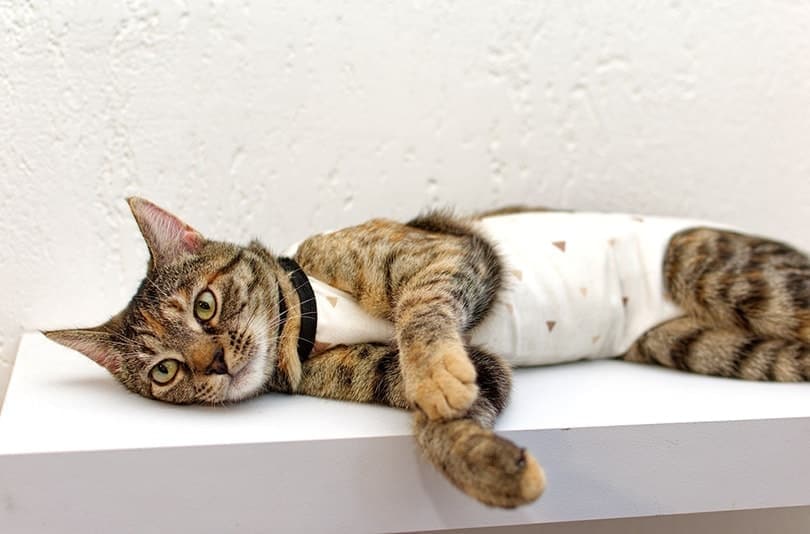
Check the incision daily for swelling, redness, or discharge. Do not let your cat lick or scratch the area. Use an Elizabethan collar if needed. Keep the incision clean and dry. Call the vet if you see any signs of infection or if the stitches come loose.
When To Resume Normal Activity
Knowing when to let your cat resume normal activity after a spay surgery is very important. Proper rest helps the cat heal well and avoid problems. Usually, cats need some days of limited movement before they can play and jump again.
Watching your cat closely during recovery is key. Some cats heal faster, others need more time. Understanding signs of readiness and guiding your cat through a slow return to activity keeps them safe and healthy.
Gradual Increase In Movement
Start by letting your cat move around slowly inside the house. Short walks and gentle play help the muscles regain strength. Avoid running, jumping, or climbing for at least 7 to 10 days. Increase activity little by little to avoid stress on the surgery site. Keep the cat in a quiet area during the first week. Use toys that encourage light movement without excitement.
Signs Your Cat Is Ready
Look for a calm and alert cat with no swelling or redness at the incision. The cat should stop licking the wound and show normal appetite. If your cat moves easily and does not limp, it likely feels better. No signs of pain or discomfort means healing is going well. If unsure, consult your vet before allowing full activity. Patience helps your cat heal strong and happy.
Common Complications
After your cat’s spay surgery, some problems may happen. Knowing these helps you keep your cat safe. Watch your cat closely for any signs of trouble.
Infection Symptoms
Infections can occur at the surgery site. Look for redness, warmth, or pus near the wound. Your cat might lick or bite the area more than usual. Fever or low energy can also signal infection. Contact your vet if you notice these signs quickly.
Handling Swelling And Irritation
Some swelling and redness are normal after surgery. This usually goes away in a few days. Use a clean cloth to gently clean the area if needed. Avoid letting your cat scratch or bite the spot. Use an Elizabethan collar if your cat is too active.

Credit: articles.hepper.com
Frequently Asked Questions
How Long Should A Cat Stay Confined After Spay Surgery?
Keep your cat confined for 7 to 10 days to allow proper healing of the surgery site.
Why Is Confinement Important After Spaying A Cat?
Confinement prevents your cat from jumping or running, which can open the surgery wound.
What Signs Show My Cat Needs Longer Confinement?
Watch for swelling, redness, or bleeding around the incision; these signs need extra rest.
Can I Let My Cat Outside During The Recovery Period?
Avoid outdoor access until the vet clears your cat to prevent infections and injuries.
How To Make Confinement Comfortable For My Cat?
Provide a quiet, cozy space with food, water, and a litter box nearby.
When Can My Cat Resume Normal Activities Post-spay?
Most cats return to normal activities 10 to 14 days after surgery, with vet approval.
Conclusion
Keeping your cat calm and confined after spay surgery helps a lot. Most cats need about 7 to 10 days of rest. This time lets their wounds heal safely and avoids infections. Watch your cat closely for any signs of trouble.
Giving them a quiet, cozy space makes recovery easier. Following your vet’s advice ensures your cat feels better fast. Patience is key. Your cat will soon return to normal, happy life.
As an Amazon Associate, I earn from qualifying purchases.