Finding out that your cat has cancer can be overwhelming and heartbreaking. You’re probably asking yourself, “How long will my cat live with cancer?” It’s a tough question, but understanding what affects your cat’s lifespan can help you prepare and make the best decisions for your furry friend.
You’ll discover the key factors that influence your cat’s survival time, what signs to watch for, and how you can improve their quality of life. Keep reading to learn what you need to know to support your cat every step of the way.
Common Cat Cancers
Cancer is a serious illness that affects many cats. Understanding common types of feline cancer helps pet owners recognize signs early. Early detection can improve treatment options and quality of life for your cat.
Types Of Feline Cancer
There are several common types of cancer in cats. Lymphoma is one of the most frequent and affects the lymph nodes or organs. Squamous cell carcinoma often appears on the skin or mouth. Mammary gland tumors mainly affect female cats, especially if not spayed. Fibrosarcoma grows in soft tissues like muscles and skin. Each type grows differently and needs special care.
Symptoms To Watch For
Changes in your cat’s behavior or body may signal cancer. Look for lumps or bumps under the skin. Notice if your cat loses weight or stops eating. Persistent wounds or sores that don’t heal can be signs. Difficulty breathing or coughing may also occur. Always check for unusual bleeding or swelling. Early signs are often subtle but important to catch.
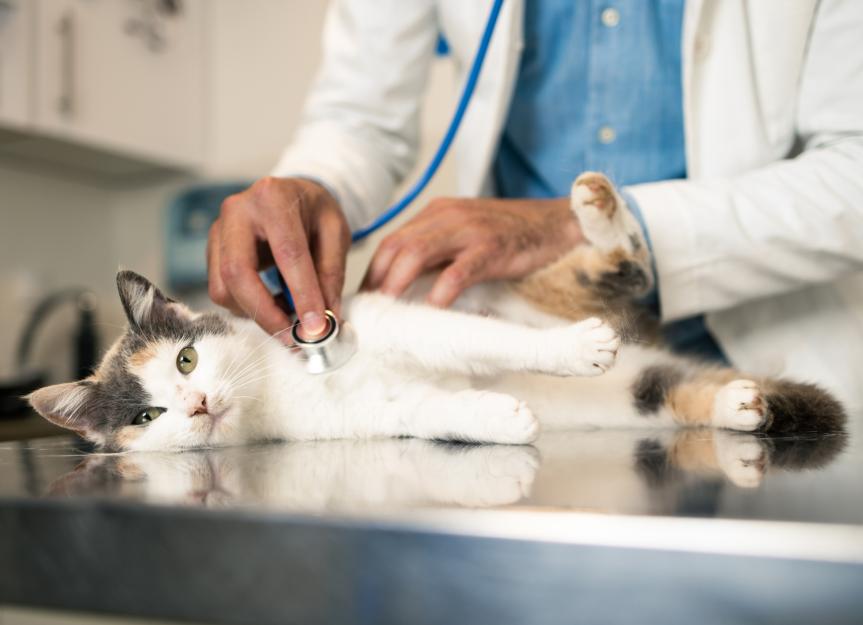
Credit: www.petmd.com
Factors Affecting Lifespan
Several factors affect how long a cat lives with cancer. Each cat’s situation is unique. Understanding these factors helps pet owners prepare and care better.
Cancer Stage And Location
The stage of cancer shows how far it has spread. Early-stage cancer often means a longer life. Late-stage cancer can be harder to treat.
The cancer’s location also matters. Tumors in vital organs may cause faster health decline. Some areas are easier to treat or remove.
Cat’s Age And Overall Health
Older cats usually have a shorter lifespan with cancer. Younger cats tend to handle treatment better. A cat’s general health affects recovery chances.
Healthy cats can fight cancer longer. Cats with other illnesses may face more problems. Regular vet check-ups improve health and lifespan.
Breed And Genetic Factors
Some cat breeds are more prone to certain cancers. Genetic makeup influences how cancer grows and spreads. Breed can also affect treatment response.
Knowing a cat’s breed helps predict cancer behavior. Genetic tests may guide treatment decisions. Breeds like Siamese or Persians show unique risks.
Treatment Options
When a cat is diagnosed with cancer, choosing the right treatment is important. Treatment helps control the disease and can improve your cat’s life. Different options work for different types of cancer and stages. Veterinarians consider many factors to find the best plan for your cat.
Some treatments aim to remove or destroy cancer. Others focus on easing symptoms and pain. Knowing the choices helps you make informed decisions for your furry friend.
Surgery And Radiation
Surgery removes tumors from the cat’s body. It works best if cancer is found early and is in one place. Surgery can sometimes cure cancer or slow its spread.
Radiation uses high-energy rays to kill cancer cells. It targets tumors without harming nearby healthy tissue. Radiation can shrink tumors and relieve pain.
Chemotherapy For Cats
Chemotherapy uses drugs to stop cancer cells from growing. It can be given as pills or injections. Chemotherapy treats cancer that has spread or cannot be removed by surgery.
This treatment may cause side effects like tiredness or loss of appetite. Vets monitor cats closely to manage these effects. Many cats tolerate chemotherapy well and feel comfortable during treatment.
Palliative Care Choices
Palliative care focuses on making cats feel better. It does not try to cure cancer but eases pain and symptoms. This care improves quality of life for cats with advanced cancer.
Options include pain relief, good nutrition, and gentle exercise. Palliative care helps cats enjoy their time and stay happy. It is a kind choice when other treatments are not possible.

Credit: www.reddit.com
Quality Of Life Considerations
Quality of life is very important for cats with cancer. It means making sure they feel as comfortable and happy as possible. Cancer can cause pain and other problems. Care that focuses on quality of life helps cats enjoy their days, even with illness.
Every cat is different. Some may live longer with good care. Others may need more support. Watching your cat closely helps you understand their needs. Small changes can make a big difference in how they feel.
Pain Management
Controlling pain is key to a good life for cats with cancer. Pain can make cats hide or stop eating. Vets can give medicines to ease pain. Some treatments help reduce swelling or discomfort. A cat that feels less pain is more active and calm.
Nutritional Support
Proper food helps keep strength and energy. Cats with cancer may eat less or lose weight. Special diets or supplements can help. Soft or tasty food may encourage eating. Good nutrition supports healing and overall health.
Monitoring Behavior Changes
Watch for changes in how your cat acts. Less playing, hiding, or trouble moving can mean pain. Changes in eating or using the litter box are signs too. Note any new behaviors and tell your vet. Early action can improve comfort and care.
Prognosis And Survival Rates
Understanding the prognosis and survival rates for cats with cancer helps pet owners prepare and care better. Cancer in cats varies widely, so survival times differ. Factors like cancer type, stage, and treatment affect outcomes. Knowing what to expect can ease some worries.
Average Lifespan After Diagnosis
On average, cats live between a few months to two years after a cancer diagnosis. Some cancers grow faster, shortening survival time. Others are slower and allow longer life. Treatment can extend survival and improve quality of life. Each case is unique and depends on many factors.
Impact Of Early Detection
Finding cancer early greatly improves a cat’s chances. Early treatment can slow cancer growth. It may also reduce symptoms and pain. Regular vet check-ups help catch cancer sooner. Early detection often means more treatment options and better results.
Case Studies And Statistics
Studies show that 50% of cats with lymphoma survive over a year with treatment. Cats with skin tumors often live longer than those with internal cancers. Survival rates vary by cancer type and treatment method. Statistics guide vets and owners but do not predict exact outcomes.

Credit: www.reddit.com
Supporting Your Cat Emotionally
Supporting your cat emotionally during cancer is very important. Cats feel stress and pain, just like people. A calm, loving home can help your cat stay happy. Emotional support can improve their quality of life. It can also strengthen your bond with your cat. Small efforts make a big difference.
Creating A Comfortable Environment
Make a quiet, cozy space for your cat. Soft bedding helps your cat rest well. Keep the area warm and free from loud noises. Place their favorite toys and blankets nearby. Give your cat easy access to food and water. Avoid moving their bed or litter box often. A stable environment reduces anxiety and stress.
Bonding And Interaction Tips
Spend gentle time with your cat every day. Speak in a soft, calm voice to soothe them. Pet your cat slowly and watch their reactions. Some cats like light brushing or massage. Let your cat decide when to play or rest. Play short, gentle games to keep their mind active. Your presence brings comfort and security to your cat.
When To Seek Veterinary Advice
Knowing when to seek veterinary advice is very important for a cat with cancer. Early help can improve comfort and quality of life. It also helps manage symptoms and avoid pain. Watch your cat closely. Small changes in behavior or health can mean it is time to see a vet. Prompt action can make a big difference for your cat’s well-being.
Recognizing Critical Signs
Some signs need urgent veterinary care. Sudden weakness or inability to move is serious. Difficulty breathing or constant coughing must not be ignored. If your cat stops eating or drinking for more than a day, call the vet. Excessive vomiting or diarrhea can cause dehydration quickly. Look for changes in how your cat acts. Confusion, hiding, or signs of pain need prompt attention. These signs show your cat may need medical help now.
Planning End-of-life Care
Discuss end-of-life care with your vet early. This helps prepare for your cat’s needs as cancer progresses. Your vet can guide you on pain relief and comfort measures. Knowing what to expect reduces stress for you and your cat. Plan for a peaceful and dignified time. Decisions about treatments or hospice care are easier with a plan. This ensures your cat’s final days are as gentle as possible.
Frequently Asked Questions
How Long Can Cats Live With Cancer?
Cat survival varies widely, typically from a few weeks to several years, depending on cancer type and treatment.
What Factors Affect A Cat’s Cancer Lifespan?
Age, cancer type, stage, overall health, and treatment all influence how long a cat may live with cancer.
Can Treatment Extend A Cat’s Life With Cancer?
Yes, treatments like surgery, chemotherapy, or radiation can help improve quality and length of life.
What Signs Show A Cat’s Cancer Is Worsening?
Loss of appetite, weight loss, lethargy, difficulty breathing, and pain often indicate cancer progression.
Is Early Diagnosis Important For Cats With Cancer?
Early diagnosis often leads to better treatment options and can improve survival time for cats.
How Can I Make My Cat Comfortable With Cancer?
Provide pain relief, a quiet space, nutritious food, and lots of love and gentle care.
Conclusion
Cats with cancer can live for weeks, months, or sometimes years. Each case is different, depending on the type and stage of cancer. Treatment and care can help improve their comfort and quality of life. Watching for changes and visiting the vet regularly is very important.
Love and support from owners also make a big difference. Remember, focus on your cat’s happiness and well-being every day. Small moments together matter the most.
As an Amazon Associate, I earn from qualifying purchases.