Have you ever watched your dog and wondered if their breathing is normal? Knowing how many breaths per minute is healthy for your furry friend can help you spot when something might be wrong.
Your dog can’t tell you when they feel unwell, but their breathing can give you important clues. You’ll discover the normal breathing rate for dogs and learn when to be concerned. Keep reading to make sure your dog stays happy and healthy every day.
Normal Breathing Rates
Dogs breathe at different rates depending on their health and activity. Knowing the normal breathing rate helps you spot any problems early. Understanding these rates makes it easier to care for your dog’s health.
Breathing rates vary with rest, size, and age. Let’s explore these factors to understand what is normal for your dog.
Resting Respiratory Rate
The resting respiratory rate is how many breaths your dog takes per minute while calm. Most dogs breathe between 10 and 30 breaths per minute at rest. A rate outside this range might need a vet’s checkup. Watch your dog when it is sleeping or resting for the best reading.
Breathing Rate By Dog Size
Smaller dogs usually breathe faster than bigger ones. Small dogs may take 20 to 30 breaths per minute. Large dogs often breathe slower, around 10 to 20 breaths per minute. Size affects lung capacity and breathing speed. Keep your dog’s size in mind when checking its breathing rate.
Age And Breathing Rate
Puppies breathe faster than adult dogs. They may take 15 to 40 breaths per minute. Older dogs tend to breathe slower, similar to adult rates. Age affects metabolism and lung function. Monitor puppies and senior dogs carefully for any changes in breathing.
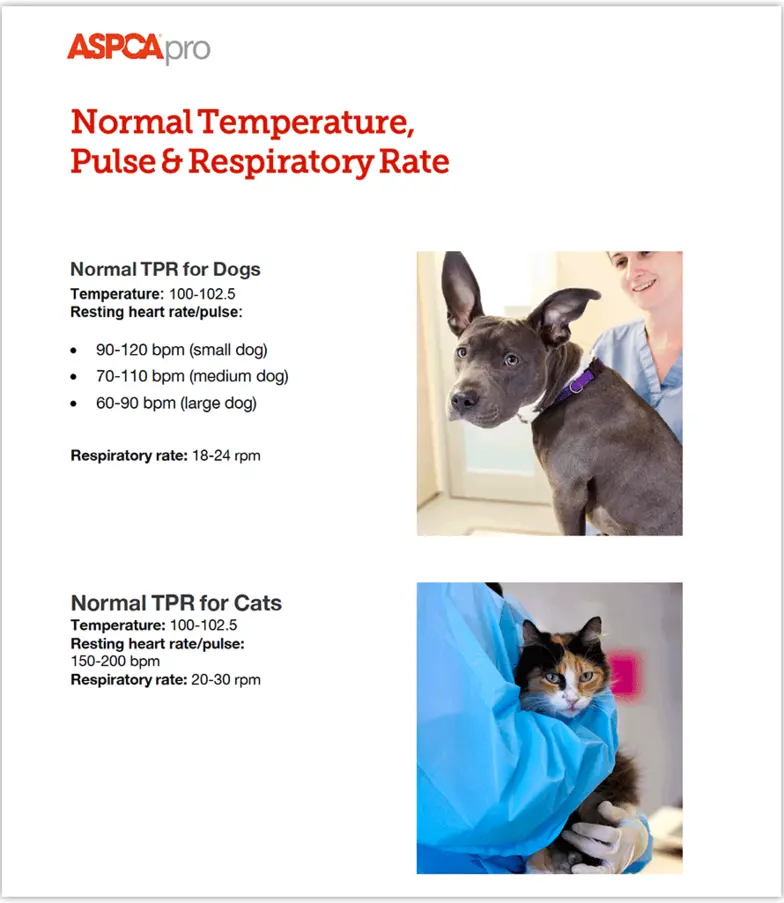
Credit: www.aspcapro.org
Factors Affecting Breathing
Several factors influence how fast a dog breathes. Understanding these helps to know what is normal and what is not. Breathing rate changes depending on the dog’s condition and surroundings. Some reasons make dogs breathe faster or slower than usual.
Exercise And Activity
Dogs breathe faster after running or playing. Their muscles need more oxygen during activity. Heavy breathing helps to cool their body down. Resting dogs have slower, steady breaths. Watch your dog’s breathing after exercise to see normal recovery.
Stress And Anxiety
Stress can cause quick, shallow breaths in dogs. Loud noises or new places may increase breathing rate. Nervous dogs often pant more than relaxed ones. Calm surroundings help your dog breathe slowly again. Notice changes in breathing during stressful events.
Environmental Influences
Hot weather makes dogs breathe faster to cool off. High humidity can also increase breathing rate. Cold weather usually slows down their breathing. Poor air quality may cause breathing problems. Keep your dog in comfortable, clean air to support healthy breathing.
How To Measure Breaths Per Minute
Knowing how to measure your dog’s breaths per minute helps track their health. It is simple and can be done at home. Watch your dog calmly and count their breaths. This gives a clear idea about their breathing rate.
Tools And Techniques
The best tool is a stopwatch or a clock with a second hand. Sit beside your dog quietly. Look at their chest or sides. Count each rise and fall as one breath. Count for 15 seconds and multiply by four. This gives the breaths per minute accurately.
Best Time To Measure
Measure when your dog is resting and calm. Avoid times after exercise or excitement. Early morning or after a nap works well. Calm moments show true breathing rate. This helps spot changes in health clearly.
Common Mistakes To Avoid
Do not count while your dog is moving or panting. Avoid distractions during counting. Counting too quickly or too slowly can cause errors. Do not guess; count each breath carefully. Repeat the count twice for accuracy.
Signs Of Abnormal Breathing
Dogs breathe differently when they are healthy and at rest. Normal breathing is calm and steady. Changes in breathing can show health problems. It is important to notice signs of abnormal breathing early. These signs can help you protect your dog’s health.
Rapid Breathing
Rapid breathing means your dog breathes faster than usual. This can happen after exercise or excitement. But if it happens at rest, it can be a warning sign. Rapid breathing may show pain, fever, or trouble with the heart or lungs.
Labored Or Noisy Breathing
Labored breathing means your dog uses extra effort to breathe. You may see the chest or belly move a lot. Noisy breathing like wheezing or gasping is also a concern. These signs suggest blockages or illness in the airways or lungs.
Coughing And Wheezing
Coughing often goes with breathing problems. It can be dry or with mucus. Wheezing sounds like a whistle or whistle during breathing. Both coughing and wheezing can signal infections or allergies. They can also point to heart or lung diseases.
When To See A Vet
Knowing when to see a vet is important for your dog’s health. Breathing changes can signal serious issues. Some signs need quick action, while others show ongoing problems. Acting fast can save your dog’s life. Understanding these signs helps you decide the right time to visit the vet.
Emergency Symptoms
Watch for heavy breathing that does not stop. Blue or pale gums mean low oxygen. Gasping or choking sounds need urgent care. Your dog may collapse or lose balance. These signs require immediate vet attention. Do not wait or try home remedies.
Chronic Breathing Issues
Slow but steady breathing problems can show illness. Coughing, wheezing, or nasal discharge matter. Your dog may breathe faster than normal at rest. These symptoms need a vet check-up soon. Early diagnosis helps treat many conditions.
Preparing For The Vet Visit
Note your dog’s breathing rate and behavior. Write down any unusual signs you see. Bring a list of questions for the vet. Keep your dog calm and comfortable. This helps the vet find the problem quickly.

Credit: www.researchgate.net
Maintaining Healthy Breathing
Maintaining healthy breathing is vital for your dog’s overall well-being. Normal breathing helps your dog stay active and happy. It also supports good oxygen flow to the body. You can help your dog breathe well by following simple habits every day.
Good breathing means fewer health problems. It keeps your dog comfortable and full of energy. Focus on habits that support strong lungs and clear airways.
Regular Exercise
Exercise keeps your dog’s lungs and heart strong. It helps improve breathing efficiency. Short walks and playtime are great options. Avoid over-exercising, especially in hot weather. Exercise also reduces stress, which can affect breathing.
Healthy Weight Management
Excess weight puts pressure on your dog’s chest. It can make breathing harder and slower. Keep your dog at a healthy weight with balanced food. Regular vet checkups help track weight and health. A fit dog breathes easier and moves better.
Avoiding Respiratory Irritants
Smoke, dust, and strong perfumes can harm your dog’s lungs. Keep your home and yard clean from these irritants. Avoid exposing your dog to secondhand smoke. Use gentle cleaning products and fresh air. Clear air helps your dog breathe comfortably.
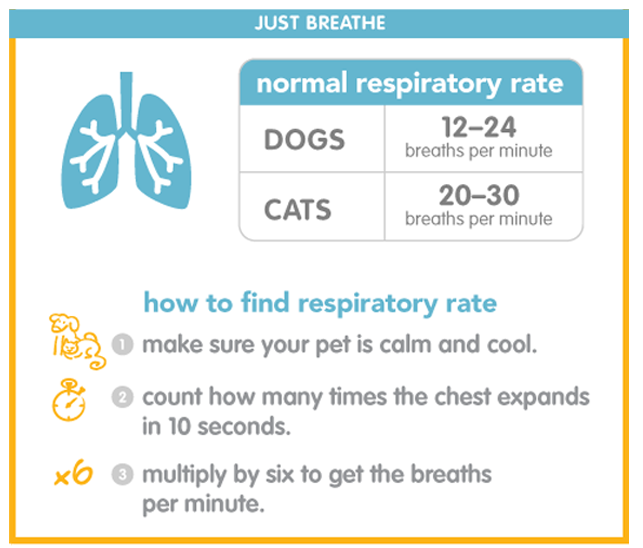
Credit: www.thegcpawprint.com
Frequently Asked Questions
What Is The Normal Breathing Rate For A Resting Dog?
A resting dog usually breathes 10 to 35 times per minute. This is normal.
How Does A Dog’s Size Affect Its Breathing Rate?
Smaller dogs tend to breathe faster than larger dogs at rest.
When Should I Worry About My Dog’s Breathing Rate?
Call a vet if your dog breathes very fast or very slow for minutes.
How Does Exercise Change A Dog’s Breathing Rate?
After exercise, dogs breathe faster to get more oxygen. This is normal.
Can Stress Or Heat Change A Dog’s Breaths Per Minute?
Yes, stress or hot weather can make a dog breathe faster.
What Signs Show Abnormal Breathing In Dogs?
Labored breaths, wheezing, or gasping may mean a problem. See a vet.
Conclusion
A dog’s normal breathing rate shows their health and comfort. Most dogs breathe between 10 and 30 times each minute. Changes in breathing can mean stress or illness. Watch your dog closely for any unusual signs. Regular checkups help keep your dog safe and happy.
Knowing normal breaths per minute helps you act quickly if needed. Always trust your instincts about your pet’s health. Caring for your dog means paying attention to small details like breathing.
As an Amazon Associate, I earn from qualifying purchases.