Have you ever stopped to count how many times your dog breathes in a minute? It might seem like a simple thing, but knowing your dog’s normal breathing rate can tell you a lot about their health.
If you’re like most pet owners, you want to make sure your furry friend is happy and well. Understanding how many breaths a dog should take per minute can help you spot problems early and keep your pet safe. Keep reading, because what you learn here could make a big difference in your dog’s life.

Credit: www.researchgate.net
Normal Breathing Rates
Understanding normal breathing rates is important to keep your dog healthy. Dogs breathe differently depending on age, size, and activity. Knowing what is normal helps spot health problems early. Let’s explore typical breathing rates for dogs at rest and how they vary.
Resting Adult Dogs
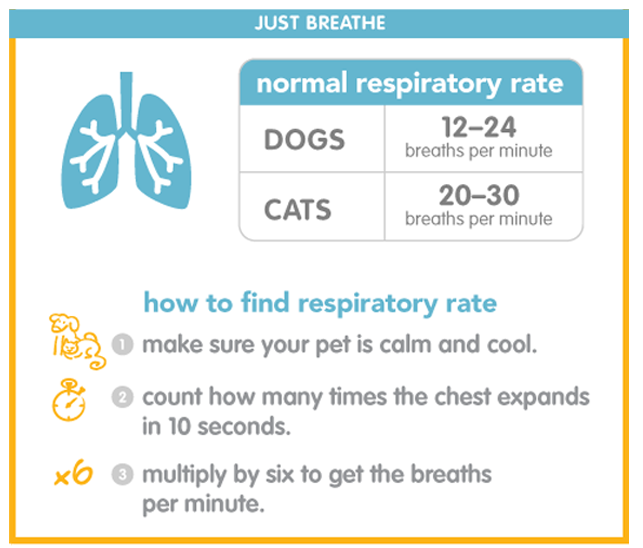
Adult dogs usually take 10 to 30 breaths per minute while resting. Small dogs may breathe faster than larger breeds. Quiet, even breathing means your dog is calm and healthy. Rapid or shallow breaths can signal stress or illness.
Puppy Breathing Patterns
Puppies breathe faster than adult dogs. Their rate ranges from 15 to 40 breaths per minute. Puppies have higher energy needs and faster metabolisms. Watch their breathing during sleep to check for any irregular patterns.
Factors Affecting Breathing Rate
Several things change a dog’s breathing rate. Exercise, temperature, and excitement can increase breaths per minute. Pain, fever, or lung issues also affect breathing. Always notice sudden or lasting changes in your dog’s breath.

Credit: tierarzt-baerenwiese.de
Signs Of Abnormal Breathing
Dogs normally breathe calmly and quietly. Changes in breathing can show health problems. Watch your dog closely. Notice any unusual breathing patterns. Early detection helps your dog get care fast.
Rapid Breathing
Rapid breathing means your dog is taking many breaths each minute. It may look like panting or fast chest movements. This can happen after exercise or heat. But if it happens at rest, it may signal illness. Check for other signs like coughing or weakness.
Labored Breathing
Labored breathing is hard or difficult breathing. Your dog may use extra effort to breathe. The chest might heave or the belly move more. Breathing may sound noisy or wheezy. This needs urgent attention from a vet.
Other Warning Signs
Look for unusual sounds like coughing or wheezing. Gums that turn blue or pale show low oxygen. Your dog may also cough often or gag. Lethargy and loss of appetite can come with breathing issues. These signs mean you should see a vet soon.
Measuring Your Dog’s Breaths
Measuring your dog’s breaths helps you watch their health closely. It shows if your dog is relaxed or stressed. Normal breathing varies by age, size, and activity. Knowing how to count breaths can alert you to problems early. This guide explains when and how to check your dog’s breathing.
When To Count Breaths
Count your dog’s breaths after they rest quietly. Avoid counting right after exercise or excitement. Check breathing if your dog seems tired or coughing. Watch for fast or slow breathing. Count breaths during calm moments for best results.
How To Count Accurately
Use a timer or clock with seconds. Watch your dog’s chest rise and fall. Each rise and fall equals one breath. Count breaths for 30 seconds. Multiply by two to get breaths per minute. Stay calm and quiet while counting. Repeat if unsure to get a clear number.
Tools To Help Monitor
A stopwatch or phone timer works well. Some apps track breathing rates easily. Use a notebook to record daily counts. Consistent notes help track changes over time. Ask your vet about special tools if needed.
Causes Of Breathing Changes
Dogs breathe faster or slower for many reasons. Understanding these causes helps keep your pet healthy. Changes in breathing can be normal or signal a problem. Watch your dog closely for any sudden or lasting changes. Knowing what affects breathing helps you act quickly.
Heat And Exercise
Dogs breathe faster in hot weather. They pant to cool down. Exercise also speeds up breathing. Your dog’s body needs more oxygen during activity. After exercise, breathing should slow down with rest. If it stays fast, it might be a concern.
Stress And Anxiety
Stress makes dogs breathe quicker. Loud noises or new places cause anxiety. Fear triggers faster, shallow breaths. Calm your dog to help slow breathing. Persistent fast breathing from stress needs attention.
Health Conditions
Some diseases change breathing rates. Heart problems can cause rapid breathing. Lung infections lead to difficulty in breathing. Allergies may cause wheezing or coughing. If breathing changes last, see a vet soon.
When To Seek Veterinary Help
Knowing when to seek veterinary help for your dog’s breathing is vital. Breathing rates can tell a lot about your dog’s health. Some changes are normal, but others need quick action. Watch your dog’s breathing closely. Spot signs that need expert care.
Emergency Situations
Rapid or very slow breathing signals an emergency. Gasping or struggling to breathe is alarming. Blue or pale gums mean low oxygen. Loud wheezing or choking sounds need urgent care. Collapse or fainting with breathing trouble requires immediate vet help. Do not wait or delay in these cases.
Chronic Breathing Issues
Persistent fast or shallow breathing needs attention. Coughing, gagging, or nasal discharge may point to illness. Breathing through the mouth often is not normal. Weight loss or lethargy paired with breathing changes is serious. Chronic issues should be checked by a vet soon.
Preparing For The Vet Visit
Note how many breaths your dog takes per minute. Record any unusual sounds or behaviors. Check if your dog eats and drinks normally. Bring a list of symptoms and their timing. Keep your dog calm and comfortable during the trip. This helps the vet diagnose faster and easier.
Credit: www.thegcpawprint.com
Frequently Asked Questions
How Many Breaths Does A Healthy Dog Take Per Minute?
A healthy dog usually takes 10 to 30 breaths per minute at rest.
What Affects A Dog’s Breathing Rate?
Exercise, heat, stress, and health issues can change a dog’s breathing rate.
When Should I Worry About My Dog’s Breathing Rate?
If breathing is too fast, slow, or labored, contact a vet immediately.
Does Size Affect How Many Breaths A Dog Takes?
Yes, smaller dogs often breathe faster than larger dogs at rest.
How Can I Check My Dog’s Breathing Rate At Home?
Count breaths by watching chest rise and fall for one full minute.
Can A Dog’s Breathing Rate Indicate Illness?
Yes, unusual breathing rates can signal health problems like infections or heart issues.
Conclusion
A dog usually takes 10 to 35 breaths per minute. This range varies by age, size, and activity. Watching your dog’s breathing helps spot health issues early. Rapid or slow breathing may mean a vet visit. Keep track of changes to keep your dog healthy.
Breathing is a simple way to check your pet’s well-being. Stay aware and care for your dog every day.
As an Amazon Associate, I earn from qualifying purchases.