If you love giving your dog bully sticks as a treat, you probably wonder, “How many bully sticks can my dog have without any problems?” You want to keep your furry friend happy and healthy, but it’s easy to get confused about the right amount. Too many bully sticks can cause stomach issues or weight gain, while too few might leave your dog unsatisfied.
You’ll discover the safe limits, benefits, and tips to make sure your dog enjoys bully sticks the right way—so you can feel confident every time you treat your best friend. Keep reading to find out exactly what your dog needs.

Credit: www.bonzadogtreats.com.au
What Are Bully Sticks
Bully sticks are popular dog chews loved by many pet owners. They are natural treats made from a single ingredient. Dogs enjoy chewing them for their taste and texture. Bully sticks offer a safe way to satisfy a dog’s chewing needs. Understanding what bully sticks are helps pet owners make smart choices.
Origin And Composition
Bully sticks come from the pizzle of a bull or steer. The pizzle is cleaned and dried to create a tough chew. They contain high protein and low fat. Bully sticks are fully digestible, unlike rawhide. They do not contain artificial chemicals or preservatives. This makes them a natural, healthy treat for dogs.
Benefits For Dogs
Bully sticks help keep a dog’s teeth clean. Chewing reduces plaque and tartar buildup. They also provide mental stimulation and reduce boredom. Dogs feel satisfied and calm while chewing. Bully sticks support strong jaws and healthy teeth. Most dogs find them tasty and enjoyable to chew.
Credit: www.bullysticksdirect.com
Factors Affecting Daily Limits
Determining how many bully sticks a dog can have each day depends on several important factors. These factors help ensure your dog stays healthy and enjoys treats safely. Each dog is unique, so daily limits vary widely.
Understanding these factors helps you give the right amount of bully sticks. Too many can cause health problems. Too few might not satisfy your dog’s chewing needs.
Dog Size And Breed
Small dogs need fewer bully sticks than large dogs. Large breeds can handle bigger or more treats. Some breeds chew more aggressively. These dogs may need stronger or longer-lasting sticks. Always match the bully stick size to your dog’s mouth and chewing style.
Age And Health Conditions
Puppies and older dogs need fewer treats. Young dogs have sensitive stomachs and growing teeth. Older dogs may have dental problems or slower digestion. Dogs with health issues like obesity or allergies need special care. Consult your vet to adjust treat amounts safely.
Activity Levels
Active dogs burn more energy and may need more treats. Dogs that exercise less require fewer calories from treats. Adjust bully stick amounts to match your dog’s daily activity. This keeps their weight and energy balanced.
Safe Daily Quantity
Giving bully sticks to your dog can be a great treat. But knowing the safe daily quantity is very important. Too many sticks can cause health problems. Too few might not satisfy your dog’s chewing needs. Balance is key to keeping your dog happy and healthy.
Recommended Serving Sizes
Small dogs should have one small bully stick per day. Medium dogs can have one medium-sized stick daily. Large dogs may enjoy one or two larger sticks each day. Always consider your dog’s size and chewing habits. Break sticks into smaller pieces for easier chewing and digestion.
Signs Of Overconsumption
Watch for diarrhea or loose stools after eating bully sticks. Vomiting or stomach upset also signals too many sticks. If your dog seems less active or uncomfortable, check their diet. Excessive chewing can lead to tooth damage or choking risks. Stop giving bully sticks if you see these signs and consult a vet.
Potential Risks Of Excessive Chewing
Giving dogs bully sticks can be a good treat and help with chewing needs. Too many bully sticks, though, can cause problems. Dogs chewing too much may face health risks. These risks can affect their digestion, safety, and weight. Understanding these dangers helps keep dogs safe and healthy.
Digestive Issues
Eating too many bully sticks can upset a dog’s stomach. The hard chew can cause blockages or irritation in the intestines. Some dogs may develop diarrhea or vomiting from overeating. Digestive discomfort may make dogs feel sick or weak. Always watch for signs of stomach trouble after chewing.
Choking Hazards
Chunks of bully sticks can break off while dogs chew. Small pieces can get stuck in a dog’s throat. This may cause choking or breathing problems. Some dogs chew too fast and swallow big bits. Supervision during chewing helps prevent dangerous choking events.
Weight Gain Concerns
Bully sticks have calories that add up quickly. Dogs eating too many may gain unwanted weight. Extra weight can lead to health problems like joint pain. Treats should not replace balanced meals. Monitor the number of bully sticks to avoid overfeeding.
Tips For Feeding Bully Sticks Safely
Feeding bully sticks to your dog can be a great treat. They help keep teeth clean and provide long-lasting chewing fun. Safe feeding is very important. You must know how to give bully sticks properly. This keeps your dog happy and healthy.
Follow some simple tips to feed bully sticks safely. These tips help avoid choking, overeating, or stomach problems. Always watch your dog and choose the right size and amount. Balance bully sticks with your dog’s regular food.
Supervision And Monitoring
Always watch your dog while chewing a bully stick. Dogs can bite off big pieces that cause choking. Stop your dog if it chews too fast or swallows large chunks. Throw away small or broken pieces to prevent swallowing dangers. Keep an eye to know how long your dog chews safely.
Choosing The Right Size
Pick bully sticks that match your dog’s size and chewing strength. Small dogs need thin sticks to avoid choking. Big dogs need thicker sticks that last longer. The right size helps control chewing and reduces risks. Avoid very hard sticks for puppies or older dogs.
Balancing With Regular Diet
Bully sticks add extra calories to your dog’s diet. Too many treats can cause weight gain or stomach upset. Give bully sticks as a small part of daily food. Adjust your dog’s meals if you give frequent treats. Balance treats with healthy meals for best results.

Credit: www.goodpetparent.com
Alternatives To Bully Sticks
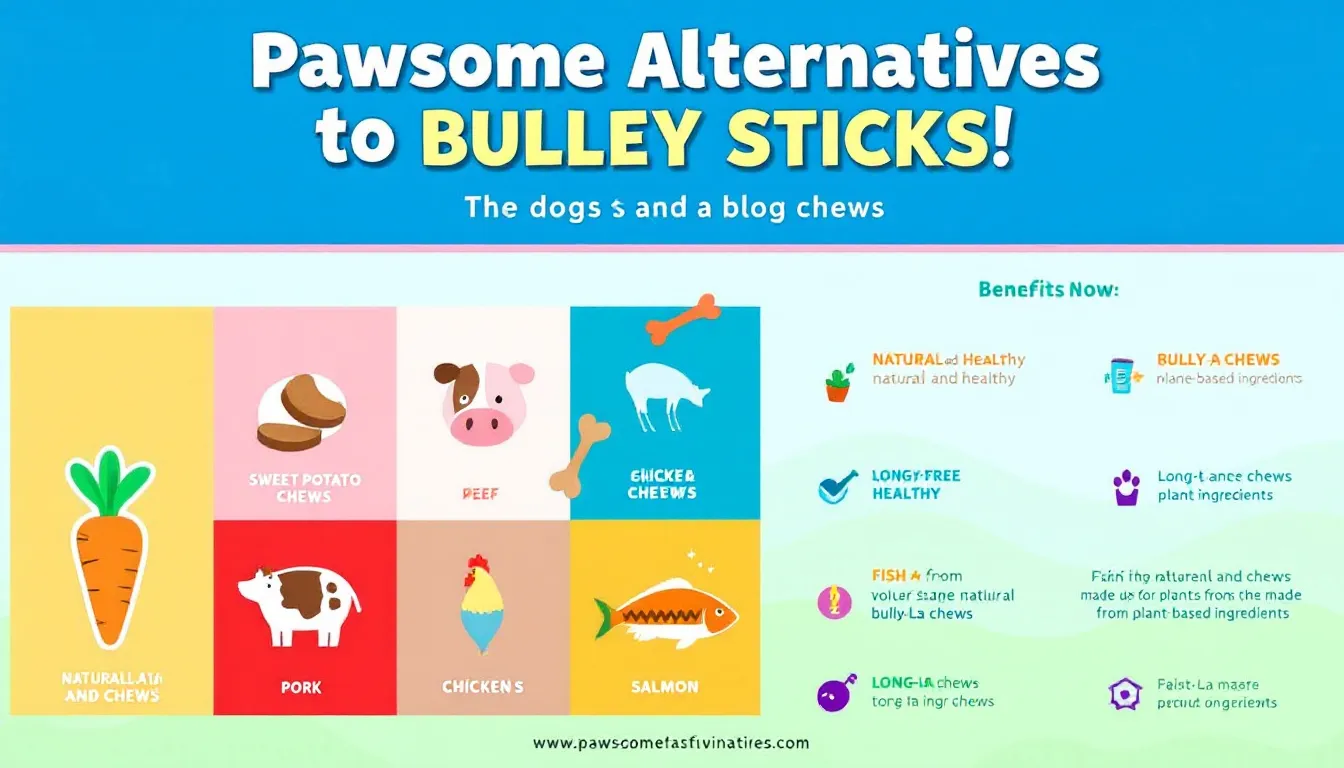
Not all dogs enjoy bully sticks or tolerate them well. Some dogs need different chew treats that suit their size and chewing style. Many safe and healthy alternatives exist to keep your dog happy and busy. These options also help with dental health and mental stimulation.
Other Chew Treat Options
Dental chews help clean teeth and freshen breath. Look for vet-approved brands with natural ingredients. Rawhide chews are popular but choose high-quality ones. Avoid small pieces that can cause choking. Antlers and hooves last longer and are tough for strong chewers. Freeze-dried liver treats satisfy taste buds and are easy to digest. Always supervise your dog during chewing to avoid accidents.
Homemade Chew Ideas
Simple homemade chews can be safe and fun. Frozen carrot sticks provide a crunchy, cold treat in hot weather. Sweet potato chews are easy to make by baking thin slices. Plain rice cakes offer a light, crunchy snack. Use natural peanut butter spread on a stick for extra flavor. Avoid any toxic ingredients like chocolate or xylitol. Homemade treats let you control ingredients and freshness.
Frequently Asked Questions
How Many Bully Sticks Can A Dog Safely Eat Daily?
Most dogs can have one bully stick per day to avoid digestive issues and excess calories.
Can Puppies Eat Bully Sticks And How Many?
Puppies can chew bully sticks but limit to half or a quarter to prevent choking.
What Size Bully Stick Is Best For My Dog?
Choose a bully stick size that matches your dog’s weight and chewing strength.
Are Bully Sticks Good For A Dog’s Teeth?
Yes, bully sticks help clean teeth and reduce plaque while dogs chew.
Can Eating Too Many Bully Sticks Harm My Dog?
Too many bully sticks can cause stomach upset, weight gain, and choking risks.
How Long Should A Dog Chew A Bully Stick?
Dogs should chew bully sticks for 10 to 30 minutes depending on stick size and dog.
Conclusion
Giving your dog bully sticks can be a healthy treat option. Keep the quantity small to avoid stomach problems. One or two sticks a day usually work well. Always watch your dog while chewing to prevent choking. Make sure to choose good quality bully sticks.
Balance treats with your dog’s regular food and exercise. This helps keep your dog happy and healthy. Remember, every dog is different. Adjust the amount based on your dog’s size and needs. Safe and mindful feeding keeps tails wagging!
As an Amazon Associate, I earn from qualifying purchases.