If you’ve ever stood in front of a big bag of dog food wondering, “How many cups are in 30 pounds?” you’re not alone. Knowing this simple conversion can save you time, money, and frustration when feeding your furry friend.
Whether you want to measure the right portion or plan your next grocery run, understanding how pounds translate to cups makes a big difference. Keep reading, and you’ll discover easy tips to get it right every time—because your dog deserves the best, and so do you.

Credit: www.amazon.com
Weight To Volume Conversion
Understanding how pounds convert to cups helps manage your dog’s food better. Weight and volume measure different things. Pounds tell how heavy something is. Cups show how much space it takes up. This difference matters when measuring dog food.
Dog food varies in size and density. This means one cup may weigh less or more. Knowing the weight to volume conversion helps feed your dog the right amount.
Why Pounds Don’t Equal Cups Directly
Pounds and cups measure different things. Pounds measure weight. Cups measure volume. Two cups of dog food may weigh differently. Factors like kibble shape and moisture affect weight. This means you cannot simply convert pounds to cups. You need to know the specific food’s density.
Average Weight Of Dog Food Per Cup
Most dry dog food weighs about 4 ounces per cup. This is a common average but can vary. Some brands have lighter or heavier kibble. For 30 pounds, this means roughly 120 cups. Always check the food label for exact weight per cup. This helps feed your dog correctly and avoid overfeeding.
Credit: www.lakeeriepet.com
Calculating Cups In 30 Pounds
Calculating how many cups are in 30 pounds of dog food helps in feeding your pet the right amount. Different dog foods have different densities. This means the weight-to-volume ratio changes. Measuring by cups instead of weight can simplify daily feeding. Let’s break down the process of converting pounds to cups.
Step-by-step Conversion Process
First, check the packaging for the food’s weight per cup. Usually, one cup weighs between 3 to 4 ounces. Next, convert 30 pounds to ounces. Since one pound equals 16 ounces, multiply 30 by 16. This gives 480 ounces total.
Then, divide 480 ounces by the weight of one cup. For example, if one cup weighs 4 ounces, divide 480 by 4. The result is 120 cups in 30 pounds. This simple math helps you know how many cups are in your dog food bag.
Common Measurement Variations
Not all dog foods weigh the same per cup. Ingredients and kibble size affect the weight. Dry foods with larger pieces weigh less per cup. Smaller, denser kibble weighs more. Always check the specific brand’s label for accurate info.
Measuring cups can vary too. Some cups are slightly bigger or smaller. Using a kitchen scale is the most precise method. This avoids guesswork and keeps your dog’s diet consistent.
Factors Affecting Portion Size
Portion size for dog food varies based on several factors. These factors ensure your dog gets the right nutrition. Feeding the correct amount helps maintain your dog’s health and energy. Understanding these factors helps you measure 30 pounds of dog food correctly.
Dog’s Age And Breed
Young puppies need more food for growth. Older dogs require less food to avoid weight gain. Large breeds eat more than small breeds. Breed size affects how much food your dog needs daily. Tailoring food amounts to age and breed keeps your dog healthy.
Activity Level And Metabolism
Active dogs burn calories faster and need more food. Less active dogs need smaller portions to prevent weight gain. Metabolism rate also changes food needs. Faster metabolism means higher food intake. Adjust portions based on activity and metabolism for balanced feeding.
Feeding Frequency And Scheduling
Feeding frequency and scheduling play a key role in your dog’s health. Dogs need regular meals to keep their energy steady. A good feeding plan helps avoid overeating and aids digestion. Understanding how much to feed and how often sets your dog up for a happy, healthy life.
Daily Feeding Amounts
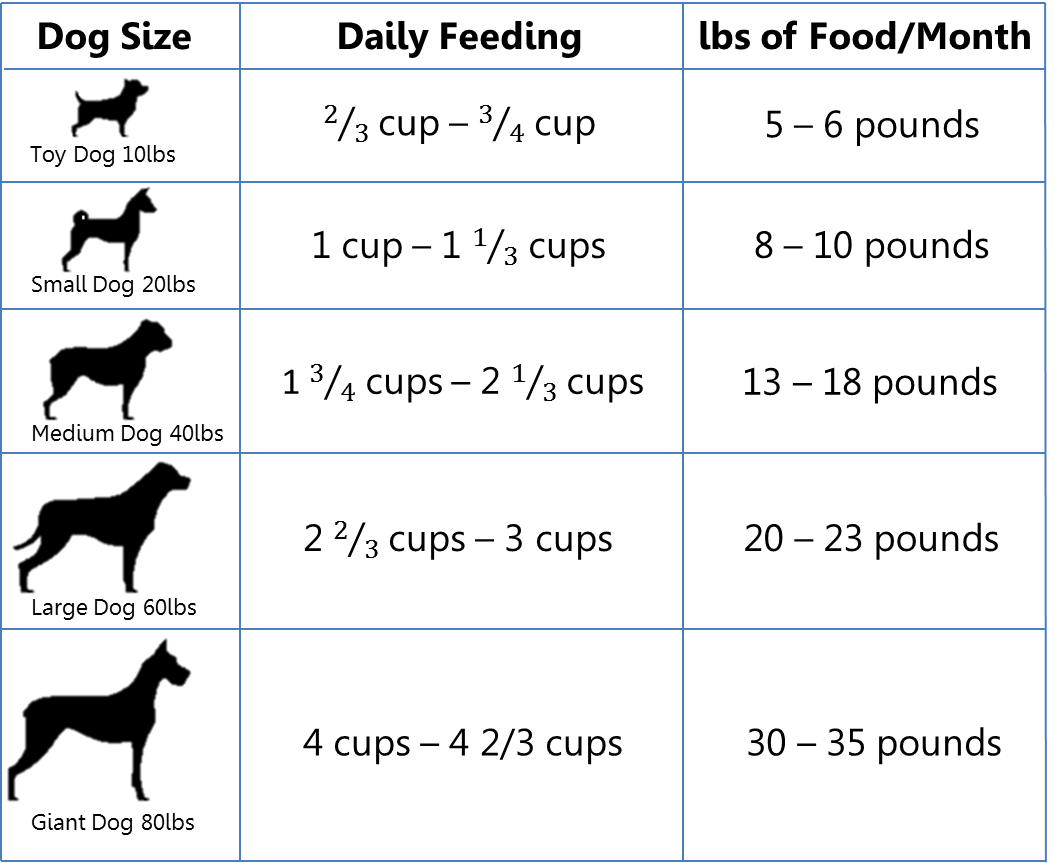
The daily feeding amount depends on your dog’s size, age, and activity. For example, a 30-pound dog usually needs about 1.5 to 2.5 cups of food each day. Check the dog food bag for exact serving sizes. Adjust the amount based on your dog’s weight and energy levels. Avoid guessing to keep your dog fit and healthy.
Splitting Meals Throughout The Day
Divide the daily amount into two or three meals. Smaller, frequent meals help digestion and reduce hunger. For adult dogs, two meals per day work well. Puppies often need three to four meals. Set consistent meal times to build a routine. This routine also helps with training and behavior.
Tips For Measuring Dog Food Accurately
Measuring dog food correctly helps keep your pet healthy and happy. It stops feeding too much or too little. Accurate measuring also saves money and reduces waste. Follow simple tips to make sure every meal is just right.
Using Proper Measuring Tools
Use a dry measuring cup or a kitchen scale for best results. Avoid guessing by hand or using random containers. A clear, marked cup shows exact portions. Scales give the most precise measurement. Clean tools after each use to keep food fresh.
Avoiding Overfeeding And Underfeeding
Feed your dog the amount the vet or package suggests. Overfeeding can cause obesity and health problems. Underfeeding may lead to lack of energy and poor growth. Measure food at every meal to keep portions consistent. Adjust portions as your dog’s needs change with age or activity.
Credit: www.reddit.com
Adjusting Portions Based On Food Type
Adjusting dog food portions depends a lot on the type of food you use. Different foods have different weights and densities. This means the number of cups in 30 pounds can change. Knowing these differences helps feed your dog just right. It also keeps your pet healthy and happy.
Dry Vs. Wet Food Differences
Dry dog food is lighter and less dense. It packs more cups per pound. Usually, one pound of dry food equals about 4 cups. Wet food contains much more water. It weighs more but takes up less space in a cup. One pound of wet food equals about 1 to 1.5 cups. Dogs feel full faster with wet food. So, you feed smaller portions compared to dry food.
Special Diet Considerations
Some dogs need special diets for health reasons. These foods can be higher or lower in calories. For example, weight management foods often have fewer calories. Dogs on these diets might need larger portions to feel full. Other diets, like for kidney health, may require smaller portions. Always follow your vet’s advice on portion sizes. Adjusting food portions keeps your dog safe and well-nourished.
Frequently Asked Questions
How Many Cups Are In 30 Pounds Of Dog Food?
There are about 120 cups in 30 pounds of dog food, depending on the food’s density.
Does Dog Food Type Affect Cup Measurement In 30 Pounds?
Yes, dry food is measured by volume, so cup count can vary with type.
How To Measure Dog Food Accurately From A 30-pound Bag?
Use a standard measuring cup for dry food to ensure correct portion sizes.
Can 30 Pounds Of Dog Food Feed A Large Dog Long?
It depends on the dog’s size and daily food amount, but usually lasts weeks.
Is Cup Size Standard For All Dog Food Brands?
Most use a standard 8-ounce cup, but check your brand for exact measurements.
How To Convert 30 Pounds Of Dog Food To Cups Easily?
Divide total pounds by weight per cup, usually about 0. 25 pounds per cup.
Conclusion
A 30-pound bag of dog food usually holds about 120 cups. This amount can vary depending on the brand and size of kibble. Measuring cups helps feed your dog the right portion. Proper feeding keeps your dog healthy and happy.
Always check the feeding guide on the bag. Adjust portions based on your dog’s age and activity. Understanding these basics makes feeding easier for any pet owner. Simple steps lead to better care for your furry friend.
As an Amazon Associate, I earn from qualifying purchases.