Are you curious about how much protein your cat really needs to stay healthy and energetic? Knowing the right amount of protein can make a big difference in your furry friend’s life.
Too little, and they might not get the nutrients they need. Too much, and it could cause problems you don’t want to face. You’ll discover exactly how many grams of protein are ideal for your cat, why it matters, and how to make sure they get the best nutrition every day.
Keep reading to give your cat the care they deserve!

Credit: truthaboutpetfood.com
Protein Needs For Cats
Cats need protein to stay healthy and active. Protein helps build muscles, repair tissues, and support their immune system. Without enough protein, cats can lose energy and become weak.
Understanding how much protein your cat needs helps you choose the right food. Protein amounts vary based on different factors. Let’s explore the daily protein needs and what affects them.
Daily Protein Requirements
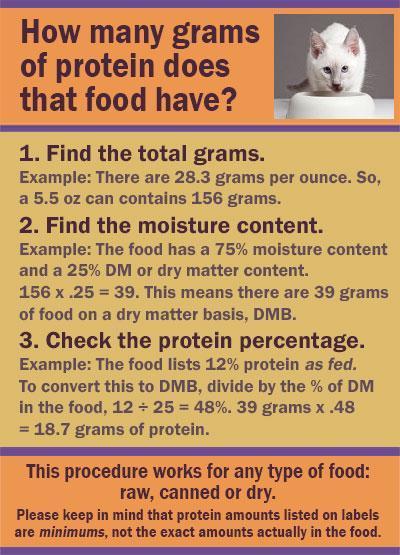
Cats generally need about 2 to 3 grams of protein per pound of body weight each day. For example, a 10-pound cat needs around 20 to 30 grams of protein daily. This amount supports their energy and body functions.
Protein should make up at least 30 to 40 percent of their daily diet. High-quality animal protein is best for cats. Plant proteins do not provide all the nutrients cats need.
Factors Affecting Protein Intake
Age, health, and activity level change a cat’s protein needs. Active cats require more protein to maintain muscle. Cats with health issues might need special protein levels.
Weight also matters. Overweight cats may need less protein but high quality. Underweight cats often need more protein to gain muscle mass.
Life Stage Variations
Kittens need more protein than adult cats to grow strong. Growing cats require about 3 to 4 grams per pound each day. Adult cats need less but still need good protein.
Senior cats may need adjusted protein amounts. Older cats can lose muscle if protein is too low. Pregnant and nursing cats also need extra protein for their kittens.
Credit: hare-today.com
Sources Of Protein For Cats
Protein is an important part of a cat’s diet. Cats need protein to build muscles, repair tissues, and stay healthy. Different sources of protein provide different nutrients. Knowing where protein comes from helps you feed your cat well.
Animal-based Proteins
Animal proteins are the best for cats. Cats are carnivores, so they need meat. Chicken, turkey, beef, and fish have high protein. These proteins have all the essential amino acids cats need. They are easy for cats to digest and use. Fresh or cooked meat can be given as treats or meals.
Plant-based Proteins
Plants have protein but not all are good for cats. Some plant proteins come from peas, lentils, or soy. These proteins lack some amino acids that cats need. Cats cannot get all their protein from plants. Plant proteins may be used in small amounts in cat food. They help add fiber but should not replace meat.
Commercial Cat Food Content
Most cat foods have a mix of animal and plant proteins. Quality cat food has high animal protein content. Labels show the percentage of protein in the food. Wet foods often have more animal protein than dry foods. Check ingredients for meat sources like chicken or fish. Avoid foods with too many fillers and low protein.
Benefits Of Adequate Protein
Protein is a vital nutrient for cats. It helps them stay healthy and strong. Cats need enough protein every day. This supports many body functions. Here are the key benefits of giving cats enough protein.
Muscle Maintenance
Protein helps build and keep muscles strong. Cats use muscles to move and play. Without enough protein, muscles can weaken. This can cause a cat to be less active. Good protein levels keep muscles healthy and firm.
Immune Support
Protein helps the immune system fight sickness. It produces important cells and antibodies. These protect cats from infections and diseases. Cats with enough protein recover faster. Their bodies stay better prepared to fight germs.
Energy Supply
Protein provides energy for daily activities. Cats burn energy during hunting, playing, and resting. Protein breaks down into fuel for their bodies. Without enough protein, cats may feel tired. Proper protein intake keeps their energy steady.
Signs Of Protein Deficiency
Protein is vital for a cat’s health. Without enough protein, cats show clear signs. These signs help pet owners notice problems early. Spotting protein deficiency is key to keeping cats healthy. Below are common signs seen in cats lacking protein.
Physical Symptoms
Cats with low protein lose muscle and weight quickly. Their fur becomes dull and brittle. Skin may look thin and fragile. Slow healing of wounds is common. Weakness and tiredness appear even after rest.
Behavioral Changes
Protein deficiency affects a cat’s mood and actions. Cats may become less active and playful. They may hide or avoid contact. Loss of appetite is frequent. Some cats show irritability or confusion.
Health Risks
Long-term protein lack leads to serious health problems. Immune system weakens, causing more infections. Organs like the liver and kidneys may fail. Growth slows down in kittens. Untreated deficiency can result in death.
Balancing Protein In Cat Diets
Balancing protein in cat diets is important for their health and energy. Cats need the right amount of protein to build muscles and keep their organs working well. Too little protein can cause weakness, while too much may strain the kidneys. Finding the right balance helps cats stay active and happy.
Protein quality also matters. Cats need proteins from animal sources, as these contain essential amino acids. Feeding a diet that meets these needs supports their overall well-being.
Homemade Vs. Commercial Diets
Homemade diets allow control over ingredients and protein sources. This can help meet specific needs or avoid allergies. But it requires knowledge to balance nutrients correctly. Missing key nutrients can harm your cat’s health.
Commercial diets are designed to provide balanced nutrition. They often include all needed vitamins and minerals. Look for high-quality brands with clear protein content on labels. These diets offer convenience and safety for your cat.
Supplements And Additives
Supplements can help fill gaps in a cat’s diet. Protein powders or amino acid supplements may boost intake if needed. Always use products made for cats to avoid harm.
Additives like taurine and omega-3 fatty acids support heart and eye health. These nutrients are essential and may not be enough in homemade diets. Proper supplementation improves your cat’s nutrition.
Consulting A Veterinarian
A veterinarian can guide the right protein amount for your cat. They consider age, weight, and health conditions. Regular check-ups help adjust the diet as your cat grows or changes.
Professional advice prevents nutritional mistakes. It ensures your cat gets balanced, safe meals. Always ask a vet before making major diet changes or adding supplements.
Credit: articles.hepper.com
Frequently Asked Questions
How Much Protein Does An Average Cat Need Daily?
An average cat needs about 26 to 30 grams of protein each day for good health.
Why Is Protein Important For Cats?
Protein helps cats build muscles, repair tissues, and keep their energy levels high.
Can Cats Get Enough Protein From Dry Food?
Yes, many dry cat foods provide enough protein if they are high-quality and balanced.
How Do Protein Needs Vary By Cat’s Age?
Kittens need more protein, around 30-35 grams daily, while adult cats need slightly less.
What Happens If A Cat Eats Too Little Protein?
Low protein can cause weight loss, weak muscles, and poor immune health in cats.
Are All Proteins Equally Good For Cats?
Animal-based proteins like chicken and fish are best as cats digest them easily.
Conclusion
Cats need the right amount of protein every day. Protein helps keep their muscles strong and energy high. Adult cats usually need about 25 to 30 grams of protein daily. Growing kittens and active cats may need more. Feeding your cat a balanced diet supports their health and happiness.
Always check pet food labels for protein content. Consult a vet for advice on your cat’s diet. Good protein helps cats live long and healthy lives. Simple but important for your feline friend.
As an Amazon Associate, I earn from qualifying purchases.