Have you ever stopped to wonder just how many hairs cover your dog’s body? It’s a surprising question, right?
But knowing the answer can help you understand your furry friend better—from their grooming needs to how they handle the weather. Whether you’re curious about shedding, allergies, or simply want to impress your friends with fun dog facts, this article will give you clear, easy-to-understand insights.
Stick with me, and you’ll discover the fascinating world hidden beneath your dog’s fur.
Credit: www.mimimememe.com
Dog Hair Basics
Dog hair covers their body in different ways. It protects them from cold, heat, and dirt. Knowing about dog hair helps owners take better care of their pets. Each dog has a unique hair type and growth pattern. These details explain why dogs shed and how much hair they have.
Dog hair is more than just fur. It plays a role in health and comfort. Understanding the basics makes grooming easier and keeps dogs happy.
Types Of Dog Hair
Dogs have several types of hair. The main ones are guard hair, undercoat, and whiskers. Guard hair is long and stiff. It protects the dog’s skin from rain and dirt. The undercoat is soft and dense. It keeps the dog warm in cold weather. Some dogs have a double coat with both types. Other dogs have a single coat that is shorter and thinner. Whiskers help dogs sense their surroundings. Each hair type has a special job.
Hair Growth Cycle
Dog hair grows in a cycle with three stages. The first is anagen, where hair grows actively. Next is catagen, a short resting phase. The final stage is telogen, when hair stops growing and falls out. After telogen, the cycle starts again. This cycle affects how much dogs shed. Some breeds shed a lot because of their hair growth patterns. Understanding this cycle helps explain shedding and hair loss in dogs.
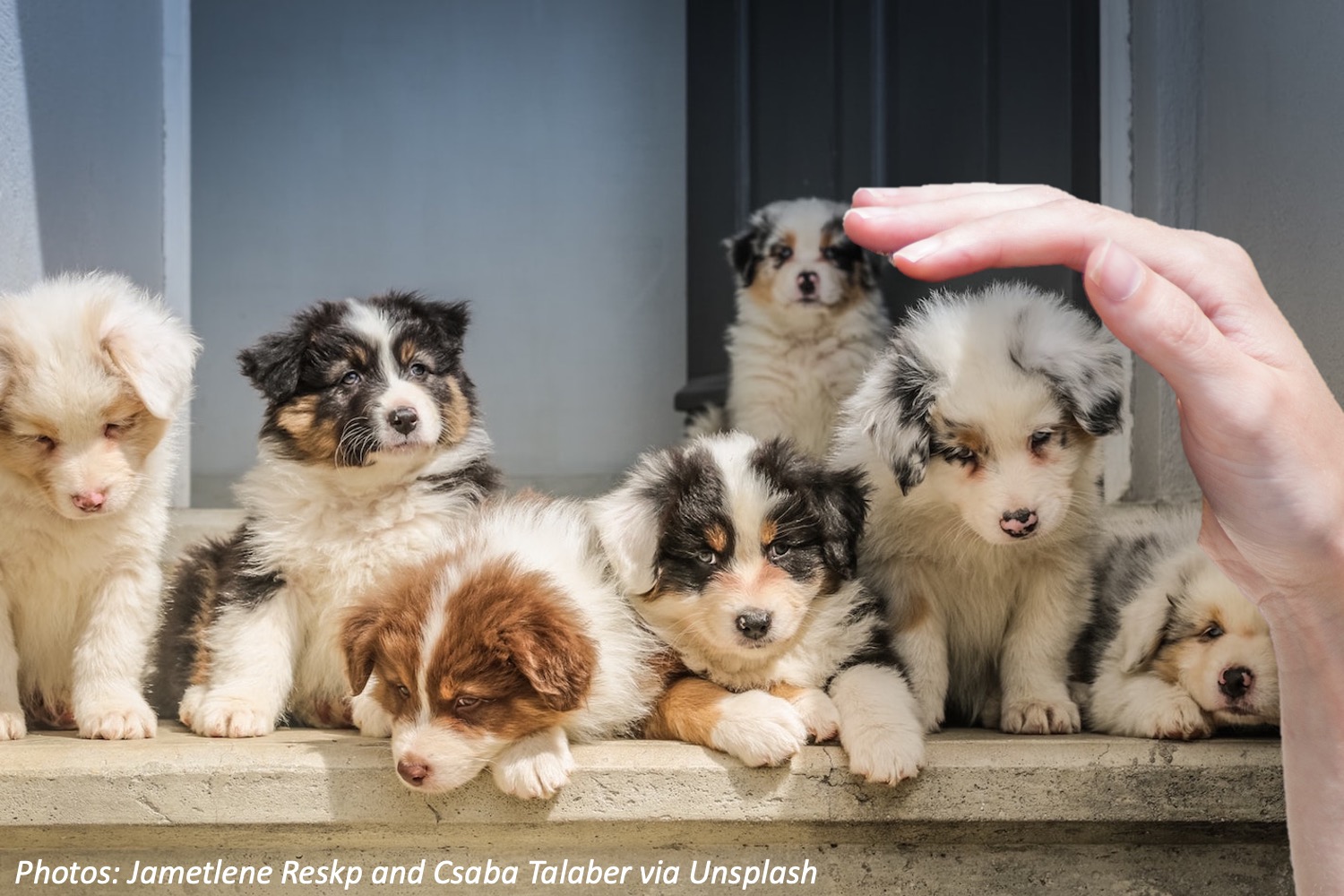
Credit: bedtimemath.org
Average Hair Count
Dogs have a lot of hair. On average, a dog’s coat holds tens of thousands of hairs. The number changes based on size, breed, and hair type. Each hair helps protect the skin and keep the dog warm.
Counting every hair on a dog is tough. But experts estimate most dogs have between 15,000 and 60,000 hairs per square inch. This is just a rough number. The total hair count depends on many things.
Variations By Breed
Different dog breeds have very different hair counts. Some breeds like the Poodle have dense, curly fur. They have more hairs packed tightly. Breeds like Greyhounds have thin, short coats with fewer hairs.
Double-coated breeds like Huskies have two layers of hair. This adds to their total hair count. Single-coated dogs have only one layer and less hair overall. Coat length also changes hair numbers.
Factors Affecting Hair Density
Age affects hair density. Puppies have softer, thinner coats. Older dogs may lose some hair. Health plays a role too. Poor diet or illness can reduce hair growth.
Climate influences hair thickness. Dogs in cold areas grow thicker coats. Those in warm climates often have thinner coats. Grooming habits also matter. Regular brushing can keep hair healthy and strong.
Hair Function And Benefits
Dog hair serves many important purposes beyond looks. It helps dogs stay safe and comfortable in many environments. The hair protects their skin and helps control body temperature. It also plays a key role in how dogs sense the world around them.
Protection And Insulation
Dog hair shields their skin from cuts and scrapes. It acts as a barrier against dirt and insects. During cold weather, the hair traps warm air close to the body. This keeps dogs warm and cozy. In hot weather, some hair types reflect sunlight. This helps prevent overheating. The thickness and length of hair vary by breed to match their environment.
Sensory Roles
Dog hair helps dogs sense nearby objects and changes. Whiskers, a special kind of hair, detect touch and vibrations. They alert dogs to danger or obstacles in the dark. Hair on the body also feels movement in the air. This helps dogs notice approaching animals or people. Hair plays a vital role in a dog’s awareness and safety.
Shedding Patterns
Dogs shed hair naturally to keep their coats healthy. Shedding patterns vary by breed, age, and environment. Understanding these patterns helps in caring for your dog better. Shedding is normal but can signal changes in health or weather.
Seasonal Changes
Many dogs shed more during spring and fall. This helps them adjust to temperature changes. In spring, they lose thick winter coats. In fall, they grow thicker coats for winter. Some breeds shed heavily, others very little. Indoor dogs may shed less due to stable temperatures.
Health Indicators
Sudden or heavy shedding can show health problems. Skin infections, allergies, or parasites cause more hair loss. Poor diet or stress also affect shedding. Regular vet check-ups help catch issues early. Healthy skin means healthy hair growth and less shedding.
Care Tips For Healthy Coat
Taking care of your dog’s coat is key to keeping it healthy and shiny. A well-maintained coat protects your dog from weather and skin problems. Simple daily care can make a big difference in your dog’s comfort and appearance.
Healthy fur shows a happy dog. Let’s explore how grooming and nutrition help your dog’s coat stay in top shape.
Grooming Essentials
Brush your dog’s coat regularly. It removes dirt and loose hairs. Brushing also spreads natural oils, keeping the coat shiny and soft. Choose a brush that suits your dog’s hair type. Long-haired dogs need different tools than short-haired ones.
Bath your dog as needed. Use mild shampoo made for dogs. Too much washing can dry the skin. Check for ticks, fleas, or skin issues during grooming. Trim nails and clean ears to prevent infections.
Nutrition Impact
Good food creates a strong, glossy coat. Feed your dog high-quality food rich in proteins and healthy fats. Omega-3 and Omega-6 fatty acids help reduce shedding and itchiness. Vitamins like A and E support skin health.
Fresh water is vital. Hydrated skin means less dryness and flaking. Avoid feeding too many treats or table scraps. Balanced nutrition supports your dog’s coat from the inside out.

Credit: www.rd.com
Common Hair Problems
Dogs have thick coats made of thousands to millions of hairs. These hairs protect their skin and keep them warm. Sometimes, dogs face hair problems that affect their health and comfort. Understanding common hair problems helps in caring for dogs better.
Allergies And Irritations
Allergies often cause itching and redness on a dog’s skin. They react to pollen, dust, or certain foods. This irritation leads to scratching and hair damage. Some dogs develop rashes or bumps. Allergies can make hair thin or patchy. Regular grooming and vet visits help manage these issues.
Hair Loss Causes
Hair loss in dogs is common and has many causes. Stress, poor diet, or infections can lead to shedding. Parasites like fleas cause itching and hair fall. Hormonal imbalances also affect hair growth. Sometimes, old age causes thinning coats. Identifying the cause is key to treatment.
Frequently Asked Questions
How Many Hairs Does A Typical Dog Have?
A dog usually has between 15,000 and 60,000 hairs per square inch of skin.
Do Different Dog Breeds Have Different Hair Counts?
Yes, hair count varies by breed due to coat type, size, and genetics.
Does A Dog’s Age Affect Its Hair Quantity?
Older dogs often lose hair, so their hair count may decrease with age.
How Does A Dog’s Hair Density Impact Shedding?
Higher hair density means more shedding, as dogs lose old hairs regularly.
Can Diet Influence The Number Of Hairs On A Dog?
Good nutrition supports healthy hair growth, which can increase hair quantity.
How Often Do Dogs Shed Their Hair Completely?
Dogs shed hair seasonally, usually twice a year, replacing old hair with new.
Conclusion
Dogs have thousands to millions of hairs, depending on their breed. Each hair helps protect and keep them warm. Shedding is normal and varies by dog type. Knowing this helps you care for your pet better. Healthy fur means a happy dog.
Take time to brush and check your dog’s coat often. This keeps their hair clean and strong. Every dog is unique, just like their fur. Understanding hair count gives insight into your dog’s needs.
As an Amazon Associate, I earn from qualifying purchases.