Have you ever stopped to count how many paws your dog actually has? It might seem like a simple question, but understanding your furry friend’s paws can tell you a lot about their health and behavior.
Whether you’re curious about their unique features or want to learn how to care for those paws better, this article will give you clear answers and helpful tips. Keep reading to discover everything you need to know about your dog’s paws—you’ll be surprised by what you find!
Credit: a-z-animals.com
Dog Paw Basics
A dog’s paws are essential for movement and balance. They help dogs run, jump, and play every day. Understanding the basics of dog paws gives insight into how dogs interact with the world.
Paws protect dogs’ feet from rough surfaces and harsh weather. Each paw has special features that support different activities. Let’s explore the number and structure of a dog’s paws.
Number Of Paws On A Dog
Dogs have four paws in total. Two are at the front, and two are at the back. Each paw supports the dog’s weight and helps with movement. The front paws often carry more weight than the rear ones. This design helps dogs stay balanced and agile.
Anatomy Of A Dog’s Paw
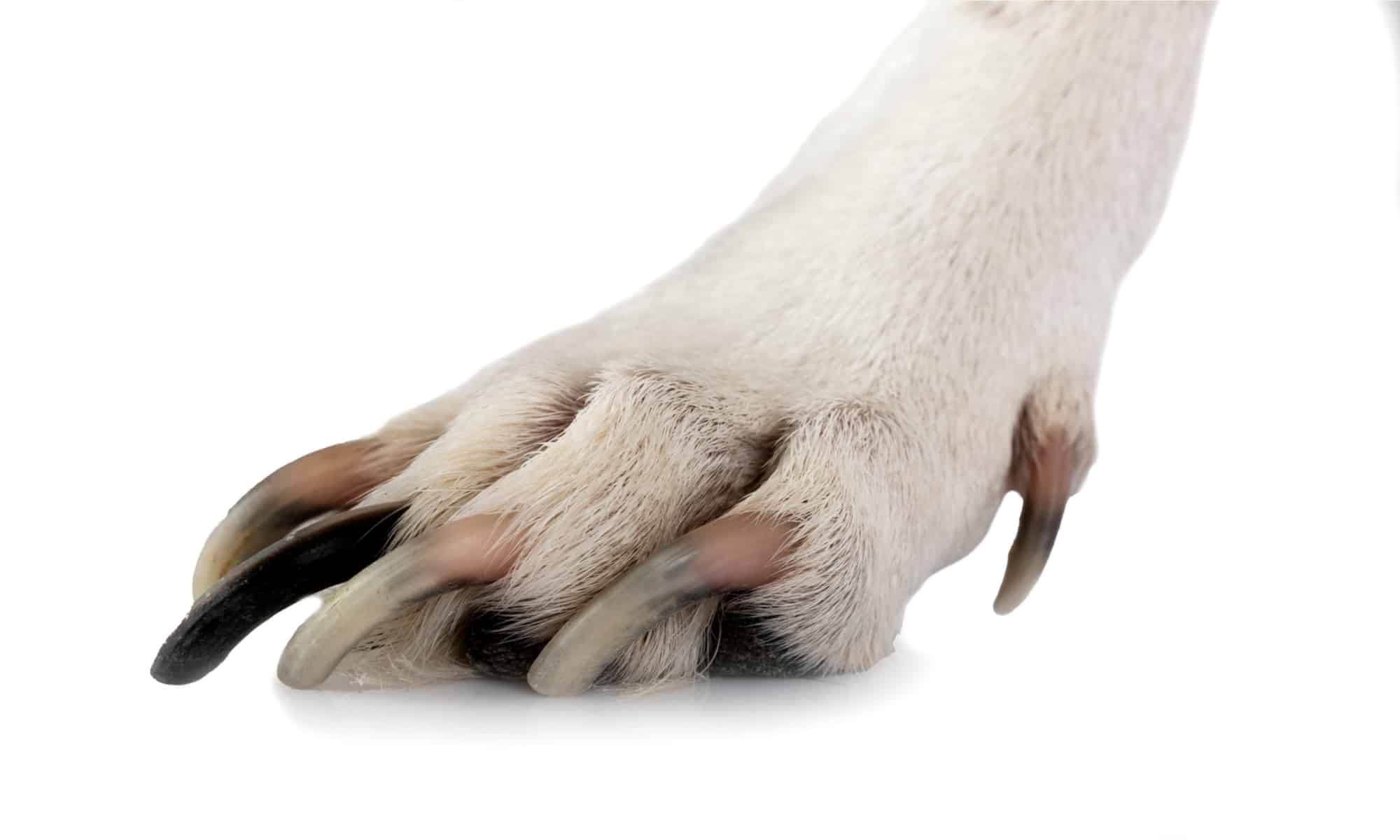
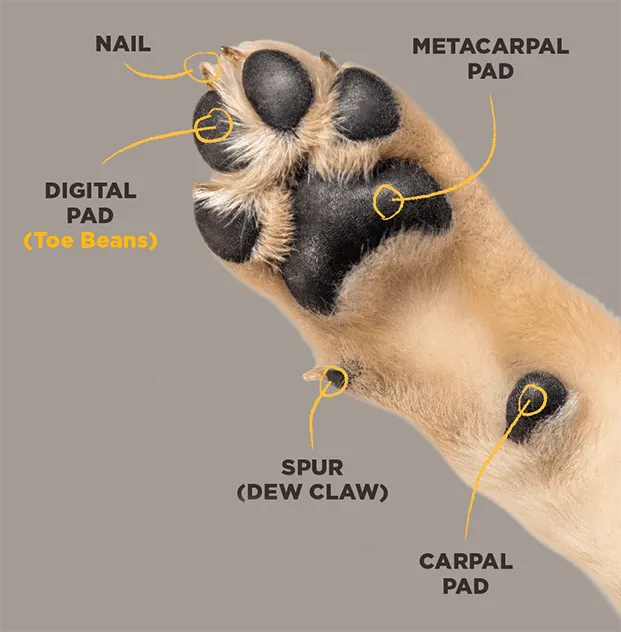
Each paw has five toes on the front feet and four on the back. Some dogs have extra toes called dewclaws. Paw pads cover the bottom of each toe and the main pad. These pads cushion the feet and provide traction. Claws extend from the toes and help dogs grip surfaces. The skin on paws is thick and tough to protect against injury.
Credit: www.arloren.com
Functions Of Dog Paws
Dog paws are amazing tools that help dogs live and explore their world. Each paw has a special job. These jobs help dogs move, feel, and stay safe. Understanding these functions shows how paws support a dog’s daily life.
Movement And Balance
Dog paws help dogs walk, run, and jump. They act like shock absorbers. Paws spread out to keep dogs steady. This helps dogs stay balanced on all surfaces. They adjust to rough or smooth ground easily.
Sensation And Touch
Paws have many nerve endings. These nerves send messages to the brain. Dogs use paws to sense temperature and texture. This helps them avoid hot or sharp objects. Paws also help dogs feel the ground beneath them.
Protection And Traction
The thick pads on paws protect dogs’ feet. They shield from rough and hot surfaces. Paws have claws that dig into the ground. This gives dogs better grip and stops slipping. Together, pads and claws keep dogs safe outdoors.
Unique Features Of Dog Paws
Dog paws are special and have many unique features. They help dogs walk, run, and stay safe on different surfaces. Each part of a dog’s paw has a purpose. These parts work together to give dogs balance and protect them from rough ground.
Understanding these features helps us care for our dogs better. Let’s explore some key parts of dog paws.
Pads And Claws
Dog paws have thick pads on the bottom. These pads act like cushions. They protect the bones and joints from hard surfaces. Pads also help dogs walk quietly. The claws, or nails, grow at the end of each toe. Dogs use claws for digging and gripping. Claws also help dogs keep balance on slippery surfaces.
Dewclaws Explained
Dewclaws are small extra toes on the inside of a dog’s leg. Not all dogs have them on all legs. Dewclaws do not touch the ground. They help dogs hold things, like bones or toys. Some dogs have dewclaws removed to prevent injury. These toes are unique and not used like regular toes.
Variation Among Breeds
Dog paws differ from breed to breed. Some dogs have larger paws for running on snow. Others have smaller paws for speed on dry land. Breeds like the Saint Bernard have webbed paws for swimming. Size, shape, and number of toes can change too. These differences help dogs survive in their environments.
Health And Care Tips
Dogs rely on their paws for walking, running, and exploring. Keeping paws healthy is key to your dog’s comfort and happiness. Watch for signs of injury or discomfort. Regular care helps prevent problems. Understanding paw health supports your dog’s overall well-being.
Common Paw Injuries
Paws can get cuts, scrapes, and bruises easily. Sharp objects like glass or stones cause injuries. Paw pads may crack in dry weather. Watch for bleeding, limping, or licking paws a lot. Small wounds can get infected without care. Seek vet help for deep cuts or swelling.
Paw Hygiene And Maintenance
Clean your dog’s paws after walks. Dirt and debris can cause irritation or infections. Use warm water and mild soap to wash paws. Dry paws well to avoid fungal growth. Trim hair around paws to prevent matting. Keep nails short to avoid pain and injury.
Seasonal Paw Care
Hot pavement in summer can burn paw pads. Walk dogs on grass or cool surfaces. In winter, salt and ice can harm paws. Rinse paws after walks in snowy areas. Use paw balm to protect and moisturize pads. Adjust care based on season and weather changes.
Interesting Paw Facts
Dog paws are more than just parts for walking. They hold many secrets and special traits. These paws help dogs explore their world and communicate in unique ways. Understanding paws gives us a deeper look into a dog’s life.
Here are some interesting facts about dog paws that show how special they really are.
Paw Prints As Identifiers
Each dog’s paw print is unique, like a fingerprint for humans. Patterns of pads and toes create distinct shapes. These prints can help identify dogs. Some shelters and vets use paw prints for records. It is a natural way to tell dogs apart.
Dogs’ Paw Sensitivity
Paws have many nerve endings, making them very sensitive. Dogs feel textures, temperatures, and even vibrations through their paws. This sensitivity helps them walk safely on rough or hot surfaces. It also aids in hunting and exploring. Paws act like tiny sensors on the ground.
Paws In Dog Communication
Dogs use their paws to send messages. They may tap or scratch to get attention. Paws can show affection or request play. Sometimes, dogs lift a paw to express uncertainty or calm themselves. Watching paw movements helps understand a dog’s feelings.
:max_bytes(150000):strip_icc()/__opt__aboutcom__coeus__resources__content_migration__mnn__images__2014__06__paws-parts_0-07e021a2e3904ec3a956c32a955424cb.jpg)
Credit: www.treehugger.com
Frequently Asked Questions
How Many Paws Does A Dog Have?
A dog has four paws, one on each leg. Each paw helps with walking and balance.
What Is The Function Of A Dog’s Paws?
Paws help dogs walk, run, and grip surfaces. They also protect the legs from rough ground.
Do All Dogs Have The Same Paw Size?
No, paw size varies by breed and age. Larger dogs usually have bigger paws.
Can A Dog Have More Than Four Paws?
Some dogs have extra toes called dewclaws, but they still have only four main paws.
How Do Dogs Use Their Paws To Explore?
Dogs use paws to feel textures and dig. Paws have sensitive pads for touch.
Why Do Dogs’ Paws Need Care?
Paw pads can get dry or injured. Regular cleaning and checking prevent infections and pain.
Conclusion
Dogs have four paws, each with toes and nails. Their paws help them walk, run, and play. Knowing this helps us understand dogs better. Taking care of their paws keeps dogs happy and healthy. Always check paws for cuts or dirt after walks.
A dog’s paws are small but very important. They carry the dog’s weight and protect their feet. Remember, healthy paws mean a happy dog. Simple care goes a long way for your furry friend.
As an Amazon Associate, I earn from qualifying purchases.