If you want to feed your dog a healthy mix of beef and rice, knowing the right amount is key. Giving too much or too little can affect your dog’s health and energy.
You might wonder, “How much beef and rice should I give my dog based on their weight? ” This guide will help you find the perfect balance. By the end, you’ll feel confident about preparing meals that keep your furry friend happy and strong.
Keep reading to discover the simple formula that makes feeding time stress-free and nutritious.
Daily Beef And Rice Needs
Feeding your dog the right amount of beef and rice is important for their health. Dogs need balanced meals to stay strong and active. The amount depends on their weight, activity, age, and breed. This section helps you understand how much beef and rice your dog needs every day.
Calculating By Dog Weight
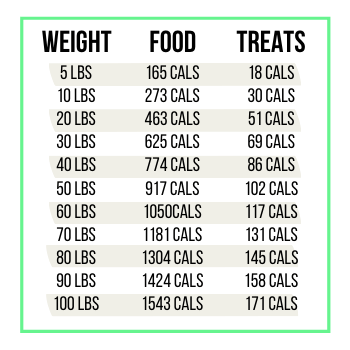
Start by knowing your dog’s weight in pounds or kilograms. A common rule is feeding 2-3% of their body weight daily. For example, a 20-pound dog needs about 0.4 to 0.6 pounds of food. Divide this between beef and rice. Usually, 70% beef and 30% rice works well.
Adjusting For Activity Level
Active dogs burn more energy and need more food. If your dog runs or plays a lot, add 10-20% more beef and rice. Less active or older dogs need less. Watch your dog’s weight and adjust food amounts to keep them healthy.
Considering Age And Breed
Puppies and young dogs need more protein and calories for growth. Give them slightly more beef and rice than adults. Large breeds digest food slower and may need smaller, frequent meals. Small breeds eat less but often. Tailor portions to your dog’s age and breed type.
Credit: www.purina.com
Beef To Rice Ratio
The beef to rice ratio is important for your dog’s health. It ensures your dog gets the right balance of protein and carbohydrates. Too much beef or rice can cause digestion problems or nutrient gaps. Knowing the correct ratio by weight helps you feed your dog a balanced meal. This section explains the ideal proportions and how to adjust for sensitive stomachs.
Ideal Proportions For Balanced Nutrition
The best beef to rice ratio is usually 1:2 by weight. This means one part beef to two parts rice. This mix gives enough protein from beef and energy from rice. It also helps keep your dog full and satisfied. For example, 100 grams of beef pairs well with 200 grams of cooked rice. This ratio supports healthy digestion and steady energy levels.
Variations For Sensitive Stomachs
Some dogs have sensitive stomachs and need a gentler mix. A 1:3 ratio of beef to rice works well here. More rice helps soothe the stomach and reduces digestive stress. For example, 50 grams of beef with 150 grams of rice creates a mild meal. You can also cook the beef well and use lean cuts. This reduces fat and makes the meal easier to digest.
Measuring Portions Accurately
Measuring portions accurately is key to feeding your dog the right amount of beef and rice. Proper portions keep your dog healthy and prevent overfeeding. Small mistakes in portion size can cause weight gain or nutrient imbalance.
Using the right tools helps you measure food precisely. This ensures your dog gets enough energy and nutrients without extra calories. Accurate portions support your dog’s growth, activity, and overall health.
Using Kitchen Scales
Kitchen scales give the most exact measurement for dog food. They show weight in grams or ounces. Place a bowl on the scale, then reset it to zero. Add beef and rice until you reach the recommended weight.
Scales are better than cups because food density varies. For example, cooked rice weighs less than dry rice in the same cup. Scales remove guesswork and keep portions consistent every time.
Converting Cups To Grams
Cups measure volume, not weight. This can cause errors in portion size for dogs. One cup of cooked rice weighs about 150 grams. One cup of cooked ground beef weighs around 225 grams.
Use conversion charts to change cups into grams. This helps you serve the right amount without a scale. Always check if your recipe uses cooked or raw weights. That changes how much your dog should eat.
Feeding Frequency And Schedule
Feeding your dog the right amount of beef and rice is important. The feeding frequency and schedule also play a key role in your dog’s health. Dogs need regular meals to stay active and happy. How often you feed depends on their age and size.
Planning meals helps keep your dog’s digestion smooth. It also prevents overeating or hunger. Let’s explore how feeding schedules differ between puppies and adult dogs. Then, we will look at splitting meals throughout the day.
Puppies Vs Adult Dogs
Puppies require more meals than adult dogs. Their small stomachs cannot hold large amounts of food at once. They need energy to grow and play all day. Feeding puppies 3 to 4 times daily works well.
Adult dogs eat less often. Twice a day is usually enough. This helps keep their weight steady. Consistent meal times also create a routine that dogs enjoy.
Splitting Meals Throughout The Day
Dividing the daily food into smaller portions is best. It helps avoid stomach upset and keeps energy steady. For puppies, give smaller meals spread over the day.
Adult dogs do well with two meals. One in the morning and one in the evening. This schedule fits most daily routines and helps digestion.
Signs Of Proper Feeding
Proper feeding is key to keeping your dog healthy and happy. It means giving the right amount of beef and rice based on your dog’s weight. Watching for clear signs helps you know if you feed well. These signs show your dog’s body and energy stay balanced and strong.
Healthy Weight Maintenance
Your dog should keep a steady weight over time. Not too thin or too heavy. You can feel their ribs without much fat covering. A healthy weight means the feeding amount fits your dog’s needs. Sudden weight gain or loss signals a feeding problem.
Energy Levels And Coat Condition
Good feeding shows in your dog’s energy. They stay playful and active throughout the day. Low energy or constant tiredness may mean your dog eats too little or too much. Also, a shiny and soft coat shows proper nutrition. Dull fur or skin issues suggest feeding needs adjustment.
Credit: www.chewy.com
Adjusting Portions Over Time
Adjusting your dog’s beef and rice portions over time keeps their diet balanced. Dogs change as they grow, age, or change activity levels. Their food needs also shift. Careful portion control helps maintain healthy weight and energy. Watch your dog’s body and behavior closely. Make changes slowly to avoid upsetting their digestion.
Monitoring Weight Changes
Check your dog’s weight regularly. Use a scale or visit the vet. Notice if your dog gains or loses weight. A steady weight means portions are right. Gain may mean too much food. Loss could mean too little or health issues. Adjust beef and rice portions based on these changes. Keep track of body condition, not just the number on the scale.
Seasonal And Lifestyle Adjustments
Dogs need different calories in winter and summer. Cold months may require more energy to stay warm. Hot seasons might need less food to avoid weight gain. Activity level also affects portions. More exercise means more calories. Less movement calls for smaller meals. Change beef and rice amounts to match your dog’s current lifestyle. Stay flexible and observe your dog’s needs carefully.
Common Feeding Mistakes
Feeding your dog beef and rice requires careful attention to portion sizes. Mistakes in feeding can harm your dog’s health. Common errors include giving too much food or not balancing nutrients well. Recognizing these mistakes helps keep your dog healthy and happy.
Overfeeding Risks
Giving too much beef and rice leads to weight gain. Overweight dogs face joint problems and heart issues. Extra food can cause stomach upset and diarrhea. Portion control is key to avoid these problems. Monitor your dog’s weight regularly to adjust food amounts.
Nutrient Imbalances
Feeding only beef and rice can miss essential nutrients. Dogs need vitamins, minerals, and fats for good health. Lack of variety causes weak bones and poor skin. Mixing in vegetables or supplements helps balance the diet. Consult a vet to ensure your dog gets all nutrients.
Credit: thecaninehealthnut.com
Supplementing Beef And Rice Diets
Supplementing a beef and rice diet is important for your dog’s health. Beef and rice provide good protein and energy. But dogs need more nutrients to stay strong and active. Adding vitamins, minerals, vegetables, and oils helps balance the diet.
Adding Vitamins And Minerals
Beef and rice lack certain vitamins like A, D, and E. Dogs also need minerals such as calcium and phosphorus. Use a dog-specific vitamin supplement to fill these gaps. A vet can recommend the right brand and dose. Avoid human vitamins, as they may harm your dog.
Incorporating Vegetables And Oils
Vegetables add fiber and extra nutrients. Good choices include carrots, green beans, and peas. Cook vegetables lightly to aid digestion. Oils like fish oil or flaxseed oil supply healthy fats. These fats support skin, coat, and brain health. Use small amounts to avoid stomach upset.
Frequently Asked Questions
How Much Beef Should I Feed My Dog Daily?
Feed about 2-3% of your dog’s body weight in beef each day.
What Is The Ideal Rice Amount For Dogs By Weight?
Use 1/3 to 1/2 of the total meal weight as cooked rice.
Can Beef And Rice Meet All My Dog’s Nutrition Needs?
Beef and rice provide protein and carbs but need added vitamins and minerals.
How Do I Adjust Beef And Rice For A Puppy’s Weight?
Feed puppies slightly more per pound due to growth needs, about 3-4% of body weight.
Should I Cook Beef And Rice Before Feeding My Dog?
Yes, cook beef thoroughly and rice fully to aid digestion and avoid illness.
How Often Can I Feed Beef And Rice To My Dog?
Offer beef and rice meals 3-4 times a week, mixing with other foods for balance.
Conclusion
Feeding your dog the right amount of beef and rice helps keep them healthy. Use your dog’s weight to measure portions carefully. Too much or too little can cause problems. Watch your dog’s energy and digestion for signs. Adjust the amount as your dog grows or changes activity.
Simple meals with beef and rice can support good nutrition. Always choose fresh, clean ingredients for safety. Balance and care make your dog happy and strong.
As an Amazon Associate, I earn from qualifying purchases.