Wondering how much cat litter you should use can feel confusing. Using too little might lead to unpleasant odors and messes, while too much could waste money and take up extra space.
You want your cat’s litter box to stay fresh and clean without constant refills. You’ll discover the perfect balance that keeps both you and your furry friend happy. Keep reading to find simple tips and expert advice that make managing your cat’s litter hassle-free.
Choosing The Right Litter Box Size
Picking the right litter box size helps keep your cat happy and healthy. A good size gives enough space for your cat to move and dig. It also helps control litter mess and odors better. Small or tight boxes can stress your cat. Too large boxes may waste litter and space. Knowing the right size makes cleaning easier.
Matching Box Size To Cat Size
Choose a box at least 1.5 times your cat’s length. Measure from nose to base of the tail for accuracy. Small cats need smaller boxes. Big cats need larger boxes with more room inside. Older or less active cats may prefer easier access boxes. Boxes with low sides help kittens and senior cats enter easily.
Types Of Litter Boxes
Open boxes provide space and airflow. Cats can see around easily. Covered boxes offer more privacy and contain litter scatter. Some cats dislike covered boxes. Self-cleaning boxes save time but need correct size for sensors. Corner boxes fit well in small rooms. Choose based on your cat’s habits and your space.
Selecting The Ideal Litter Depth
Choosing the right litter depth is key to a happy cat and a clean home. Too little litter might not cover waste well. Too much can make digging hard for your cat. Finding the right amount helps your cat feel comfortable and keeps the litter box tidy.
Recommended Litter Depth For Different Cats
Most cats prefer about 2 to 3 inches of litter. This depth lets them dig and cover waste easily. Kittens may like less, around 1 to 2 inches, since they are smaller. Larger cats often need deeper litter, up to 4 inches, to feel comfortable. Older cats might prefer less litter if they have trouble digging.
Effects Of Too Little Or Too Much Litter
Too little litter makes it hard to cover waste properly. This can cause bad smells and messes outside the box. Cats might avoid a box that is too shallow. Too much litter can be heavy and messy. It may stick to a cat’s paws and spread around your home. Deep litter can also make some cats feel trapped or uneasy.
Types Of Cat Litter And Their Usage
Choosing the right cat litter affects your cat’s comfort and your home’s cleanliness. Different types of cat litter serve different needs. Understanding each type helps you use the right amount and keep the litter box fresh.
Clumping Vs Non-clumping
Clumping litter forms solid clumps when wet. It makes cleaning easier and faster. Scoop out the clumps daily to keep the box clean. Use about 2 to 3 inches of clumping litter for best results.
Non-clumping litter absorbs moisture but does not form clumps. It needs to be changed more often. This type works well for cats that dislike clumps. Fill the box with about 3 to 4 inches of non-clumping litter.
Natural And Alternative Litters
Natural litters use materials like wood, corn, or paper. These litters are eco-friendly and often biodegradable. They may not clump as well as traditional litter. Use the amount recommended on the package, usually 2 to 3 inches.
Alternative litters include crystals or silica gel. They absorb moisture and control odor effectively. Crystals last longer between changes but do not clump. Fill the box as directed, usually around 1 to 2 inches.
Frequency Of Litter Replacement
Knowing how often to replace cat litter is key for a clean home and a happy cat. Cats dislike dirty litter boxes and may avoid them if not cleaned. Frequent litter replacement stops odors and keeps the box fresh. It also helps prevent bacteria and mold growth. Following a good cleaning schedule improves your cat’s health and comfort.
Daily Scooping Tips
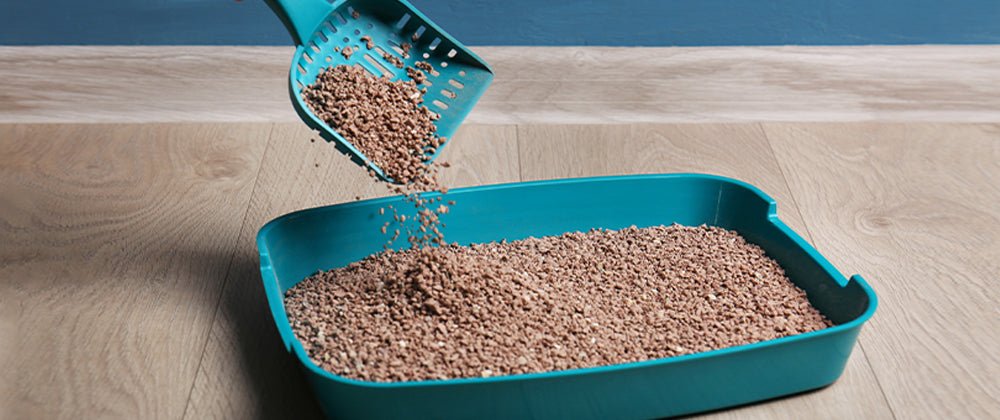
Scoop clumps and waste from the litter every day. This keeps the box tidy and reduces smells. Use a scoop with holes to let clean litter fall through. Scoop all solid waste and wet spots. Doing this daily helps keep litter fresh longer. It also makes the full litter change easier.
Complete Litter Change Guidelines
Change all the litter completely at least once a week. Empty the box and wash it with mild soap and water. Dry it fully before adding new litter. If you have many cats, change the litter more often. Too much old litter causes bad smells and bacteria. Fresh litter keeps your cat healthy and happy.
Maintaining A Clean Litter Box
Maintaining a clean litter box is important for your cat’s health and comfort. A tidy box encourages your cat to use it regularly. It also helps keep your home fresh and odor-free. Proper litter depth and regular cleaning are key to a clean litter box.
Cleaning Techniques
Scoop the litter box daily to remove waste. Use a small scoop with holes to separate clumps easily. Change the litter completely once a week or more often for multiple cats. Wash the box with warm water and mild soap. Avoid strong chemicals that can harm your cat. Dry the box well before adding fresh litter.
Preventing Odors
Use enough litter to cover the box floor about two to three inches deep. This helps absorb moisture and control smells. Add baking soda under the litter for extra odor control. Place the litter box in a well-ventilated area. Clean around the box regularly to remove stray litter and dust. Replace the litter promptly if it starts to smell.

Credit: www.worldsbestcatlitter.com
Adjusting Litter Amount For Multiple Cats
Adjusting the amount of cat litter is important for homes with more than one cat. Cats need clean, comfortable spaces to do their business. Using the right amount of litter helps keep the box fresh and inviting. It also reduces odors and mess. This section explains how to manage litter for multiple cats.
Litter Quantity Per Cat
Each cat needs enough litter to dig and cover waste. A good rule is to use about 2 to 3 inches of litter depth. For every cat, add this amount separately. For example, two cats need a deeper layer or two boxes. This prevents fights and keeps cats happy with their litter box.
Managing Shared Litter Boxes
Sharing a litter box is common but requires extra care. Use one box per cat, plus one extra if possible. This reduces stress and keeps boxes clean longer. Scoop waste at least twice daily and add fresh litter as needed. Clean boxes fully at least once a week. This keeps all cats healthy and comfortable.
Signs Your Cat Needs More Or Less Litter
Knowing the right amount of cat litter can be tricky. Cats show signs when they want more or less litter in their box. Watching these signs helps keep your cat happy and healthy. It also keeps your home clean and fresh.
Behavioral Indicators
Cats may avoid the litter box if there is too little litter. They might dig outside the box or use other areas. Some cats scratch the edges of the box more when litter is low. Too much litter can also confuse cats. They may not like stepping into deep litter. This can cause them to find a new spot to go. Pay attention to changes in your cat’s bathroom habits.
Health And Hygiene Concerns
Too little litter can cause poor odor control. It may lead to dirty paws and fur. Cats can develop infections from dirty litter boxes. Too much litter makes cleaning harder. Waste can hide under thick layers, causing smell and germs. A clean and balanced litter amount helps keep your cat healthy. It also prevents bad smells and messes in your home.

Credit: www.soysand.com
Credit: www.freshwaveworks.com
Frequently Asked Questions
How Deep Should Cat Litter Be In The Box?
Cat litter should be about 2 to 3 inches deep for best use and odor control.
How Often Should I Refill Cat Litter?
Refill the litter when the level drops below 1 inch to keep it comfortable for cats.
Can Too Much Cat Litter Harm My Cat?
Yes, too much litter can make digging hard and cause litter to scatter outside.
What Is The Ideal Litter Amount For Multiple Cats?
Use 3 to 4 inches of litter and consider having one box per cat plus one extra.
Does Litter Type Affect How Much To Use?
Yes, clumping litters usually need less depth than non-clumping ones for proper use.
How To Know If My Cat Litter Is Enough?
If your cat digs easily and there’s no odor, the litter amount is just right.
Conclusion
Finding the right amount of cat litter keeps your cat happy and clean. Too little litter can cause messes and odors. Too much can waste money and space. A layer about two to three inches deep usually works well. Keep the box fresh by scooping daily and changing litter regularly.
Watch your cat’s behavior to adjust the amount as needed. Small changes can make a big difference in cleanliness. Your cat’s comfort matters most. Keep it simple, clean, and comfortable for both you and your pet.
As an Amazon Associate, I earn from qualifying purchases.