Wondering how much chicken and rice you should feed your dog based on their weight in kilograms? You’re not alone.
Getting the right portions is key to keeping your furry friend healthy and happy. Feed too little, and your dog might feel hungry or lack energy. Feed too much, and you risk unwanted weight gain or digestive issues. You’ll discover simple guidelines to measure the perfect amount of chicken and rice for your dog’s size.
Keep reading to learn how to make mealtime balanced and stress-free for both you and your pet.
Daily Portion Guidelines
Feeding your dog the right amount of chicken and rice is key for good health. Daily portion guidelines help you provide the right nutrition. Dogs need different amounts based on their size, activity, and age. This guide breaks down how to adjust portions for your dog’s needs.
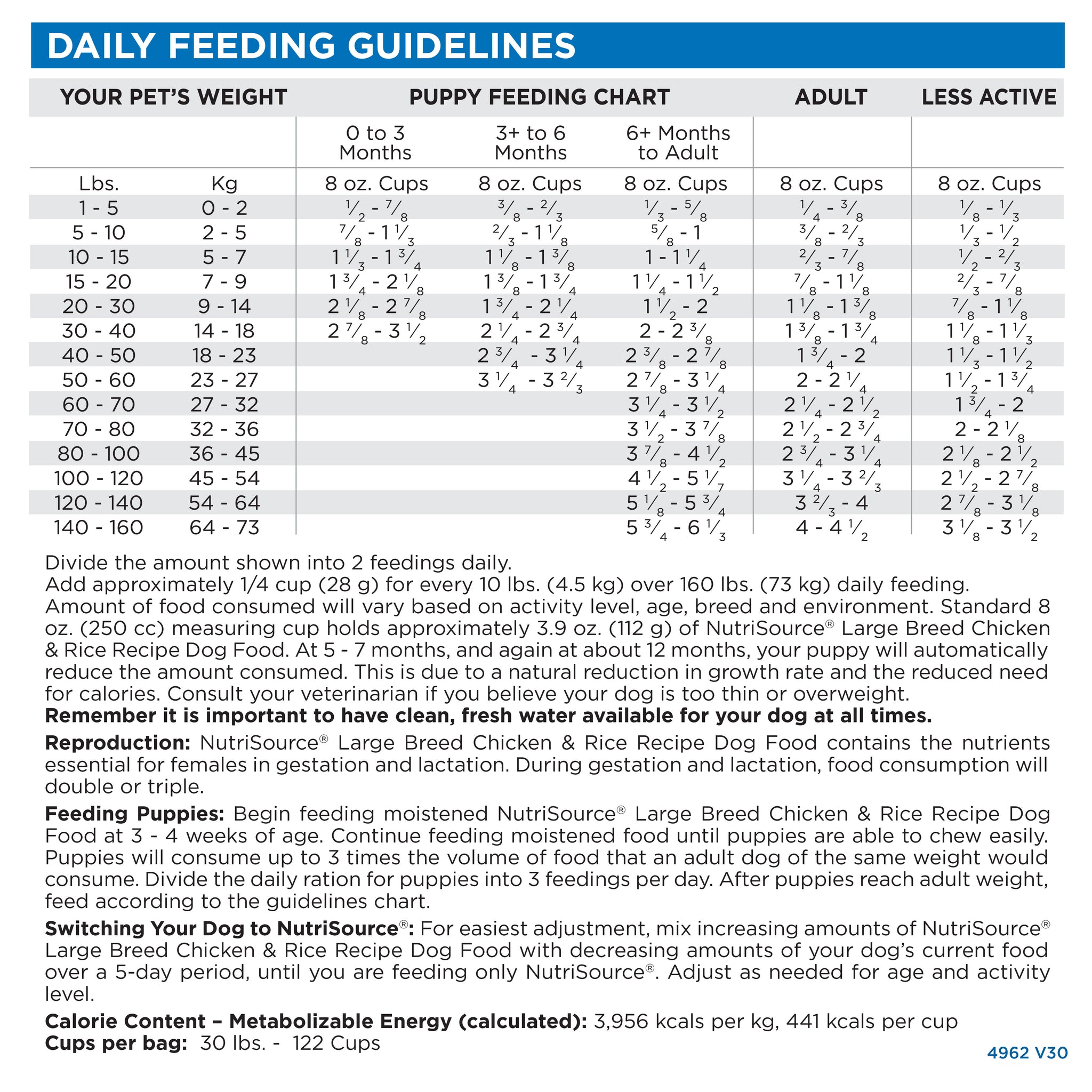
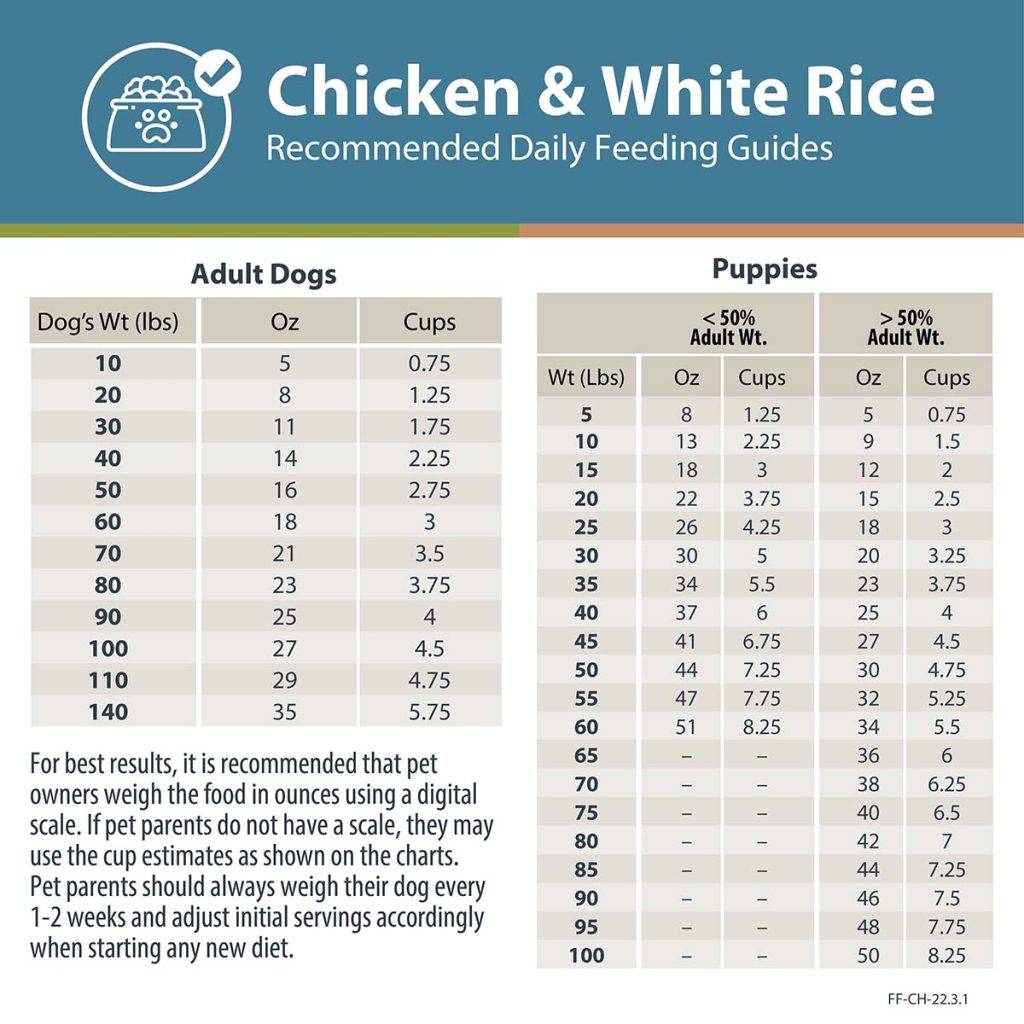
Feeding Amount By Dog Weight
Small dogs under 5 kg should have about 100-150 grams of chicken and rice daily. Medium dogs between 5 and 15 kg need 250-400 grams. Large dogs over 15 kg may require 500 grams or more. Split the food into two or three meals a day. Always watch your dog’s weight and adjust portions if needed.
Adjusting Portions For Activity Level
Active dogs burn more energy and need extra food. Increase chicken and rice by 10-20% for very active dogs. Less active or older dogs may need 10-20% less. Check your dog’s body condition regularly. Change portions based on how much your dog moves every day.
Age-based Feeding Recommendations
Puppies need more calories for growth, about 20% more food than adults. Senior dogs often eat less and need smaller portions. Adjust meals for your dog’s life stage to keep them healthy. Consult your vet for special diet advice for puppies or older dogs.
Credit: discovernutrisource.com
Balancing Chicken And Rice
Balancing chicken and rice in your dog’s diet is key for good health. Both ingredients give important nutrients. But the right amount of each matters a lot. Too much of one can cause problems.
Finding the right balance helps your dog get energy, protein, and easy digestion. This balance depends on your dog’s weight and health needs. Let’s explore the ideal ratio and benefits of chicken and rice.
Ideal Chicken To Rice Ratio
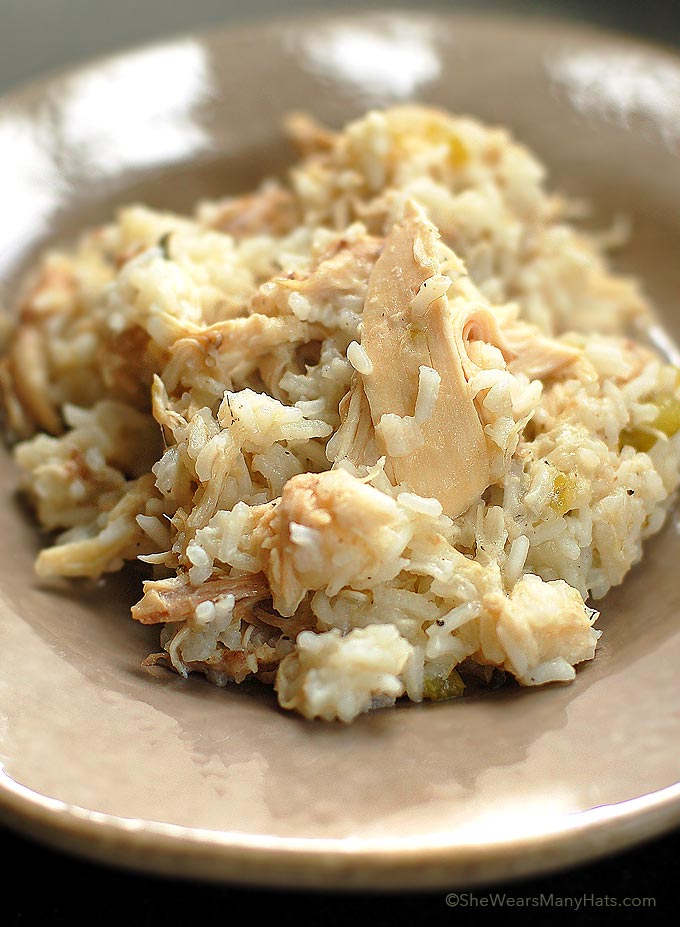
A common ratio is two parts chicken to one part rice by volume. This means more protein than carbs. For dogs weighing 10 kg, about 200 grams of chicken and 100 grams of rice works well. Adjust amounts for bigger or smaller dogs.
Too much rice can cause weight gain. Too much chicken may upset the stomach. Keep the ratio steady to avoid these issues. This balance supports steady energy and muscle health.
Nutritional Benefits Of Chicken
Chicken is a great source of lean protein. Protein helps build and repair muscles. It also supports the immune system. Chicken has vitamins like B6 and niacin. These help with energy and brain function. Low-fat chicken is easy to digest for dogs.
Cook chicken thoroughly to kill bacteria. Remove bones and skin to avoid choking or fat overload. Plain chicken is the best choice for dog meals.
Benefits Of Rice In Dog Diet
Rice is a simple carbohydrate that gives energy. It is gentle on the stomach and helps with digestion. White rice is often used during stomach upset. It provides quick energy without upsetting the gut.
Rice also adds fiber, which helps keep digestion regular. It is gluten-free, lowering allergy risks. Balanced rice intake supports overall health and keeps dogs active.
Preparing The Meal
Preparing the meal for your dog is an important step. It ensures your dog eats healthy and safe food. Proper preparation keeps the nutrients intact. It also avoids any risk of illness.
Focus on cooking chicken and rice correctly. Each ingredient needs special care. Follow simple steps to make the meal perfect for your dog.
Cooking Chicken Safely
Use fresh, lean chicken without bones. Boil or bake the chicken thoroughly. Avoid frying or using oil. Check that the chicken is fully cooked. Raw or undercooked chicken can cause health issues.
Cut the chicken into small pieces. This makes it easier for your dog to chew and digest.
Proper Rice Preparation
Choose plain white rice or brown rice. Rinse the rice to remove dirt. Cook the rice in clean water without salt. Use enough water for soft rice. Soft rice is easy for your dog to digest.
Let the rice cool before serving. Hot rice can burn your dog’s mouth.
Avoiding Harmful Additives
Do not add salt, spices, or sauces. These can upset your dog’s stomach. Avoid onions, garlic, and other toxic foods. Keep the meal simple and natural. This keeps your dog safe and healthy.
Always check the ingredients before cooking. Stick to plain chicken and rice for the best results.
Signs Of Proper Feeding
Proper feeding of chicken and rice for your dog means giving the right amount for its weight. It helps keep your dog healthy and happy. You can see signs that show if your dog is eating well. Watch your dog’s body and actions closely. They tell you if the food amount is right or needs change.
Monitoring Weight And Health
Check your dog’s weight regularly. It should stay steady, not drop or rise fast. Look at the coat too. A shiny, soft coat means good health. Watch for any signs of sickness or tiredness. These may mean feeding needs adjustment.
Behavioral Indicators
Notice your dog’s energy levels. Active and playful dogs usually eat well. If your dog seems tired or slow, check the feeding amount. Also, watch for hunger signs like begging or eating too fast. Too much food can cause laziness or stomach problems.
Adjusting Based On Results
Change the food portion if weight or behavior changes. Increase or decrease chicken and rice slowly. Keep track of any new signs after changes. This helps find the best feeding amount for your dog’s weight. Patience is key for good results.
Special Considerations
Feeding chicken and rice to your dog needs special care. Dogs have different needs based on their age, health, and allergies. Understanding these factors helps you give the right amount and keep your dog healthy.
Feeding Puppies Vs Adults
Puppies need more food than adult dogs for growth. Their small stomachs fill quickly but they require frequent meals. Give puppies chicken and rice in smaller, more frequent portions. Adult dogs eat less often but need balanced meals for energy. Adjust the amount based on your dog’s weight and activity level.
Handling Allergies And Sensitivities
Some dogs react to chicken or rice with itching or upset stomach. Watch for signs like redness or vomiting after feeding. Try a small amount first to check for allergies. If your dog shows symptoms, stop feeding chicken and rice. Look for hypoallergenic options or consult your vet for alternatives.
When To Consult A Veterinarian
Consult a vet if your dog loses weight or seems weak. Also seek advice if diarrhea or vomiting lasts more than two days. Vets help adjust diets for special health needs. They can recommend the right chicken and rice amount or other foods. Never hesitate to get professional help for your dog’s health.
Credit: yumwoof.com
Credit: plascene.com
Frequently Asked Questions
How Much Chicken Should I Feed My Dog By Weight?
Feed about 40% chicken of your dog’s total daily food weight in kg.
What Is The Right Rice Amount For Dogs By Weight?
Rice should be around 60% of your dog’s daily food weight in kg.
Can I Mix Chicken And Rice For My Dog’s Meal?
Yes, a mix of 40% chicken and 60% rice works well for dogs.
How To Calculate Dog Food Portions By Weight In Kg?
Multiply your dog’s weight by the recommended food percentage to get portions.
Is Chicken And Rice Good For All Dog Sizes?
Chicken and rice proportions stay similar, but total amounts change with dog size.
How Often Should I Feed Chicken And Rice To My Dog?
Feed chicken and rice meals 2 to 3 times daily for balanced nutrition.
Conclusion
Feeding your dog the right amount of chicken and rice keeps them healthy. Calculate portions based on your dog’s weight in kilograms. Too much food can cause weight gain and stomach issues. Too little can leave them hungry and weak.
Always watch how your dog reacts to the food. Adjust the amount if you see changes in energy or digestion. Consult your vet if you are unsure about portions. Balanced meals help your dog stay strong and happy every day.
Simple steps make feeding easy and safe.
As an Amazon Associate, I earn from qualifying purchases.