If you’re thinking about declawing your cat, one of the first questions on your mind is probably, “How much will this cost?” Understanding the expenses involved can help you make the best choice for your furry friend and your budget. You’ll get clear, straightforward information about the price of declawing, what factors affect the cost, and what you need to consider before making a decision.
Keep reading to learn everything you need to know before taking this important step.
Credit: vbspca.com
Declawing Basics
Understanding declawing is important before deciding on this procedure. It is a surgery that changes a cat’s paws. Many cat owners want to know what it means and why some choose it.
This section explains the basics of declawing. It covers what the surgery involves and reasons behind this choice.
What Declawing Involves
Declawing removes a cat’s claws by surgery. It is like cutting off the last bone of each toe. This is more than just trimming nails. The operation is done under anesthesia.
After surgery, cats may feel pain and need time to heal. The surgery can affect their balance and behavior. Many vets suggest other ways to manage scratching.
Reasons Some Owners Choose Declawing
Some owners choose declawing to protect furniture and home items. They may worry about scratches on people, especially children. It can stop cats from damaging walls and carpets.
In some cases, owners fear their cat may be given away. Declawing can seem like a solution to keep the cat at home. Still, it is important to think about the cat’s well-being first.
Surgical Costs
Understanding the surgical costs for cat declawing helps pet owners make informed decisions. This procedure involves removing the cat’s claws by amputating part of their toes. The price can vary based on several factors. Knowing these costs gives a clear idea of what to expect financially.
Average Price Range
The typical cost of declaw surgery ranges from $200 to $500. This price usually includes anesthesia and basic care. Some clinics may charge more for extra services. Prices can vary depending on the clinic’s location and reputation.
In some areas, the cost might be lower, around $100 to $150. High-end veterinary hospitals may charge up to $600 or more. It’s important to check with your local vets for accurate pricing.
Factors Affecting Surgery Cost
Several factors influence the final price of declaw surgery. The cat’s size and health can affect anesthesia and recovery needs. More complex cases require longer surgery time, raising costs.
Veterinary clinic location plays a big role. Urban clinics often charge higher fees than rural ones. The type of anesthesia and post-surgery care also impact the total cost.
Additional costs may include pain medication and follow-up visits. Some clinics offer package deals that cover these extra charges. Always ask for a full price estimate before scheduling the surgery.
Veterinary Fees
Veterinary fees make up a large part of the cost to declaw a cat. These fees cover all the care your pet needs before, during, and after the surgery. Knowing these costs helps you prepare better for the procedure.
Consultation Charges
The first step is a consultation with the vet. This visit lets the vet check your cat’s health and discuss the surgery. The consultation fee usually ranges from $50 to $100. This fee covers the vet’s time and advice. It also allows you to ask questions and understand the process.
Pre-surgery Tests
Your cat needs tests before surgery to ensure it is safe. These tests often include blood work and sometimes X-rays. The cost for these tests can be $100 to $200. They help detect any health issues that could cause problems during surgery. Healthy cats have fewer risks and better recovery.
Credit: www.embracepetinsurance.com
Post-surgery Expenses
After your cat’s declaw surgery, the costs do not stop. Post-surgery expenses are important to consider. These expenses help your cat heal comfortably and avoid problems.
Medications And Pain Relief
Medications keep your cat pain-free after surgery. Vets usually prescribe painkillers and antibiotics. These help reduce pain and prevent infections. The cost of these medicines varies by type and dosage. Expect to spend extra on these medicines for about a week or more.
Some cats need special ointments or sprays to heal faster. These also add to the post-surgery costs. Always follow the vet’s instructions carefully to keep your cat safe and comfortable.
Follow-up Visits
Follow-up visits are key to checking your cat’s recovery. The vet will inspect the surgery site and remove any bandages. These visits usually happen a few days after surgery. Sometimes, more visits are needed if problems arise.
Each follow-up visit may cost extra. This depends on the clinic and location. Plan for these visits in your budget to avoid surprises. Regular checks help catch issues early and keep your cat healthy.
Hidden And Long-term Costs
Getting a cat declawed may seem like a one-time cost. Many do not see the hidden and long-term expenses. These costs can add up and affect your cat’s health and behavior. Understanding these factors helps you make the right choice for your pet.
Behavioral Changes
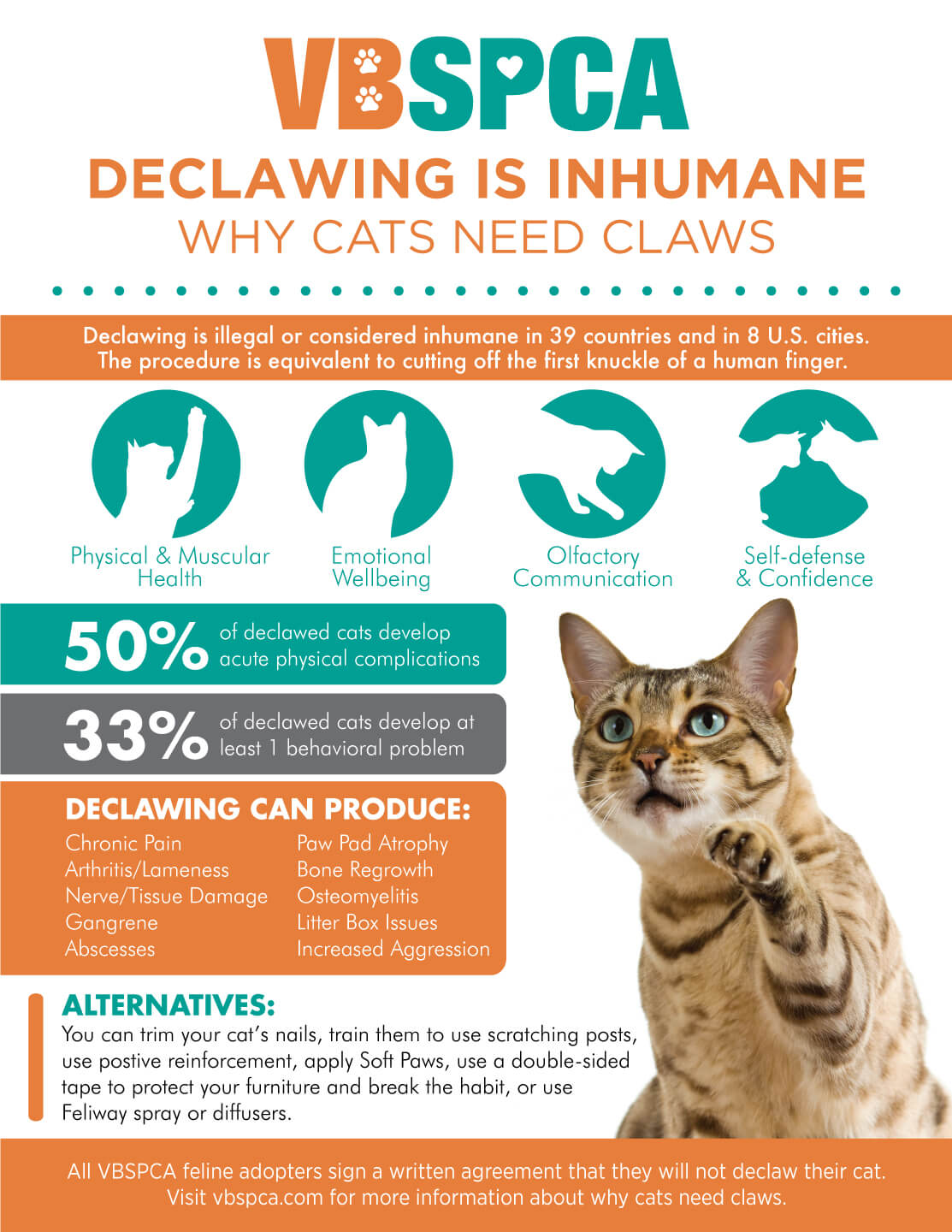
Declawing can cause big changes in your cat’s behavior. Cats use their claws for balance and defense. Without claws, they may feel more scared or stressed. Some cats stop using the litter box. They might bite more often to protect themselves. These changes can lead to extra time and money spent on training and care.
Potential Health Issues
Removing claws affects more than just the nails. It can cause pain and long-term health problems. Some cats develop arthritis in their paws. The surgery can lead to infections or nerve damage. These health issues may require visits to the vet and ongoing treatment. These costs are often not included in the initial price of declawing.
Alternatives To Declawing
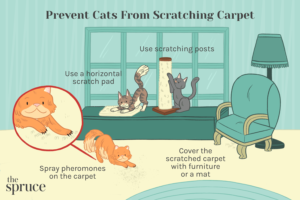
Declawing a cat can be painful and expensive. Many pet owners want safer options. Alternatives protect your cat’s health and keep your furniture safe. These methods help manage scratching naturally.
Nail Trimming And Caps
Regular nail trimming reduces sharpness. Shorter nails cause less damage. Trimming is easy to learn and cost-effective. It takes a few minutes every two weeks. Nail caps are soft covers glued on claws. They stop scratching without pain. Caps last for weeks and need replacement. Both methods keep your cat comfortable and your home safe.
Behavioral Training
Training changes how your cat scratches. Teach your cat to use scratching posts. Reward good behavior with treats or praise. Use deterrents on furniture to discourage scratching. Consistency is key in training success. Training takes time but is very effective. It helps build a strong bond with your pet. Behavioral training protects your cat and your belongings.
Legal And Ethical Considerations
Declawing cats is a topic that raises many legal and ethical questions. These concerns affect pet owners, veterinarians, and animal welfare groups. Understanding the rules and moral views helps make better choices for your cat’s health and happiness.
Laws Affecting Declawing
Many places have laws that restrict or ban declawing. Some states and countries consider it illegal because it harms cats. Other regions allow declawing only for medical reasons, not for convenience. Before choosing declawing, check local laws. This helps avoid fines and legal troubles.
Animal Welfare Perspectives
Animal experts often warn against declawing. The procedure removes parts of a cat’s toes, which can cause pain. It can also lead to behavior problems like biting or litter box issues. Many vets suggest safer alternatives, like nail trimming or scratching posts. These keep cats healthy and comfortable without harm.

Credit: vety.com
Frequently Asked Questions
How Much Does Cat Declawing Usually Cost?
Cat declawing costs range from $200 to $500 depending on location and vet fees.
Are There Extra Costs Besides The Declaw Surgery?
Yes, extra costs may include anesthesia, pain medication, and post-surgery care supplies.
Does Pet Insurance Cover Cat Declawing Surgery?
Most pet insurance plans do not cover declawing because it is often elective.
What Factors Affect The Price Of Cat Declawing?
Vet experience, clinic location, and type of anesthesia influence the total declawing cost.
Can Declawing Costs Vary By Cat’s Size Or Age?
Larger or older cats may cost more due to longer surgery and recovery times.
Is Declawing Cheaper At Animal Shelters Or Low-cost Clinics?
Shelters and clinics sometimes offer lower prices, but quality and care can vary widely.
Conclusion
Declawing a cat can cost quite a bit, depending on many factors. The price varies by vet, location, and your cat’s health. Remember, declawing is a serious decision with lasting effects. Think about your cat’s comfort and well-being first. There are other ways to protect furniture and keep claws in check.
Talk to your vet about safe options before making a choice. Taking care of your cat means understanding all costs and risks. Choose what is best for your furry friend’s health and happiness.
As an Amazon Associate, I earn from qualifying purchases.