Thinking about surrendering your cat but worried about the cost? You’re not alone.
Letting go of a pet can be tough, and knowing what expenses to expect makes the decision even harder. Whether it’s due to moving, allergies, or unexpected life changes, understanding how much it will cost to surrender your cat helps you plan better.
You’ll discover the real fees involved, what factors influence the price, and tips to make the process easier on both you and your furry friend. Keep reading to get clear answers and feel confident about your next steps.
Surrender Fees Basics
Surrendering a cat can be a difficult choice. Understanding surrender fees helps prepare for the process. These fees cover the care and handling of your cat after surrender. They vary depending on the shelter or rescue. Knowing the basics of these costs avoids surprises.
Standard Charges
Most shelters charge a basic surrender fee. This fee helps cover food, shelter, and medical care. The cost usually ranges from $50 to $150. Some places may charge more for purebred cats. The fee helps shelters manage many animals at once.
Additional Service Costs
Shelters may charge extra for special services. Vaccinations, spaying, or neutering often cost more. Microchipping your cat can also add to the fee. Some shelters offer discounts if your cat already has these. Extra costs depend on the cat’s health and needs.
Credit: www.mybeevet.com
Factors Affecting Surrender Costs
Surrendering a cat can involve different costs. These costs vary based on several factors. Understanding these factors helps prepare for the financial side of surrendering a cat.
Location And Shelter Policies
Costs depend on where you live. Different cities and states have varied fees. Some shelters charge a surrender fee, others do not. Policies vary by shelter type. Private shelters often charge more than public ones.
Urban areas may have higher fees due to demand. Rural shelters might have lower or no fees. Always check the shelter’s website or call to learn their rules.
Cat’s Age And Health
Older cats or those with health problems usually cost more. Shelters may require extra care or treatment. This care raises the surrender cost. Young and healthy cats often have lower fees. Some shelters offer discounts for kittens or cats in good health.
Timing And Availability
The time you choose to surrender affects the cost. Busy seasons or holidays might increase fees. Some shelters limit intake during certain times. Early appointments might be cheaper or required. Planning ahead can save money and stress.
Common Additional Expenses
Surrendering a cat can involve more than just the basic fees. Shelters and rescue groups often face extra costs. These expenses help keep cats healthy and ready for new homes. Understanding these common additional expenses can prepare you better.
Vaccinations And Medical Care
Cats need vaccines to prevent diseases. Shelters provide shots like rabies and feline distemper. Sometimes, cats need extra medical care. This can include treatments for infections or injuries. These costs add up to keep cats safe and healthy.
Microchipping Fees
Microchips help identify lost cats. Shelters often implant chips before adoption. This process has a small fee. It helps reunite cats with their owners quickly. The fee covers the chip and registration.
Behavioral Assessments
Shelters check cats’ behavior before adoption. This helps match cats with the right families. Assessments can cost money for staff time and resources. These tests improve the chance of a successful adoption.

Credit: nevadaspca.org
Alternatives To Surrendering
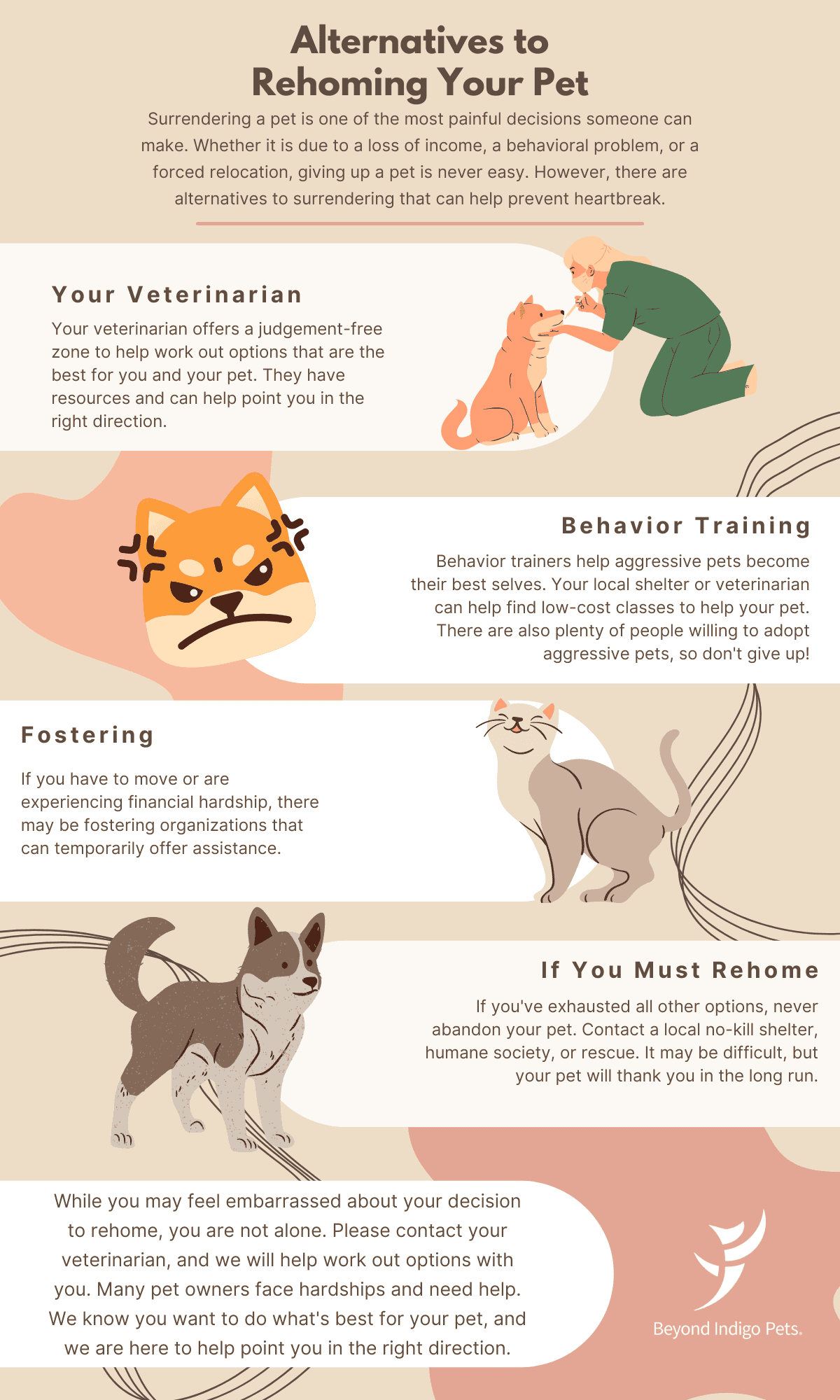
Surrendering a cat can feel like the only choice sometimes. Costs and worries pile up fast. Before deciding, explore other options that might keep your cat safe and happy. These choices also help avoid the stress of shelter environments for your pet.
Rehoming Options
Finding a new home yourself can save money and stress. Ask friends, family, or coworkers if they want a cat. Use social media to share your cat’s story and pictures. Post flyers at local pet stores or community centers. Make sure the new owner understands the cat’s needs.
Temporary Foster Care
Foster care offers a safe place for your cat while you solve problems. Many animal groups have foster programs for short-term help. This option keeps your cat out of shelters. It gives you time to improve your situation or find a new home. Foster families give love and care, easing your cat’s stress.
Seeking Help From Rescue Groups
Rescue groups often help with surrender costs or find homes. They focus on specific cat breeds or local areas. Contact them early to get advice and support. Some groups provide medical care and behavior training. Their goal is to find the best match for your cat.
Tips To Reduce Costs
Surrendering a cat can be costly. Many pet owners want to lower these expenses. Simple steps can help reduce costs without stress. Planning ahead and using available resources make a difference. Here are useful tips to save money while surrendering your cat.
Early Planning
Start planning before the need arises. Contact shelters early to learn about fees and rules. Some places offer lower fees for early notice. Preparing your cat’s paperwork and vaccination records saves time. Early planning helps avoid last-minute expenses and surprises.
Negotiating Fees
Ask shelters if they allow fee negotiation. Some shelters may reduce or waive surrender fees. Explain your situation clearly and politely. Offer to provide supplies or help with volunteer work. Negotiation can lead to lower costs or special arrangements.
Utilizing Community Resources
Look for local animal charities and rescue groups. They may offer free or low-cost surrender options. Community centers sometimes host pet surrender events with reduced fees. Use online forums or social media to find help nearby. These resources support pet owners and ease financial burdens.

Credit: www.wihumane.org
Frequently Asked Questions
How Much Does It Cost To Surrender A Cat At A Shelter?
Surrender fees range from $25 to $75 depending on the shelter’s policies and location.
Are There Hidden Fees When Surrendering A Cat?
Some shelters may charge extra for vaccinations or medical care before adoption.
Can Surrender Costs Vary By City Or State?
Yes, costs differ based on local regulations and shelter funding.
Is Surrendering A Cat Always Expensive?
No, some shelters offer low-cost or free surrender programs for pet owners.
What Payment Methods Do Shelters Accept For Surrender Fees?
Most shelters accept cash, credit cards, or checks for surrender payments.
Can Surrender Fees Be Waived Or Reduced?
Certain shelters waive fees for owners facing financial hardship or emergencies.
Conclusion
Surrendering a cat can involve different costs. These costs depend on the shelter or rescue group. Some places charge fees to cover care and medical needs. Others may accept cats for free but have limited space. It is important to ask about fees before deciding.
Preparing your cat’s paperwork helps the process go smoothly. Remember, surrendering is a serious step for you and your pet. Taking time to understand costs can ease your decision. Your cat deserves a safe and loving new home.
As an Amazon Associate, I earn from qualifying purchases.