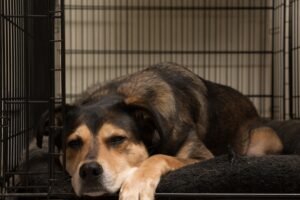
If you’re a dog owner, the thought of your furry friend needing a C-section can be worrying. You might be asking yourself, “How much will this cost?” Understanding the price of a C-section for your dog is important so you can prepare both emotionally and financially.
This isn’t just about numbers—it’s about making sure your pet gets the best care when it matters most. Keep reading to discover what affects the cost and how you can be ready to support your dog through this critical time.

Credit: vety.com
C Section Costs For Dogs
Knowing the cost of a C section for dogs helps pet owners plan better. This surgery can be necessary to save the mother and puppies during birth. Costs vary widely based on many factors. Understanding these helps you prepare financially and avoid surprises.
Average Price Range
The typical cost for a dog C section ranges from $500 to $3,000. Small dogs usually have lower costs. Larger breeds might cost more. Prices depend on the clinic and location. Some vets charge a flat fee. Others bill by the hour or service.
Factors Affecting Cost
The dog’s size affects surgery time and costs. Health problems can increase the price. The number of puppies also matters. More puppies mean longer surgery. Clinic reputation and vet experience influence fees. Anesthesia and medication costs add up too. Post-surgery care and hospital stay increase total charges.
Emergency Vs Scheduled Procedures
Scheduled C sections cost less than emergency ones. Emergency surgeries happen suddenly, needing quick action. Vets may charge extra for after-hours or urgent care. Emergency cases often need more resources. Scheduled surgeries allow better planning and lower fees. Early booking can reduce stress and cost.
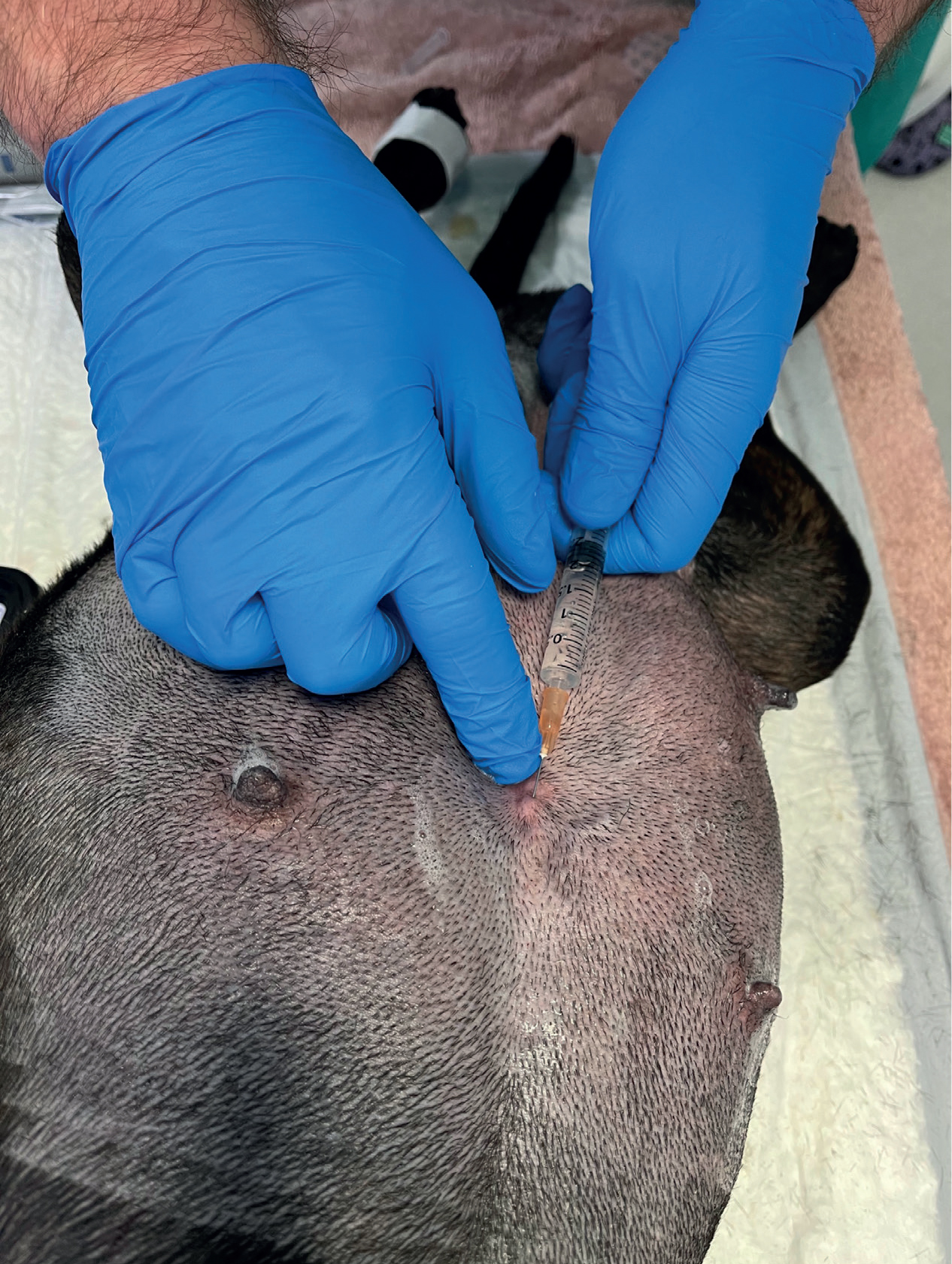
Credit: www.theveterinarynurse.com
Preparing For A Dog C Section
Preparing for a dog C section is important for a smooth surgery and quick recovery. Planning ahead helps reduce stress for both you and your pet. Knowing what steps to take can make the process easier and safer.
Choosing The Right Vet
Select a vet who has experience with dog C sections. Ask about their success rates and how many surgeries they perform yearly. A skilled vet ensures the best care for your dog and her puppies. Trust and comfort with the vet also matter a lot.
Pre-surgery Requirements
Your vet will give clear instructions before the surgery. Usually, your dog should fast for several hours before the procedure. Follow all advice carefully to avoid complications. Make sure your dog is healthy and calm before the surgery day.
What To Expect On Surgery Day
The vet will check your dog’s health once more before starting. Your dog will be given anesthesia to keep her pain-free. The surgery usually takes about an hour, depending on the situation. Afterward, your dog will rest in a warm, quiet place for recovery.
Post-operative Care
After a dog has a C-section, proper care is crucial. The recovery phase needs attention to help her heal well. Post-operative care supports the dog’s health and comfort during this time. It also prevents infections and complications. Understanding the recovery process, pain management, and wound care helps you provide the best support.
Recovery Process
The dog needs a quiet, warm place to rest. Limit her movement to avoid strain on the incision. Check her appetite and bathroom habits daily. Watch for signs of infection like redness or swelling. Follow the vet’s instructions on feeding and activity. Recovery usually takes about two weeks. Gentle care helps the dog regain strength faster.
Pain Management
Dogs feel pain after surgery. The vet will prescribe safe pain medicine. Give the medicine exactly as told. Do not skip doses or stop early. Avoid giving human painkillers, which can harm dogs. Observe your dog for signs of pain. Whining, licking the wound, or restlessness show discomfort. Proper pain control aids faster healing.
Wound Care Tips
Keep the incision clean and dry. Avoid bathing the dog until the vet says it is safe. Check the wound for discharge or bad smell. Use an Elizabethan collar to stop licking or biting. Change bandages only if the vet asks. Clean the area gently with vet-approved solutions. Early care prevents infections and promotes healing.
Risks And Complications
Having a C-section for your dog can save her and her puppies’ lives. Still, surgery carries risks. Knowing these risks helps you prepare and act fast if problems arise. Careful monitoring after surgery is very important.
Common Surgical Risks
Any surgery has risks. Infection at the cut site is common. Bleeding may happen during or after surgery. Anesthesia can cause reactions or breathing problems. Sometimes, organs near the uterus can get hurt. Pain and swelling are normal but must be watched closely.
Signs Of Trouble
Watch your dog for fever or weakness. Heavy bleeding or bad smell from the wound is a warning. Loss of appetite or vomiting can show infection. Puppies not nursing or crying a lot is also a concern. If your dog seems very tired or restless, something may be wrong.
When To Contact The Vet
Call your vet right away if you see swelling, bleeding, or discharge. If your dog stops eating or drinking, get help fast. Any breathing trouble or sudden behavior changes need urgent care. Early action can prevent serious problems and save lives.
Alternatives And Prevention
Understanding alternatives and prevention can lower the chances of a costly C section for your dog. Many dog owners prefer natural birth methods when possible. Planning and care help avoid emergencies and improve the health of both mother and puppies.
Natural Birth Options
Natural birth is often safer and less expensive than a C section. Most dogs can deliver puppies without surgery. Providing a quiet, comfortable space helps the process. Watch for signs of labor and assist only if needed. A vet check before birth ensures no hidden problems.
Breeding Considerations
Choosing the right breed reduces the need for C sections. Some breeds have a higher risk of birth complications. Avoid breeding dogs with a history of difficult labor. Consult a vet before breeding your dog. Proper timing and health checks improve chances of a smooth birth.
Preventing Emergency C Sections
Regular vet visits during pregnancy catch problems early. Maintain your dog’s health with good food and exercise. Know the signs of labor distress like long delays or weak contractions. Immediate vet care can prevent emergencies. Early action saves money and protects your dog’s life.

Credit: www.cliniciansbrief.com
Frequently Asked Questions
How Much Does A Dog C-section Usually Cost?
A dog C-section often costs between $500 and $3,000, depending on location and vet fees.
What Factors Affect The Price Of A Dog C-section?
Costs vary due to dog size, emergency status, vet experience, and hospital charges.
Is A Dog C-section Covered By Pet Insurance?
Some pet insurance plans cover C-sections, but coverage depends on your specific policy.
How Can I Prepare Financially For My Dog’s C-section?
Save money early, check pet insurance, and ask your vet about payment plans.
What Risks Come With A Dog C-section Surgery?
Risks include infection, anesthesia issues, and longer recovery time for the dog.
Can I Prevent Needing A C-section For My Dog?
Breeding healthy dogs and regular vet check-ups lower the chance of needing surgery.
Conclusion
A C section for a dog can vary in cost depending on many factors. These include location, vet experience, and the dog’s health. Knowing the price helps you prepare financially for your pet’s care. Always choose a trusted vet to ensure the best outcome.
Taking quick action can save your dog’s life and puppies. This surgery is important when natural birth is risky or impossible. Planning ahead makes the process less stressful for everyone involved. Caring for your dog means understanding all possible medical needs.
As an Amazon Associate, I earn from qualifying purchases.