Are you curious about owning a prairie dog or just want to know how much one costs? Understanding the price of a prairie dog can help you decide if this unique pet fits your lifestyle and budget.
But the cost is more than just a number—it reflects care, health, and the commitment you’ll need to provide. Keep reading to discover the real price of a prairie dog and what you should consider before bringing one home. Your perfect furry friend might be closer than you think.

Credit: www.ifaw.org
Prairie Dog Basics
Prairie dogs are small, burrowing rodents. They live in groups and have unique habits. Understanding their basics helps in knowing their value and care needs. Here is a simple guide to prairie dog basics.
Species And Varieties
There are five main species of prairie dogs. The most common is the black-tailed prairie dog. Others include the white-tailed and Gunnison’s prairie dog. Each species has different sizes and colors. Knowing the species helps in identifying and caring for them.
Habitat And Behavior
Prairie dogs live in North American grasslands. They build large underground tunnels called “towns.” These towns protect them from predators and harsh weather. Prairie dogs are social animals. They communicate with sounds and body movements. They spend much time digging, eating, and watching for danger.
Suitability As Pets
Prairie dogs can be pets but need special care. They need space to dig and play. They are active and social, requiring attention and interaction. Their diet includes fresh vegetables and grains. They may not be suitable for all homes. Understanding their needs ensures a happy pet and owner.
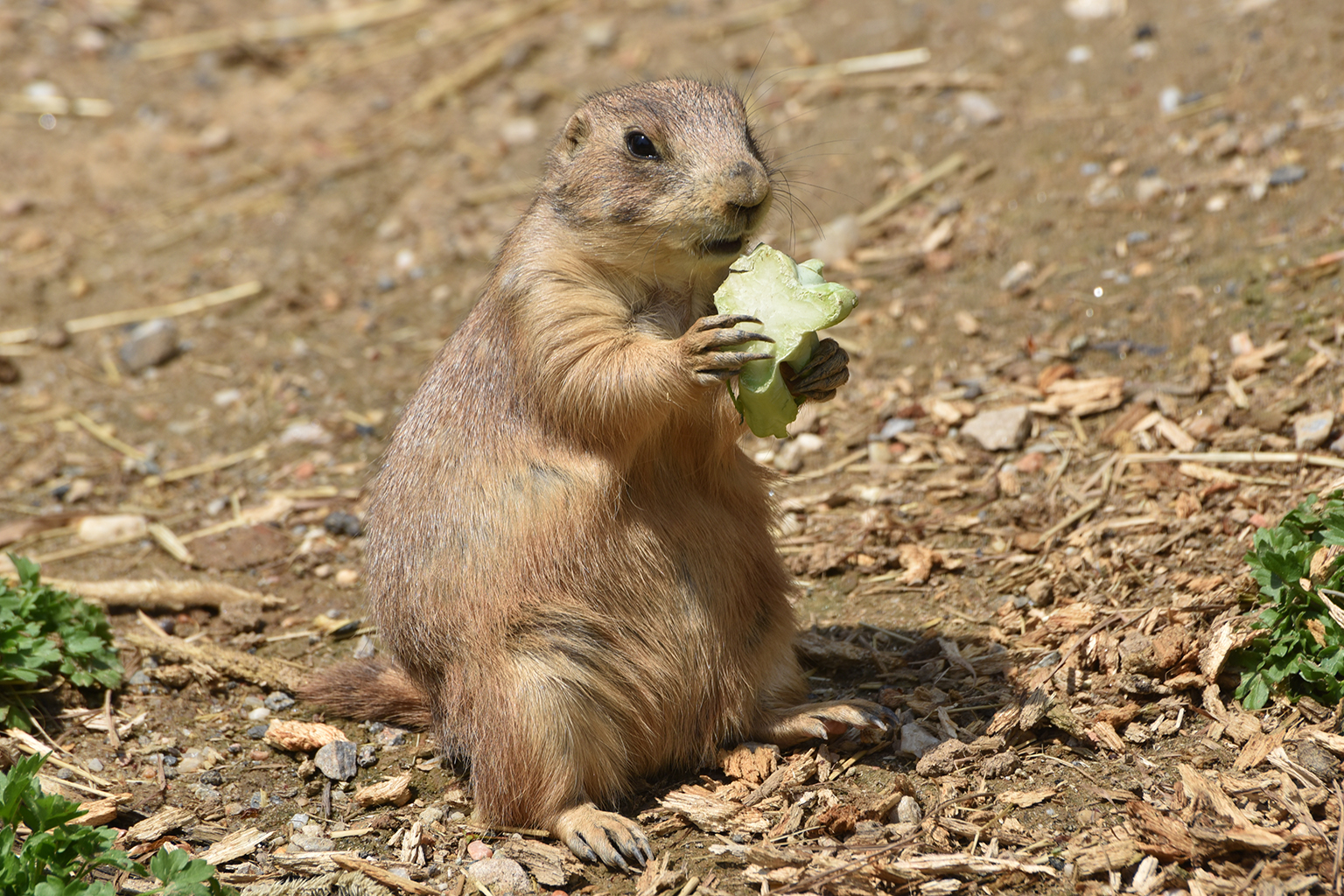
Credit: www.marylandzoo.org
Factors Influencing Prairie Dog Prices
Many factors affect the price of a prairie dog. Understanding these helps buyers make smart choices. Prices vary based on different qualities and conditions of the prairie dog.
Age And Size
Young prairie dogs usually cost less than adults. Babies need more care but are easier to train. Larger prairie dogs often cost more due to their size. Size also shows the health and growth of the animal.
Health And Vaccinations
Healthy prairie dogs have higher prices. Vaccinated pets are safer and often cost more. Sellers who provide health records may charge extra. Buyers prefer animals with clear health history.
Breed And Rarity
Some breeds of prairie dogs are rare. Rare breeds usually have higher prices. Common breeds are more affordable and easier to find. Breed quality influences the animal’s value.
Source And Location
Where you buy a prairie dog changes its price. Local sellers may offer lower prices than distant ones. Shipping and transportation add to the total cost. Animals from reputable breeders often cost more.
Price Ranges For Prairie Dogs
Understanding the price range for prairie dogs helps you plan your budget. Prices vary depending on age, type, and other costs. Knowing these details guides you in making a good choice. Let’s explore the typical price ranges for prairie dogs.
Standard Price Range
Most prairie dogs cost between $30 and $100. This range covers healthy adult prairie dogs from breeders or pet stores. Prices depend on location and availability. Common colors and types fall into this range.
Costs For Baby Prairie Dogs
Baby prairie dogs often cost more than adults. Expect to pay around $50 to $150 for a baby prairie dog. Babies need extra care and special handling. This affects their price compared to older prairie dogs.
Premium And Rare Types
Rare prairie dog breeds or special colors can cost $150 or more. These prairie dogs are less common and highly sought after. Their unique traits make them more expensive than standard types.
Additional Fees And Supplies
Buying a prairie dog is not just the price of the pet. You need to pay for a cage, bedding, and food. Vet visits and vaccinations add to the cost. These extra fees can add $100 or more to your budget.

Credit: www.jandaexotics.com
Where To Buy Prairie Dogs
Finding a prairie dog to bring home starts with knowing where to buy one. Prairie dogs are not common pets, so choices are limited. Each source offers different benefits and challenges. Understanding these options helps you make a smart decision.
Breeders And Farms
Specialized breeders and farms raise prairie dogs for pets. These places offer healthy animals with proper care. Breeders often provide advice on prairie dog care. Prices here may be higher due to quality and care. You get a prairie dog with known background and health records.
Pet Stores
Some pet stores sell prairie dogs. Availability depends on store size and location. Pet stores offer convenience and immediate purchase. But health and care history may be limited. Always check the animal’s condition before buying.
Online Marketplaces
Online marketplaces list prairie dogs for sale by various sellers. This option provides many choices and price ranges. Buyers should research seller reputation carefully. Shipping can stress prairie dogs, so check delivery methods. Online buying requires more caution and planning.
Adoption And Rescue Options
Adoption centers and rescue groups sometimes have prairie dogs. Adopting saves an animal and supports rescue efforts. These prairie dogs may need special care or rehabilitation. Adoption fees are usually lower than buying new. Consider adoption for a prairie dog needing a home.
Ongoing Costs After Purchase
Owning a prairie dog involves more than just the initial cost. Ongoing expenses are important to consider for their well-being. These costs cover housing, food, health care, and fun activities. Understanding these helps you plan better for your pet’s needs. This section breaks down the main ongoing costs.
Housing And Habitat Setup
Prairie dogs need a safe, spacious home to stay happy. Their habitat requires regular cleaning to keep it healthy. Bedding materials and cage upgrades may need replacing over time. Proper housing protects them from stress and illness. Budget for these supplies regularly.
Food And Nutrition
Good food is vital for prairie dogs’ health. Fresh vegetables, grasses, and pellets form their main diet. You must buy quality food often to keep them strong. Treats can be added but in small amounts. Consistent nutrition helps prevent sickness and boosts energy.
Veterinary Care
Regular check-ups with an exotic pet vet are essential. Prairie dogs can get common illnesses requiring treatment. Vaccinations and parasite prevention add to health costs. Emergency visits might happen unexpectedly. Setting aside money for vet care avoids stress later.
Toys And Enrichment
Prairie dogs need mental and physical stimulation daily. Toys like tunnels, chew blocks, and climbing structures keep them busy. Rotating toys avoids boredom and destructive behavior. Spending on enrichment items supports their natural instincts. This keeps your pet active and content.
Legal And Ethical Considerations
Owning a prairie dog involves more than just cost. Legal rules and ethical choices matter a lot. Understanding these can help you decide if a prairie dog is the right pet for you. It protects the animal and respects the law.
Ownership Regulations
Many places have laws about owning prairie dogs. Some states or countries ban them as pets. Others require special permits. Check local rules before buying a prairie dog. Breaking laws can lead to fines or losing the pet.
Conservation Status
Prairie dogs are part of the wild ecosystem. Some species face threats from habitat loss and disease. Their population may be protected by law. Taking prairie dogs from the wild is often illegal. Support conservation by choosing pets responsibly.
Ethical Pet Ownership
Prairie dogs need special care and space. They live in groups and need social interaction. Keeping them alone can harm their health. Provide proper diet, habitat, and attention. Think about their well-being before owning one. Ethical care means a happy and healthy pet.
Tips For Budgeting Your Prairie Dog Purchase
Buying a prairie dog involves more than just the initial cost. Budgeting carefully helps avoid surprises and keeps your pet happy. Understanding the expenses ensures you provide proper care without stress.
Consider all costs before making a purchase. This includes the price of the prairie dog and ongoing care expenses. Planning ahead saves money and effort later.
Comparing Prices
Prices vary between breeders and pet stores. Check several places to find a fair price. Don’t choose only by price—quality and health matter too.
Some breeders offer discounts for multiple pets. Look for deals but be cautious of prices that seem too low. They may hide problems or poor care.
Planning For Long-term Care
Prairie dogs need food, a cage, toys, and vet visits. These costs add up over time. Budget monthly for food and supplies.
Vet care is important to keep your prairie dog healthy. Set aside money for regular check-ups and emergencies. Think about the lifespan of your pet—care can last many years.
Avoiding Scams
Scams can cost money and cause stress. Always buy from trusted sources. Check reviews and ask for health records.
Be wary of sellers asking for full payment upfront without proof of the animal. Never send money through untraceable methods. Protect yourself by verifying the seller’s identity and reputation.
Frequently Asked Questions
How Much Does A Prairie Dog Cost On Average?
A prairie dog usually costs between $20 and $100 depending on age and source.
Where Can I Buy A Prairie Dog Legally?
You can buy prairie dogs from licensed breeders or exotic pet stores.
What Factors Affect The Price Of A Prairie Dog?
Age, health, breed, and seller location affect the price of prairie dogs.
Are Prairie Dogs Expensive To Care For?
Prairie dogs need a proper diet and habitat, which can cost moderately.
Is It Legal To Own A Prairie Dog As A Pet?
Ownership laws vary by state; check local rules before buying one.
What Additional Costs Come With Owning A Prairie Dog?
Costs include food, cage, vet visits, and possible habitat upgrades.
Conclusion
Prairie dogs can cost different amounts depending on many things. Age, health, and where you buy them all matter. Remember to think about their care and habitat needs too. They need space to dig and live happily. Owning a prairie dog means time and effort.
Choose carefully to keep your pet safe and healthy. This helps you enjoy your prairie dog for many years.
As an Amazon Associate, I earn from qualifying purchases.