Thinking about bringing a male cat into your home? You might be wondering, “How much is it to nurture a male cat?”
Taking care of a furry friend is a big commitment, and understanding the costs involved helps you prepare better. From food and vet visits to toys and unexpected expenses, knowing what to expect can save you stress and keep your cat happy and healthy.
Keep reading, and you’ll discover everything you need to know to give your new companion the best life possible—without breaking the bank.
Initial Expenses
Nurturing a male cat starts with some important initial expenses. These costs cover everything needed before your cat settles into your home. Understanding these expenses helps you prepare well and care for your new pet properly.
Adoption And Purchase Fees
Adoption fees vary widely depending on the shelter or rescue group. Some shelters charge a small fee to cover vaccinations and basic care. Buying a male cat from a breeder can cost much more. Prices depend on breed, age, and pedigree. Always check what the fee includes before you pay.
Initial Health Checkups
Your new cat needs a thorough health exam soon after arrival. The vet checks for any diseases or parasites. Vaccinations start during this visit. Expect to pay for these services separately. These checkups protect your cat’s health and your home.
Spaying And Neutering Costs
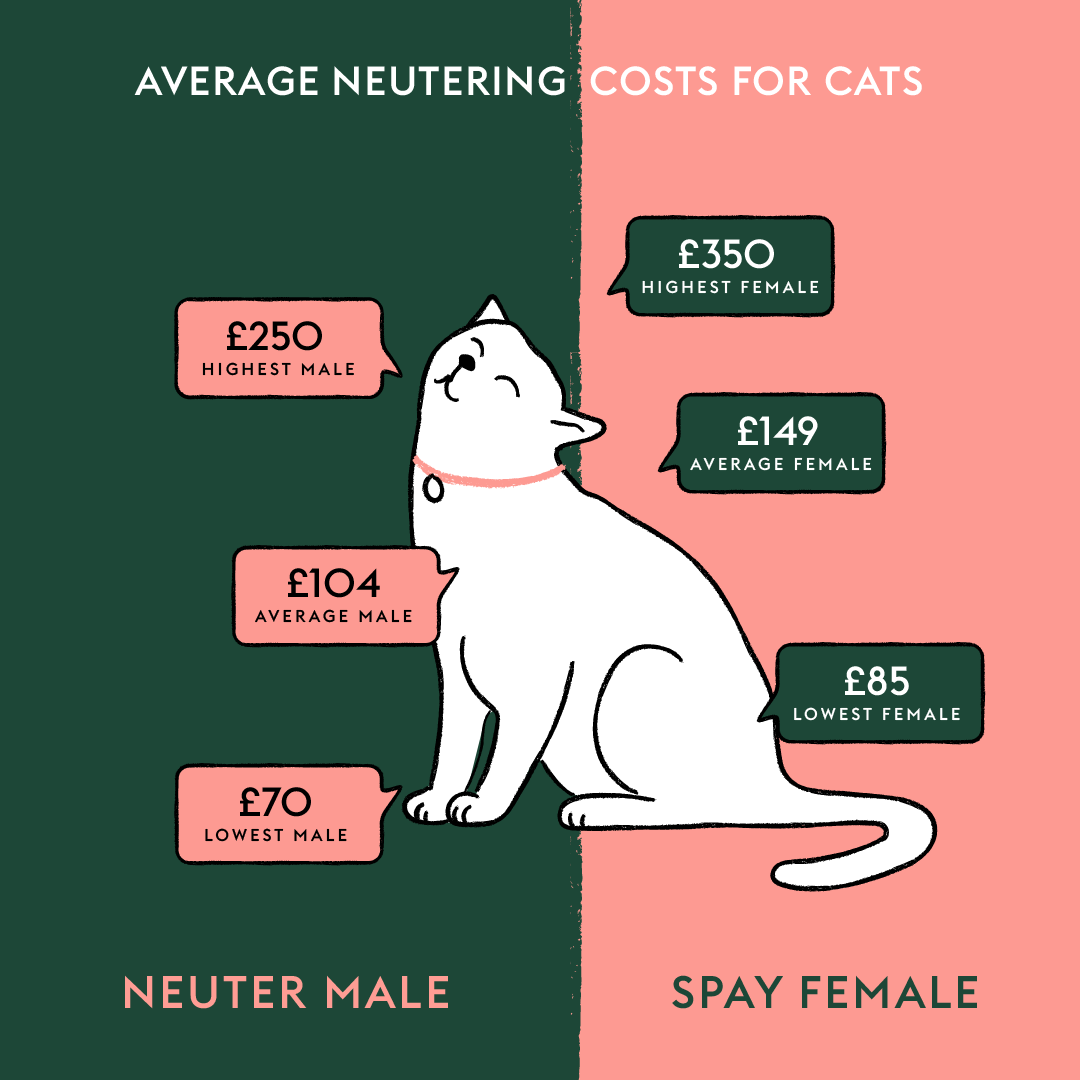
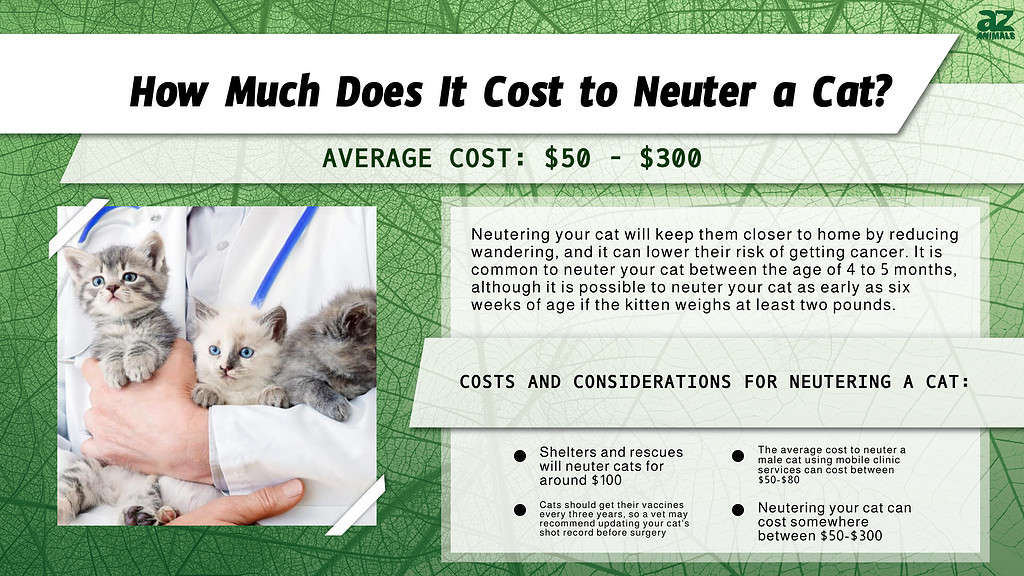
Neutering is important to prevent unwanted litters and behavior problems. The cost depends on the clinic and your location. Many animal shelters offer low-cost neutering services. This surgery helps keep your cat healthy and calm.
Basic Supplies
Before bringing your male cat home, buy some basic supplies. You will need a litter box, food and water dishes, and a comfortable bed. Toys and scratching posts keep your cat active and happy. These items make your home ready for your new friend.
Credit: manypets.com
Feeding Costs
Feeding a male cat is a key part of his care and health. The cost varies based on the type of food and your cat’s needs. Knowing what affects feeding costs helps you budget well. Understanding this can keep your cat happy and healthy.
Choosing The Right Food
Pick food that matches your cat’s age and health. Dry kibble is often cheaper and lasts longer. Wet food costs more but offers more moisture. Some owners mix both types for balance. Quality matters more than price alone. Avoid very cheap food; it may lack nutrients.
Monthly Food Budget
A male cat usually eats about 1/2 cup of dry food daily. This can cost between $20 and $50 each month. Wet food can raise this cost to $40 or more. The brand and where you buy also change prices. Plan your budget to avoid running out of food.
Special Dietary Needs
Some male cats need special diets for health issues. Kidney problems or allergies require special foods. These diets cost more than regular cat food. Talk to your vet about the best options. Special food helps your cat live a longer life.
Healthcare Expenses
Taking care of a male cat means spending on his health regularly. Healthcare expenses cover many areas to keep your cat happy and safe. Regular visits to the vet and proper care help avoid big problems later.
Routine Vaccinations
Vaccinations protect your cat from common diseases. These shots are needed yearly or every few years. Costs vary by location but usually stay affordable. Keeping vaccines up to date helps prevent serious illnesses.
Flea And Parasite Control
Fleas and parasites cause discomfort and health issues. Monthly treatments stop infestations early. You can buy medicines from vets or pet stores. Regular control saves your cat from itching and infections.
Emergency And Unexpected Vet Visits
Accidents or sudden sickness need quick vet care. Emergency visits cost more than regular check-ups. Setting aside money for surprises helps manage these times. Early treatment often lowers long-term costs.
Dental Care
Dental health is crucial for your cat’s well-being. Regular teeth cleaning prevents infections and pain. Vet dental services vary in price but are worth it. Healthy teeth support better eating and comfort.

Credit: icatcare.org
Grooming And Hygiene
Grooming and hygiene are key parts of caring for a male cat. They help keep your cat healthy and comfortable. Good grooming also reduces shedding and hairballs. Regular care protects your cat’s skin and coat. It also helps you spot health problems early.
Regular Grooming Tools
Basic grooming tools include a brush, comb, and nail clippers. A soft brush suits short-haired cats. Long-haired cats need a comb to prevent tangles. Nail clippers keep claws at a safe length. You can find these tools at pet stores for low cost. Using these tools often keeps your cat clean and neat.
Professional Grooming Services
Some owners choose professional groomers for their cats. Groomers handle baths, haircuts, and nail trims. This service costs more but saves time and effort. Professional grooming suits cats with thick or long fur. It also helps cats who dislike home grooming. Prices vary but expect to pay around $40 to $70 per session.
Litter And Cleaning Supplies
Maintaining a clean litter box is part of hygiene. Choose clumping litter for easy cleaning. Scoop daily to avoid bad smells and bacteria. Litter mats can help keep floors clean. Cleaning sprays keep the litter area fresh. These supplies usually cost $10 to $30 each month.
Entertainment And Comfort
Male cats need both fun and comfort to stay happy and healthy. Toys and cozy spots help keep them active and relaxed. Providing the right items can also reduce stress and prevent bad habits. Spending on entertainment and comfort is important for a cat’s well-being.
Toys And Play Items
Toys keep a male cat busy and sharp. Simple balls, feather wands, and laser pointers are popular choices. These toys cost from $5 to $20 each. Interactive toys encourage exercise and mental activity. Rotating toys every few weeks keeps your cat interested.
Comfortable Bedding
A soft bed gives your cat a safe place to rest. Beds come in many shapes and sizes. Prices range from $15 to $50. Placing the bed in a quiet spot helps your cat feel secure. Washable covers keep bedding fresh and clean.
Scratching Posts And Climbing Structures
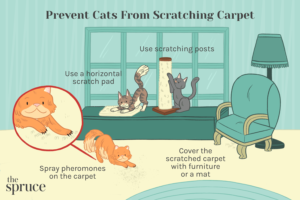
Scratching posts protect furniture and keep claws healthy. Posts cost between $20 and $60. Climbing structures add fun and exercise opportunities. They may cost $50 or more. Choose sturdy designs to support your cat’s weight. These items help prevent boredom and promote good behavior.
Training And Behavior
Training and behavior shape a male cat’s daily life and your home’s harmony. Good behavior reduces stress and creates a happy environment for both you and your pet. Understanding how to train your cat and manage its behavior is key to a smooth relationship.
Training Tools
Training tools help teach your cat new habits and stop bad ones. Simple items like clickers, treats, and toys work well. Clickers signal the cat when it does something right. Treats reward good behavior quickly. Toys keep your cat active and focused. These tools cost between $10 and $50, depending on quality and brand.
Professional Behavior Assistance
Some cats need extra help with behavior problems. Professionals like trainers or behaviorists offer advice and plans. They can fix issues like aggression or litter box problems. Sessions usually cost $50 to $150 each. Investing in this help can save money later and improve your cat’s life.
Long-term Financial Planning
Nurturing a male cat involves costs that extend over many years. Planning your finances for the long term helps avoid surprises. It ensures your cat gets the care he needs without stress on your budget. Smart planning covers daily needs and unexpected expenses. This section explores ways to prepare financially for your cat’s future.
Insurance Options
Pet insurance can reduce large medical bills. It covers accidents, illnesses, and sometimes routine care. Choose a plan that fits your budget and your cat’s health needs. Read the policy carefully for covered treatments and limits. Insurance helps spread out costs instead of paying a big amount at once.
Saving For Unexpected Costs
Unexpected health issues can cause sudden expenses. Setting aside money monthly builds an emergency fund. Even small amounts add up over time. This fund acts as a safety net for vet visits or medicines. It gives peace of mind knowing you are prepared for surprises.
Budgeting Tips
Track your spending on food, litter, and toys each month. Look for ways to save without lowering quality. Buy in bulk or use coupons to cut costs. Plan for annual vet visits and vaccinations as fixed expenses. Regular budgeting keeps your finances steady and your cat happy.
Credit: neslihandolar.com
Frequently Asked Questions
How Much Does It Cost To Feed A Male Cat Monthly?
Feeding a male cat usually costs $20 to $40 per month, depending on food quality.
What Are The Vet Expenses For A Male Cat Yearly?
Vet visits and vaccinations for a male cat average $100 to $300 yearly.
How Much Is Neutering A Male Cat?
Neutering a male cat typically costs between $50 and $150 once.
What Are Grooming Costs For A Male Cat?
Grooming a male cat at home is free; professional grooming costs $30 to $50.
How Much Does Cat Litter Cost Monthly?
Cat litter costs about $10 to $20 per month for a single male cat.
Are There Extra Costs For Male Cat Toys And Accessories?
Toys and accessories usually cost $10 to $50 yearly, depending on your choices.
Conclusion
Nurturing a male cat requires time and money. Costs vary with food, vet visits, and toys. Regular care keeps your cat happy and healthy. Planning your budget helps avoid surprises later. Cats bring joy that often outweighs expenses. Small efforts lead to a strong bond with your pet.
Caring well means your cat lives a long life. Think of the costs as an investment in love.
As an Amazon Associate, I earn from qualifying purchases.