Losing a beloved cat is heartbreaking, and you might be wondering if taxidermy is a way to keep their memory alive. But how much does it actually cost to taxidermy a cat?
You probably have questions about the process, the price, and whether it’s worth it for your furry friend. You’ll find clear answers that help you decide what’s best for you and your pet. Keep reading to discover everything you need to know before making this important choice.
Credit: www.ctpublic.org
Cat Taxidermy Basics
Understanding cat taxidermy helps you decide if it suits your needs. This process preserves your cat’s appearance after it passes away. Many pet owners choose taxidermy to keep memories alive.
Taxidermy involves skill and care to maintain the cat’s natural look. Knowing the basics can guide you through choices and costs. It also helps you communicate clearly with taxidermy professionals.
What Is Cat Taxidermy
Cat taxidermy is the art of preserving a cat’s body. It uses special techniques to keep fur, shape, and features intact. The process removes internal organs and replaces them with materials for support.
The goal is to create a lifelike representation of your cat. This art form requires experience and respect for the animal. The final product can be a lasting tribute to your pet.
Popular Styles For Cats
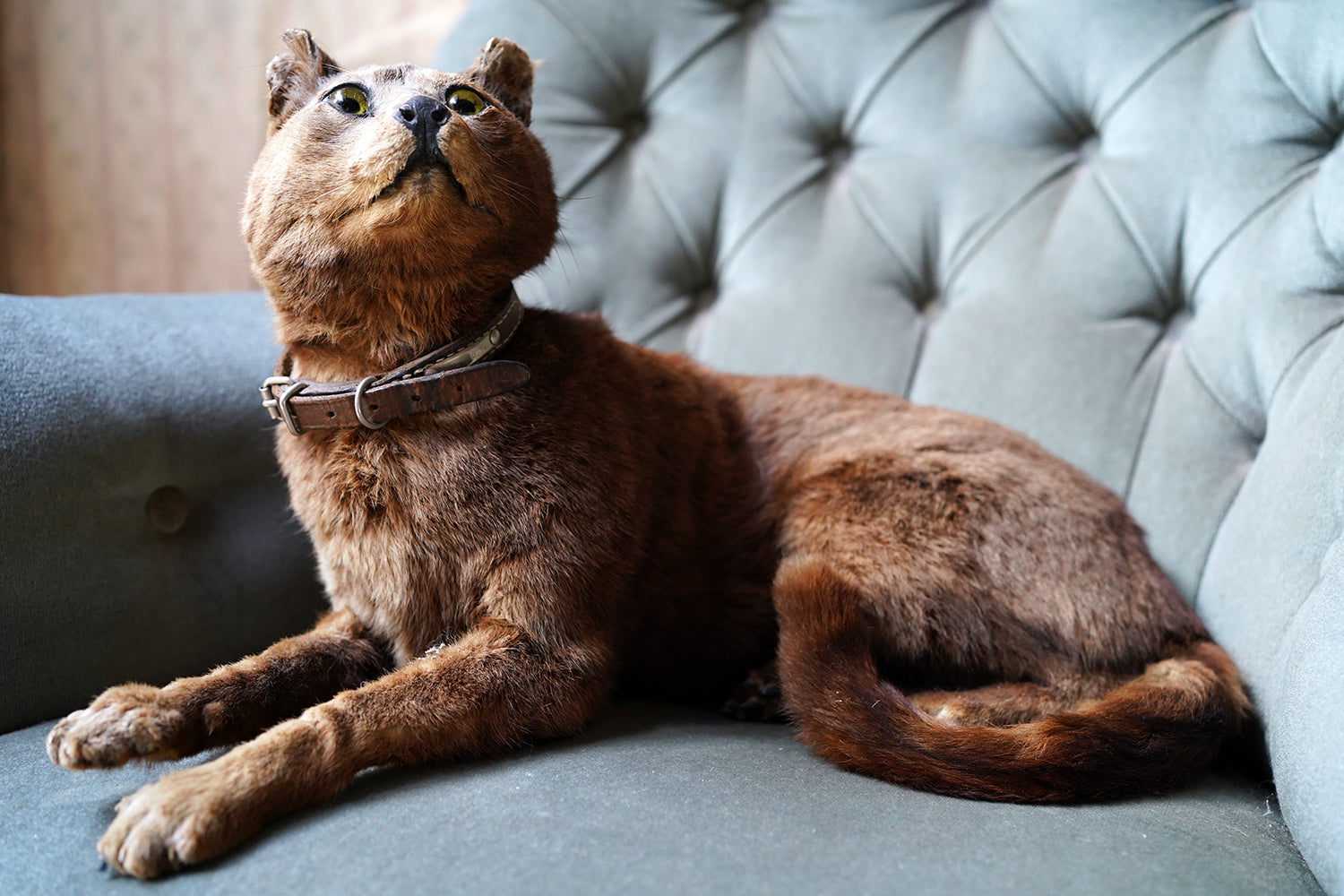
Several styles exist to suit different tastes and needs. The most common is the full mount, showing the entire cat in a natural pose. This style often captures the cat sitting or lying down.
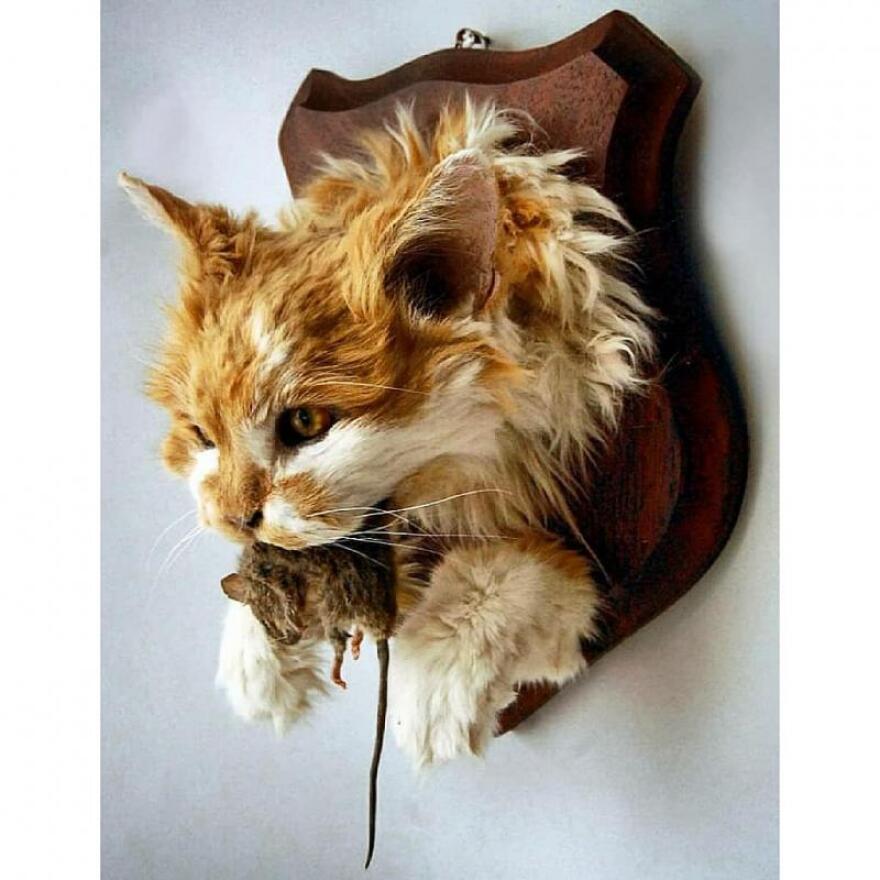
Another style is the shoulder mount, focusing on the cat’s head and neck. It highlights the facial features and expression. Some choose a custom pose for a unique display.
These styles vary in price and complexity. Choosing the right one depends on your budget and preferences.
Factors Influencing Cost
The cost of taxidermying a cat varies widely. Several factors affect the final price. Understanding these helps set clear expectations.
Each taxidermy project is unique. The cost depends on the cat’s size, condition, and the chosen style. Other elements like preservation methods and location also play a role.
Size And Condition Of The Cat
Larger cats need more work and materials. This increases the price. Cats in poor condition may require extra repair. Damage or decay adds to the cost. A healthy, small cat usually costs less.
Type Of Mounting Style
Different mounting styles affect pricing. A simple standing mount is often cheaper. Poses with more detail or action cost more. Custom poses add to the complexity. The more detailed, the higher the cost.
Preservation Techniques
Taxidermists use various preservation methods. Some methods last longer but cost more. Basic preservation is less expensive but may fade faster. High-quality materials and chemicals raise the price. Proper preservation keeps the cat looking natural.
Geographic Location
Prices vary by location. Urban areas usually have higher costs. Rural or less populated places may charge less. Local demand and competition influence pricing. Travel or shipping fees can add to the total cost.
Typical Price Ranges
Taxidermy prices for cats can vary widely. Many factors affect the final cost. Size, pose, and detail matter a lot. Materials and artist skill also play a role. This section breaks down typical price ranges.
Budget Options
Basic cat taxidermy often costs between $200 and $500. These options usually have simple poses. Materials may be less durable or realistic. The process takes less time. Good for those on a tight budget.
Mid-range Services
Mid-range taxidermy usually costs from $500 to $1,200. These include more lifelike poses and better materials. Artists spend more time on detail and finishing. The cat may have glass eyes and natural fur positioning. A good balance of quality and cost.
Premium Taxidermy
Premium services start around $1,200 and can go up to $3,000 or more. These feature custom poses and fine details. Artists use the best materials and techniques. The final piece looks very lifelike and polished. Often chosen for special keepsakes or display.
Credit: www.doeandhope.com
Additional Expenses
Taxidermy for a cat involves more than just the basic fee. Additional expenses can add up and change the final price. These costs cover extra services or special needs.
Shipping And Handling
Shipping the cat to the taxidermist costs extra. The price depends on the distance and package size. Proper packing is needed to keep the cat safe. Some taxidermists include this fee, while others charge it separately.
Restoration And Repairs
Old or damaged cats may need repairs before taxidermy. Fixing tears, missing fur, or broken parts costs extra. Restoration work requires skill and time. This service raises the overall price but improves the final look.
Custom Requests
Custom work includes special poses, eyes, or bases. These options make the mount unique and personal. Custom requests require more time and effort. Expect to pay more for these personalized touches.
Choosing The Right Taxidermist
Choosing the right taxidermist is key to preserving your cat’s memory well. The process requires skill and care. Not all taxidermists offer the same quality or style. Taking time to find a good one ensures the final work will meet your hopes. Trust matters a lot in this personal service.
Researching Credentials
Start by checking the taxidermist’s qualifications. Look for licenses or certifications in taxidermy. This shows they have formal training. Experience counts too. A taxidermist with many years in the field likely knows how to handle delicate pets. Ask about their background before making a choice.
Reviewing Past Work
Look at photos of their previous projects. Good taxidermists often share galleries of their work. This helps you see their style and skill. Pay attention to detail and realism. Also, read customer reviews to learn about others’ experiences. Happy clients usually mean quality service.
Communicating Your Vision
Clear communication is important. Share how you want your cat preserved. Discuss poses, expressions, and any special requests. A good taxidermist listens well and answers questions. They should explain the process and what to expect. This keeps surprises away and builds trust.
Alternatives To Traditional Taxidermy
Traditional taxidermy is not the only way to preserve your cat’s memory. Many pet owners seek other options. These alternatives often cost less and look different. They also require less time and care. Exploring these choices can help you find the best fit for your feelings and budget.
Freeze-drying
Freeze-drying preserves your cat’s body with a natural look. The process removes moisture slowly at cold temperatures. It keeps fur soft and colors bright. This method is less messy than traditional taxidermy. It usually costs less and takes less time. Many pet owners like freeze-drying for its realism and gentle approach.
Casting And Replicas
Casting creates a copy of your cat’s body or paw prints. Artists use materials like resin or plaster. The result is a solid, lasting replica. These pieces can be painted to match your cat’s colors. This option is great for those who want a keepsake but not a full mount. It also helps preserve special details like a paw or nose.
Memorial Art
Memorial art offers a creative way to honor your cat. This includes paintings, drawings, and sculptures. Artists capture your cat’s personality in their work. Some use your cat’s fur or ashes in the art. Memorial art is often more personal and emotional. It fits well for those who want a tribute without a physical body.

Credit: www.taxidermyuk.net
Frequently Asked Questions
How Much Does Cat Taxidermy Usually Cost?
Cat taxidermy typically costs between $300 and $1,500 depending on size and detail.
What Factors Affect The Price Of Cat Taxidermy?
Size, preservation method, pose, and taxidermist experience influence the final price.
How Long Does Cat Taxidermy Take To Complete?
It usually takes 4 to 8 weeks for a taxidermist to finish a cat mount.
Can I Choose The Pose For My Cat’s Taxidermy?
Yes, most taxidermists allow you to pick a pose for a natural look.
Is Cat Taxidermy Safe For Indoor Display?
Taxidermied cats are safe indoors when preserved and sealed properly by experts.
Where Can I Find A Trusted Cat Taxidermist Near Me?
Search online reviews, ask local vets, or contact taxidermy associations for recommendations.
Conclusion
Taxidermy costs for cats vary based on size and detail. Simple mounts cost less, while lifelike ones need more skill and time. Choosing a trusted taxidermist ensures quality work and respect for your pet. Knowing the price helps plan your budget clearly.
Remember, this art keeps memories alive in a special way. Take time to research and ask questions before deciding. Your cat’s memory deserves care and attention.
As an Amazon Associate, I earn from qualifying purchases.