Are you wondering when the right time is to get your cat fixed? Knowing how old your cat should be before surgery is important for their health and wellbeing.
You want to make the best choice for your furry friend, but the answer isn’t always simple. You’ll discover the key facts about the ideal age for spaying or neutering your cat. By the end, you’ll feel confident about making the right decision to keep your cat happy and healthy for years to come.
Keep reading to find out everything you need to know!

Credit: the-pediatric-dietitian.com
Ideal Age For Spaying Or Neutering
Choosing the right time to spay or neuter a cat is important. It helps keep your cat healthy and controls the pet population. Vets suggest different ages based on the cat’s health and lifestyle. Understanding these options helps you decide the best time for your cat.
Early Age Procedures
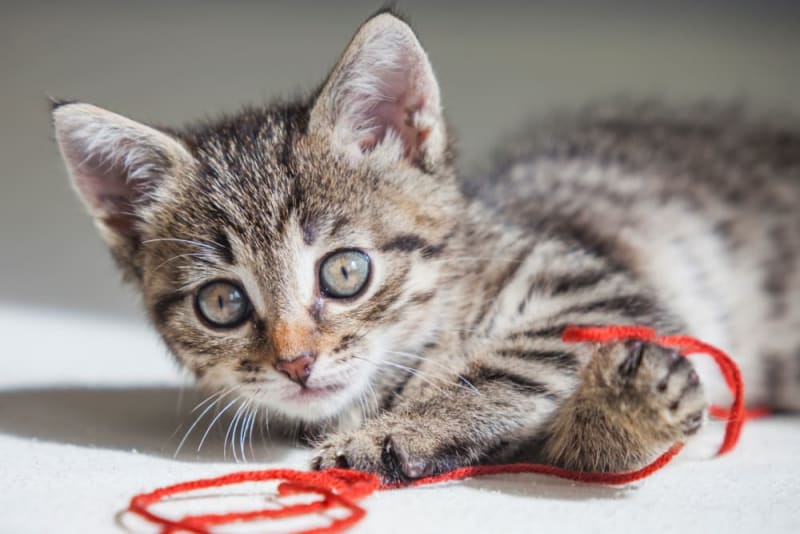
Many vets recommend spaying or neutering kittens as early as eight weeks old. Early age procedures are safe and effective. Kittens recover quickly and face fewer risks from surgery. These procedures also prevent unwanted litters sooner.
Standard Age Recommendations
The common age for spaying or neutering is between five and six months. At this age, cats are mature enough for surgery. Most shelters and clinics follow this guideline. It balances safety and early prevention of reproductive issues.
Late Age Considerations
Some cats get fixed after one year or more. Late age surgery may be needed if the cat was adopted late. Older cats might have more risks during surgery. Vets check overall health before proceeding. Spaying or neutering later still helps prevent health problems.
Benefits Of Early Fixing
Fixing a cat early has many benefits for both the pet and the owner. It helps protect your cat’s health and can improve its behavior. Early fixing also plays a big role in controlling the cat population. Knowing these benefits can help you decide the right time to spay or neuter your cat.
Health Advantages
Early fixing lowers the risk of serious health problems. It can prevent infections in the reproductive organs. Spaying female cats before their first heat reduces the chance of breast cancer. Neutering male cats stops testicular cancer and reduces prostate issues. Cats fixed early often live longer and stay healthier.
Behavioral Improvements
Fixing cats early helps reduce unwanted behaviors. Neutered males usually roam less and fight less. Spayed females don’t go into heat, avoiding yowling and restlessness. Early fixing lowers the chance of spraying strong-smelling urine. Cats tend to be calmer and more affectionate after fixing.
Population Control Impact
Early fixing helps control the cat population. It stops unplanned litters that can add to stray cat numbers. Fewer stray cats mean fewer animals in shelters. This reduces the burden on animal rescue groups. Spaying and neutering early is a simple step to help many cats live better lives.
Risks And Precautions
Spaying or neutering a cat is common, but it carries some risks. Knowing the risks helps pet owners prepare well. Careful attention before, during, and after surgery makes a big difference. This section covers key risks and safety tips.
Potential Health Concerns
Some cats may have reactions to surgery. Bleeding or infection can happen if the wound is not clean. Young kittens might face more risks due to their small size. Illnesses like anemia or heart problems increase surgical risks. Talk to your vet about your cat’s health before the operation.
Anesthesia Safety
Anesthesia is needed for fixing cats. It helps them stay still and pain-free. Anesthesia risks rise with age and health problems. Vets check blood work to ensure safety. Monitoring during surgery lowers the chance of problems. Older or sick cats need extra care with anesthesia.
Post-surgery Care
After surgery, cats need rest and calm. Keep them indoors to avoid injury or infection. Watch the surgery site for redness or swelling. Give medicines exactly as the vet says. Limit your cat’s activity for at least a week. Follow all instructions to help your cat heal fast.
Signs Your Cat Is Ready
Knowing when your cat is ready to be fixed is important for their health and behavior. Some signs show physical and behavioral readiness. A vet’s advice also helps confirm the best time. Watch your cat closely for clues. These signs guide you to make the right choice.
Physical Maturity Indicators
Your cat’s body shows clear signs of readiness. Look for full growth in size and weight. The cat’s fur becomes thick and shiny. The ears stand tall and alert. Check if the cat has all adult teeth. These changes suggest your cat is physically ready.
Behavioral Cues
Behavior can hint at your cat’s maturity. Increased marking with urine can appear. Male cats may spray to mark territory. Females might show heat cycles with yowling. Your cat may become restless or more active. These behaviors suggest hormonal changes and readiness.
Vet Assessments
A vet can give the best advice on timing. They check overall health and growth. The vet may perform a physical exam. Blood tests can ensure the cat is strong enough. Follow the vet’s guidance for a safe procedure.
Special Cases And Exceptions
Some cats need special care before getting fixed. These cases require different timing or extra attention. Understanding these exceptions helps keep cats safe and healthy.
Pregnant Cats
Spaying a pregnant cat is possible but not common. Vets usually wait until after the cat gives birth. The surgery is more complex and risky during pregnancy. Some owners choose to spay early to avoid future litters.
Health Issues
Cats with health problems need extra evaluation. Illness or infections can delay spaying or neutering. Vets may treat the condition first. Surgery happens only when the cat is stable and strong.
Breed-specific Guidelines
Some cat breeds grow slower or faster. This changes the best time for fixing. Large breeds may need to wait longer. Small breeds can be fixed earlier. Always follow your vet’s advice for your cat’s breed.
Credit: www.nolanavet.com
Preparing Your Cat For Surgery
Preparing your cat for surgery helps ensure a smooth operation and quick recovery. It reduces risks and keeps your cat calm. Knowing what to do before the surgery makes the process easier for both of you.
Pre-surgery Checklist
Make sure your cat is healthy before surgery. Check for any signs of illness or injury. Talk to your vet about vaccinations and medications. Arrange a quiet, safe spot for your cat after surgery. Gather any supplies your vet recommends, such as a carrier or special food.
Diet And Fasting
Your cat should not eat before surgery. Follow your vet’s instructions on fasting times. Usually, no food is given 8 to 12 hours before surgery. Water may be allowed until a few hours before. Fasting helps prevent complications during anesthesia.
Emotional Comfort
Keep your cat calm and relaxed before surgery. Spend quiet time petting and talking softly. Avoid loud noises or sudden movements. Bring a favorite blanket or toy to the vet. Your calm behavior will help your cat feel safe.
Aftercare Tips For A Smooth Recovery
After your cat is fixed, proper care is key for a fast and safe recovery. Gentle care helps avoid problems and keeps your cat comfortable. This section shares simple tips to support your cat during healing.
Watch your cat closely. Small actions can make a big difference in recovery time. Follow these steps to help your pet heal well.
Monitoring And Medication
Check the surgery site daily for swelling or redness. Small bleeding or clear fluid is normal. Call your vet if you see pus or strong odor.
Give all medicines exactly as the vet says. Do not stop pills early, even if your cat seems better. Pain medicine helps your cat stay calm and still.
Activity Restrictions
Keep your cat inside for at least a week. Avoid running, jumping, or rough play. Use a quiet room with food, water, and a litter box.
Limit climbing or jumping on furniture. Use a small crate or playpen if needed. Let your cat rest and heal without stress.
When To Contact The Vet
Call your vet if your cat stops eating or drinking. Watch for vomiting, diarrhea, or trouble breathing. These signs may need quick care.
If your cat is very sleepy or not waking up, get help fast. Also, contact your vet for high fever or if the surgery site looks worse. Early action keeps your cat safe.

Credit: dalpozzo.com.br
Frequently Asked Questions
At What Age Should A Cat Be Spayed Or Neutered?
Cats are usually fixed between 4 to 6 months old, before they reach sexual maturity.
Can Kittens Be Fixed Before Six Months?
Yes, vets often spay or neuter kittens as early as 8 weeks if they weigh enough.
Why Fix Cats Early Instead Of Waiting?
Early fixing helps prevent unwanted litters and reduces some health and behavior issues.
Are There Risks In Fixing Very Young Kittens?
Fixing young kittens is generally safe when done by experienced vets with proper care.
How Does Fixing Affect A Cat’s Health?
Spaying or neutering can lower risks of certain cancers and reduce roaming or aggression.
Will Fixing Change My Cat’s Behavior?
Cats often become calmer and less likely to spray or fight after being fixed.
Conclusion
Cats should be fixed around five to six months old. This age helps prevent unwanted litters and health issues. Early fixing can reduce risky behaviors like spraying or roaming. Talk with your vet to choose the best time for your cat.
Spaying or neutering helps your cat live a healthier life. It also supports better behavior and comfort. Taking this step shows you care for your pet’s future. Simple, safe, and smart.
As an Amazon Associate, I earn from qualifying purchases.