Are you wondering how old your cat should be before considering declawing? It’s a question many cat owners face, but the answer isn’t simple.
Your cat’s age plays a big role in how safe and effective the procedure can be. Understanding the right timing can help protect your furry friend’s health and comfort. Keep reading to discover important facts that will guide you in making the best choice for your cat’s well-being.

Credit: northwoodanimal.com
Cat Declawing Basics
Understanding the basics of cat declawing helps you make informed decisions. Declawing is a surgical procedure that some cat owners consider. It is important to learn what it involves and why some owners choose it. Also, knowing the controversies and ethics around declawing can guide you better.
What Is Declawing
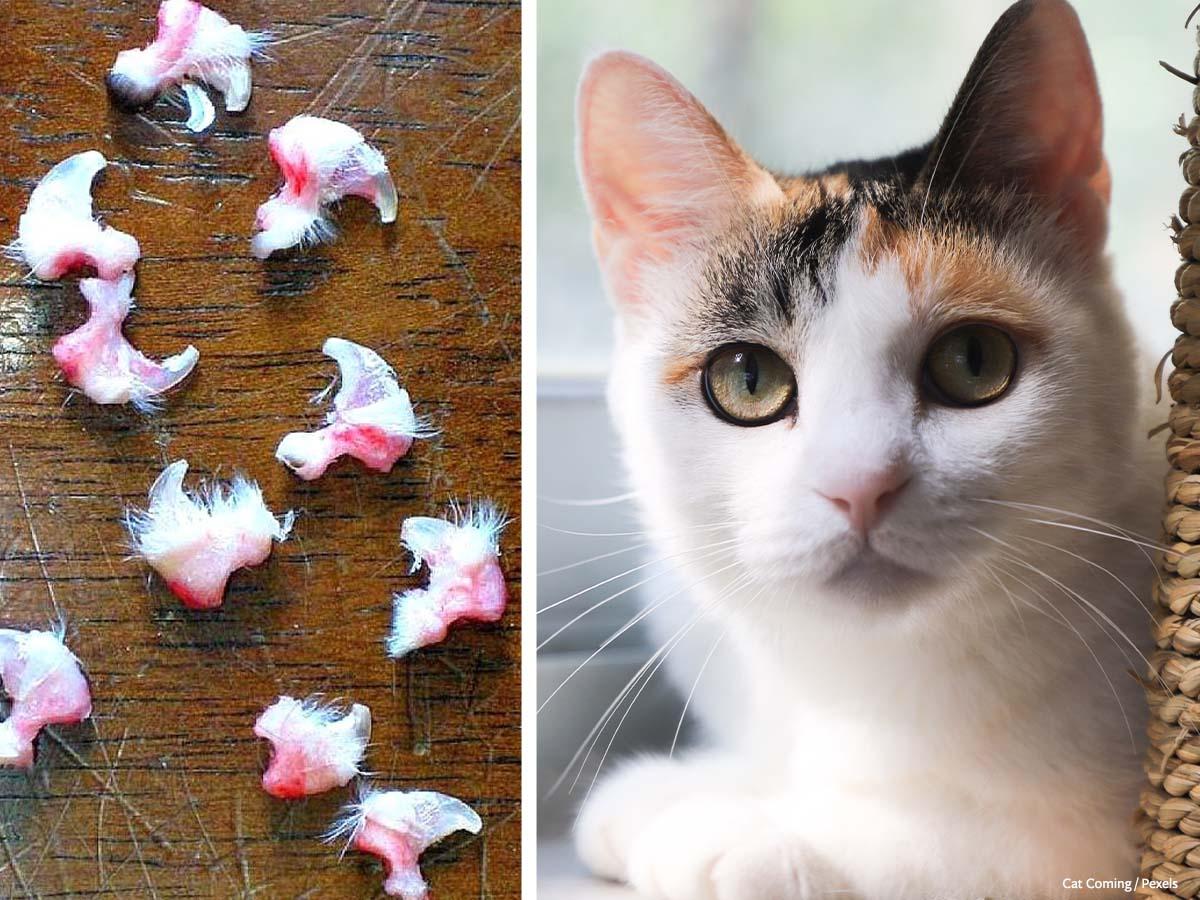
Declawing is the removal of a cat’s claws by cutting off the last bone of each toe. This surgery is more than just nail trimming. It is a serious operation that affects the cat’s paws and can change its behavior. It is usually done in a veterinary clinic under anesthesia.
Reasons Owners Choose Declawing
Some owners choose declawing to prevent damage to furniture. Others worry about scratches from their cat. It can help families with small children feel safer. In some cases, declawing is done for medical reasons, like infections or injuries. Still, it is a choice that needs careful thought.
Controversies And Ethics
Many experts and animal groups oppose declawing. They say it causes pain and long-term harm to cats. Declawing can affect how cats walk and use their paws. Some countries and states have banned the procedure. The ethical debate focuses on the cat’s welfare and rights.
Credit: berkeleyhumane.org
Ideal Age For Declawing
Deciding the right time to declaw a cat is important for its health and recovery. The ideal age helps reduce pain and complications. It also supports faster healing after the procedure. Understanding the best age to declaw helps pet owners and vets plan carefully.
Common Age Range
Most cats considered for declawing are between 3 and 6 months old. This age is early enough before claws become sharp and strong. Kittens at this stage are still growing, making surgery easier. Older cats may face longer recovery times and more risks.
Developmental Factors
Kittens’ bones and tissues are softer at a young age. This softness helps them heal faster after surgery. Their claws are not fully developed, which means less damage. Waiting too long can make declawing more painful and complex.
Veterinarian Recommendations
Veterinarians usually advise declawing only if absolutely necessary. They suggest the procedure early, often around 3 to 4 months old. This timing limits stress and pain for the cat. Vets also recommend other options before choosing declawing.
Health Impacts Of Declawing
Declawing is a serious choice for any cat owner. It affects the cat’s health in many ways. Understanding the health impacts helps make a better decision. Declawing is not just removing nails. It involves removing part of the toes, which can cause pain and problems.
Short-term Effects
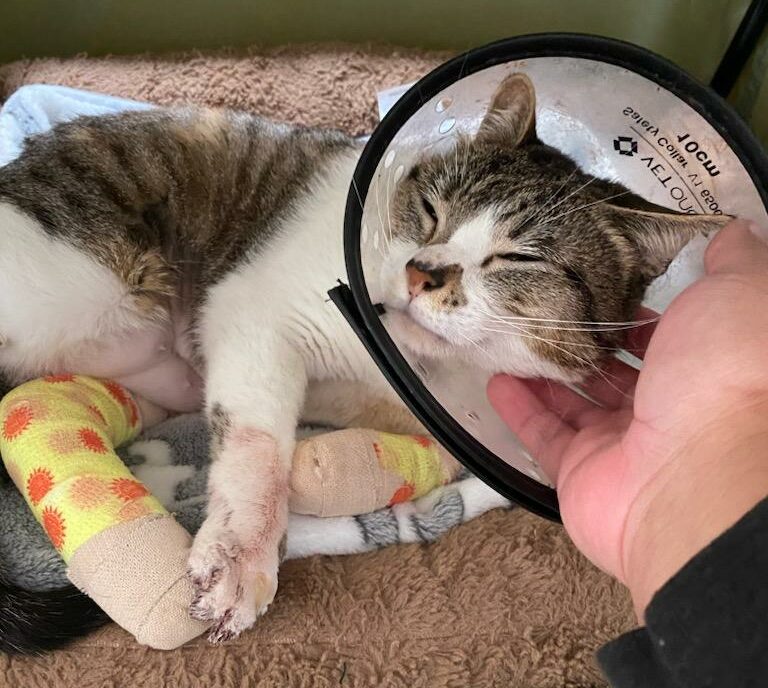
After declawing, cats often feel pain and discomfort. Swelling and bleeding can happen at the surgery site. Cats may limp or avoid walking. Some cats refuse to eat or drink for a short time. These effects usually last a few days but can be severe.
Long-term Consequences
Declawing can cause permanent changes in a cat’s body. Cats may develop arthritis in their paws. Balance and walking can become difficult. Some cats show behavior changes like biting more. The risk of long-term pain and injury increases.
Pain Management
Veterinarians use pain medicine to help cats after surgery. Pain relief is important for healing and comfort. Owners must follow the vet’s instructions carefully. Proper care can reduce stress and speed recovery. Ignoring pain can lead to worse health problems.
Credit: www.idausa.org
Alternatives To Declawing
Declawing a cat is a serious choice with lasting effects. Many cat owners seek gentle ways to protect furniture and skin. Alternatives to declawing help keep cats safe and happy. These methods support natural cat behaviors without harm.
Nail Trimming And Caps
Regular nail trimming keeps claws short and less sharp. Trim your cat’s nails every two weeks. Use special cat nail clippers for safety. Nail caps are soft covers glued on claws. They stop scratches without pain. Both methods reduce damage to furniture and skin.
Behavioral Training
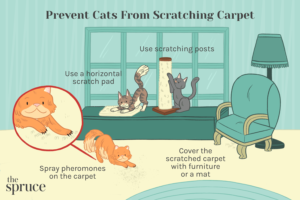
Training your cat to use scratching posts helps control scratching. Reward good behavior with treats and praise. Gently redirect cats from furniture to posts. Use toys to distract and engage your cat. Consistent training teaches cats where to scratch safely.
Environmental Enrichment
Provide plenty of toys and climbing spaces. Cats enjoy scratching when they feel active and safe. A busy environment reduces stress and boredom. Scratching posts near favorite spots work best. Enrichment keeps your cat happy and less likely to scratch wrongly.
Legal And Regional Considerations
Legal and regional rules affect when and if a cat can be declawed. These rules protect cats from harm and guide owners and vets. Knowing these rules helps make the right choice for your cat’s health.
Bans And Restrictions
Many places have banned declawing. The procedure is seen as painful and harmful. Some countries and cities do not allow declawing at all. Others only allow it for medical reasons. Always check local laws before considering declawing. The age of the cat matters less than the legal status of declawing.
Veterinary Guidelines By Region
Veterinarians follow rules set by their regional groups. These groups often advise against declawing young cats. Some regions recommend waiting until cats are older, if declawing is necessary. Vet groups promote safer alternatives to declawing. Following these guidelines helps protect your cat’s wellbeing and comfort.
Preparing Your Cat For Declawing
Preparing your cat for declawing is essential for a smooth process. It helps reduce stress and supports healing. Start by talking to your vet about the procedure and care. Understanding what to expect calms both you and your cat.
Keep your cat calm and comfortable before surgery. A quiet space and gentle handling make a difference. Proper preparation helps your cat heal faster and feel safer.
Pre-surgery Care
Schedule a vet visit for a health check. Your cat must be healthy before surgery. Follow your vet’s advice on feeding and fasting before the procedure. Keep your cat indoors to avoid infections. Prepare a cozy resting area for after the surgery. Use soft bedding in a warm, quiet place.
Post-surgery Recovery Tips
Watch your cat closely after surgery. Limit movement to prevent injury. Offer soft food and fresh water nearby. Keep the litter box clean and easy to access. Check the paws daily for signs of infection. Contact your vet if swelling or redness appears. Use pain medication exactly as the vet prescribes. Give your cat extra love and patience during recovery.
Frequently Asked Questions
How Old Should A Cat Be To Get Declawed?
Cats are usually declawed at 3 to 6 months old, before their bones fully develop.
Is Declawing Safe For Young Kittens?
Declawing young kittens is less painful but still carries risks and requires careful care.
Can Adult Cats Be Declawed Safely?
Adult cats can be declawed, but recovery is harder and risks increase with age.
Why Is Age Important For Declawing Cats?
Younger cats heal faster and suffer less pain than older cats after declawing.
What Are Alternatives To Declawing For Cats?
Nail trimming, scratching posts, and nail caps protect furniture without surgery.
How Does Declawing Affect A Cat’s Behavior?
Declawing may cause pain, stress, and changes in walking or scratching habits.
Conclusion
Cats should ideally be older than six months before declawing. This age allows their bones and claws to grow fully. Declawing is a serious choice and can cause pain. Think carefully about alternatives like nail trimming or scratching posts. Protect your cat’s health and comfort first.
Always talk with a trusted vet about the best time and options. Your cat’s well-being matters most. Choose what helps them stay happy and safe.
As an Amazon Associate, I earn from qualifying purchases.