Are you wondering when the right time is to get your cat spayed? Knowing how old your cat should be before this important procedure can help you keep her healthy and happy for years to come.
Making the decision at the right moment can prevent health problems and unwanted litters. You’ll discover the best age for spaying your cat and why timing matters so much. Keep reading to learn what you need to know to make the best choice for your furry friend.
Ideal Age For Spaying
Knowing the ideal age for spaying your cat helps protect her health. Spaying is a common surgery that stops female cats from having kittens. Timing is important. It affects recovery and long-term health. Choosing the right age can prevent many problems.
Early Spaying Benefits
Spaying cats before their first heat cycle lowers health risks. It reduces chances of uterine infections and breast cancer. Young cats heal faster and face fewer surgery risks. Early spaying also helps control the cat population. It stops unwanted litters from being born.
Recommended Age Range
Most vets suggest spaying cats between 4 and 6 months old. This age is safe and effective for surgery. Some shelters spay kittens as young as 8 weeks. Waiting too long can increase health risks and unwanted behaviors. Talk to your vet about the best time for your cat.
Breed And Size Considerations
Breed and size can affect the best spaying age. Larger breeds may need more time to grow before surgery. Smaller cats can often be spayed earlier. Your vet will consider your cat’s breed and weight. This helps decide the safest and healthiest timing.

Credit: todaysveterinarypractice.com
Health Impacts Of Spaying
Spaying a cat is more than just preventing kittens. It affects her health in many important ways. Understanding these effects helps owners make better choices about the timing of spaying.
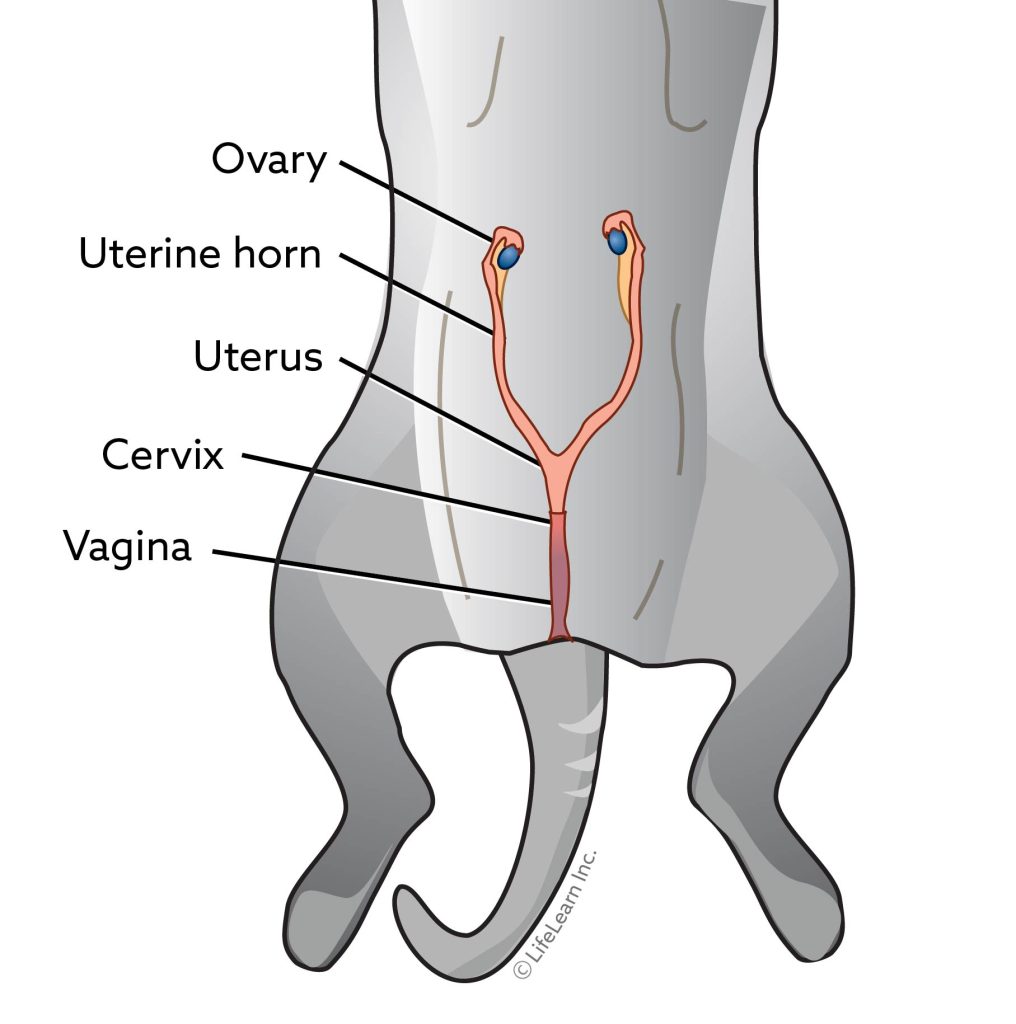
Spaying removes the ovaries and uterus, stopping heat cycles and preventing pregnancy. This surgery has lasting effects on a cat’s body and well-being.
Long-term Health Benefits
Spaying lowers the risk of certain cancers, such as ovarian and uterine cancer. It also reduces the chance of breast tumors, especially if done early. Cats live healthier and often longer lives after spaying. It prevents infections in the uterus, which can be dangerous. Spayed cats usually have fewer behavior problems related to heat cycles.
Risks Of Delayed Spaying
Waiting too long to spay increases health risks for cats. Unspayed cats face higher chances of uterine infections and cancers. Heat cycles cause stress and attract unwanted male cats. Delayed spaying can lead to unwanted pregnancies. Surgery can be more complicated and risky in older cats.
Common Myths Debunked
Some believe spaying makes cats fat or lazy. In reality, weight gain happens if diet and exercise are not managed. Others think spaying changes a cat’s personality. Most cats keep their normal behavior after surgery. Some worry that spaying too early harms growth. Research shows spaying at the right age is safe and healthy.
Preparing Your Cat For Surgery
Preparing your cat for spaying surgery is important for a smooth process. It helps your cat stay safe and healthy before, during, and after the surgery. Taking the right steps makes the experience easier for both you and your pet.
Understanding what to do before surgery can reduce stress. Knowing the exact preparations gives you confidence and helps your cat recover faster.
Pre-surgery Health Check
Your cat needs a health check before surgery. The vet will examine your cat’s heart, lungs, and overall condition. Blood tests may be done to check for infections or diseases. This check ensures your cat is strong enough for anesthesia and surgery.
Fasting And Medication Guidelines
Fasting is crucial before surgery. Your cat should not eat for 8 to 12 hours before the procedure. Water may be allowed until a few hours before surgery. Follow the vet’s advice about any medications. Do not give your cat any medicine unless the vet says it is safe.
What To Expect On Surgery Day
On surgery day, arrive on time at the veterinary clinic. Bring your cat in a comfortable carrier. The vet staff will prepare your cat for surgery. The procedure usually takes a short time. Your cat will stay under observation until fully awake. You will receive instructions for home care before leaving.
Credit: neslihandolar.com
Post-spaying Care Tips
Spaying is a major surgery for your cat. Proper care after the operation helps her heal faster. Knowing what to expect and how to care for her is important. Follow these post-spaying care tips for a smooth recovery.
Recovery Timeframe
Most cats heal within 10 to 14 days after spaying. Keep your cat indoors and quiet during this time. Limit jumping and running to protect the surgery site. Check the incision daily for redness or swelling.
Managing Pain And Discomfort
Your vet may prescribe pain medicine for your cat. Give the medicine exactly as directed, without skipping doses. Use a soft, clean bed to keep her comfortable. Avoid tight collars but use an e-collar if she tries to lick the incision.
Signs Of Complications
Watch for bleeding or discharge from the surgery site. If your cat becomes very sleepy or refuses to eat, call the vet. Vomiting, swelling, or bad smell around the incision are warning signs. Early care helps prevent serious problems.
Special Cases And Exceptions
Some cats do not fit the usual spaying timeline. Special cases need careful thought and a different approach. These exceptions include older cats, pregnant cats, and others with unique health needs. Understanding these helps pet owners make better choices for their cats’ health.
Spaying Older Cats
Older cats can be spayed safely, but with some risks. Their bodies might react differently to anesthesia. Health checks are essential before surgery. Spaying older cats can prevent cancers and infections. It also stops unwanted litters in senior cats.
Pregnant Cats And Spaying
Spaying pregnant cats is possible but needs careful timing. Surgery usually happens early in pregnancy. It helps avoid more kittens when owners cannot care for them. Vets check the cat’s health and pregnancy stage before deciding. The goal is to keep the cat safe during surgery.
Consulting Your Veterinarian
Your vet knows your cat’s health best. They guide you on the right age to spay. Special cases require a tailored plan. Always discuss your cat’s condition with your vet. Their advice ensures safe and effective spaying for your cat.

Credit: neslihandolar.com
Frequently Asked Questions
At What Age Is It Safe To Spay A Cat?
Most vets recommend spaying cats between 5 to 6 months old for best health outcomes.
Can Kittens Be Spayed Before 4 Months Old?
Yes, early spaying at 8 to 12 weeks is safe and common in shelters.
Why Is Spaying Before First Heat Important?
Spaying before the first heat lowers risks of cancer and unwanted litters.
What Health Benefits Come From Spaying Cats Early?
Early spaying reduces chances of infections, tumors, and certain reproductive diseases.
Will Spaying Affect My Cat’s Growth?
Spaying does not stunt growth; cats grow normally after surgery.
How Long Should I Wait After Spaying To See Recovery?
Cats usually recover fully within 7 to 10 days after spaying surgery.
Conclusion
Spaying a cat at the right age helps keep her healthy and happy. Most vets suggest spaying between five to six months old. Early spaying can prevent unwanted litters and reduce health risks. Always talk with your vet to choose the best time for your cat.
Taking care of her now saves trouble later. Your cat will thank you with a longer, healthier life. Simple steps make a big difference.
As an Amazon Associate, I earn from qualifying purchases.