Are you wondering how old your cat should be before considering declawing? This is an important question that many cat owners face, and the answer isn’t always simple.
Understanding the right timing can help protect your cat’s health and comfort. You’ll learn what experts say about the ideal age for declawing and why making the right decision now matters for your furry friend’s future. Keep reading to find out everything you need to know before taking this step.
Credit: www.idausa.org
Cat Declawing Basics
Declawing a cat is a serious decision that many pet owners face. Understanding the basics helps you make the best choice for your pet’s health and happiness.
Knowing what declawing involves and why some owners choose it is important. This knowledge guides you in caring for your cat properly.
What Declawing Involves
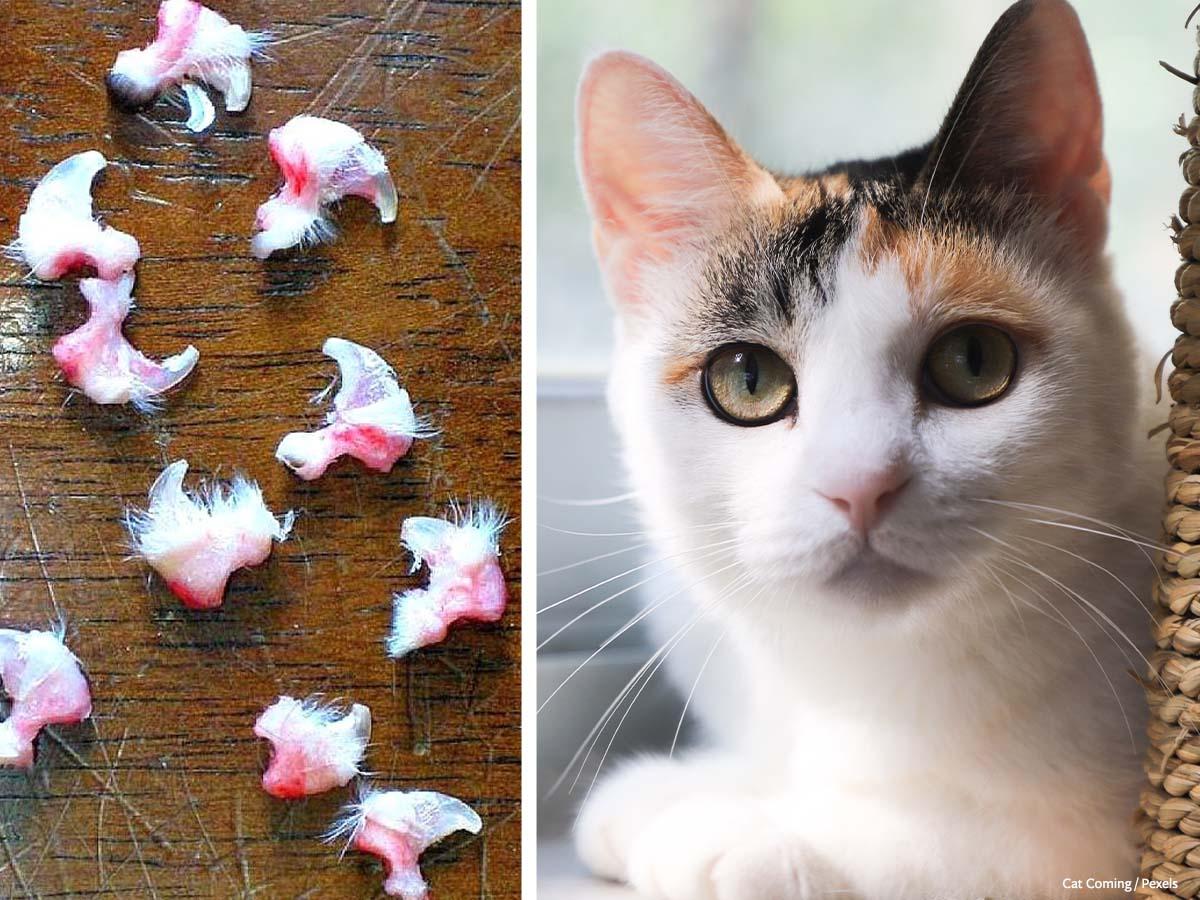
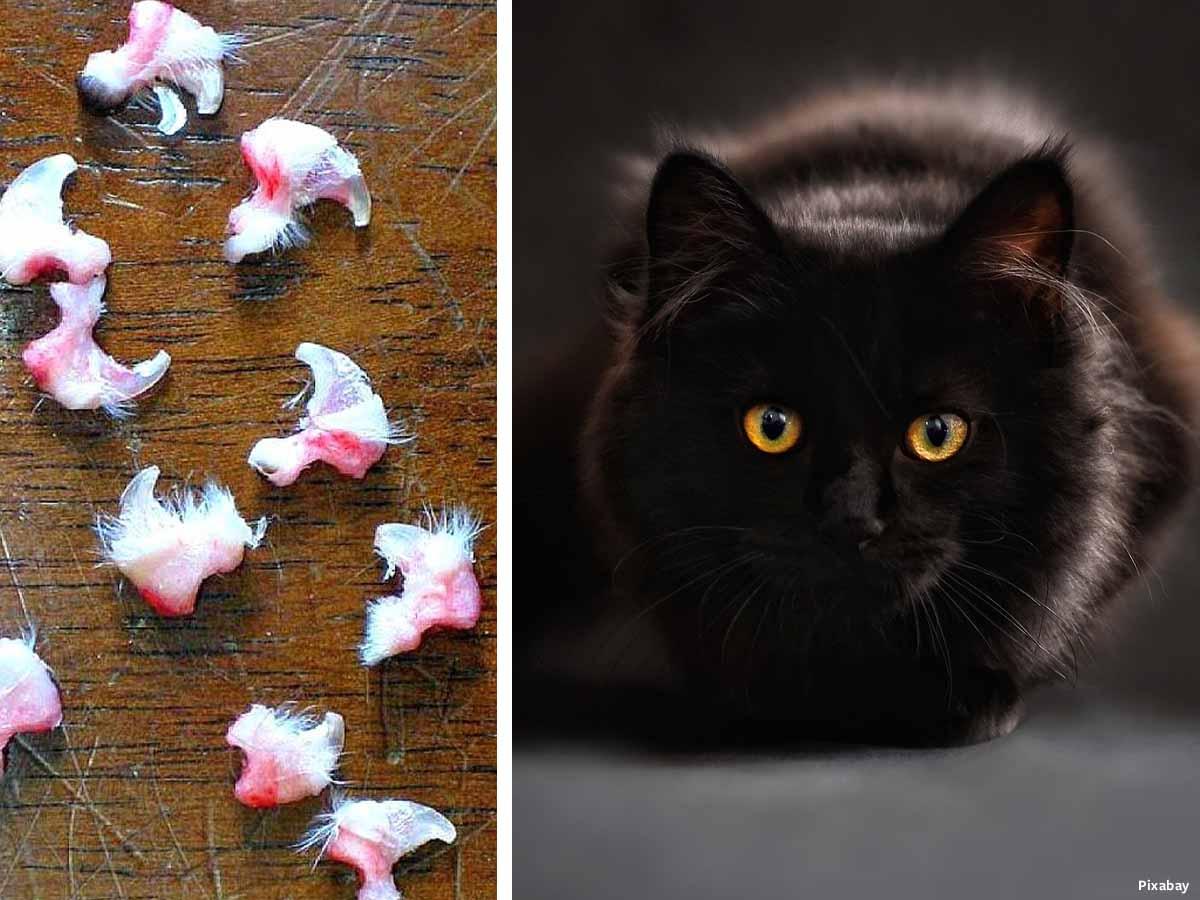
Declawing is the surgical removal of a cat’s claws. It is more than just taking off the nails. The procedure removes the last bone of each toe. This bone is where the claw grows. The surgery is done under anesthesia. Recovery can take several weeks. The cat may feel pain and need special care. Declawing changes how a cat walks. This can lead to joint problems later. Many vets now recommend other options instead.
Reasons Owners Choose Declawing
Some owners want to protect their furniture from scratches. Others worry about their children’s safety. Cats with very sharp claws can cause injuries. Declawing is also chosen to stop cats from scratching people. Some owners have no other way to manage scratching. Sometimes, cats with medical issues may need declawing. Still, many vets suggest training or nail caps first. Knowing these reasons helps understand the owner’s choice.
Age Guidelines For Declawing
Deciding the right age to declaw a cat involves important health and ethical factors. Age influences the cat’s recovery and long-term wellbeing. This section explains age guidelines for declawing cats.
Ideal Age Range
The best age to declaw a cat is usually between 12 and 16 weeks. At this stage, kittens heal faster and feel less pain. Their bones and tissues are still soft, making surgery easier. Early declawing helps reduce stress and complications.
Risks Of Early Declawing
Declawing too early, before 12 weeks, can cause problems. The bones may not be strong enough for surgery. Early surgery can lead to infections or poor healing. Kittens need time to grow before such a procedure.
Concerns With Older Cats
Declawing older cats is riskier. Healing takes longer, and pain may be worse. Older cats might have arthritis or other health issues. Surgery can cause more stress and complications at this age.
Alternatives To Declawing
Declawing a cat is a serious decision with lasting effects. Many cat owners seek gentler ways to protect their furniture and keep their pets safe. Alternatives to declawing offer kinder options that respect a cat’s natural behavior and health.
These methods help manage scratching without surgery. They keep cats happy and reduce damage at home.
Nail Trimming Techniques
Regular nail trimming is a simple and effective way to reduce scratching harm. Use a pet nail clipper to cut only the sharp tips. Trim nails every two weeks for best results. Be careful not to cut too close to the quick. This keeps nails dull and less likely to cause damage.
Soft Paws And Nail Caps
Soft paws and nail caps are small covers glued to a cat’s nails. They stop claws from scratching furniture or skin. These caps are safe and painless for cats. They last for several weeks and fall off naturally as nails grow. Applying caps requires patience but can protect your home well.
Training And Behavior Solutions
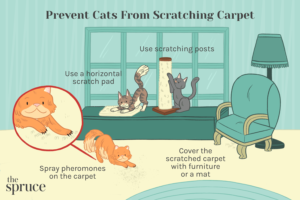
Training cats to use scratching posts can reduce unwanted scratching. Place posts near favorite scratching spots. Reward cats with treats and praise when they use posts. Use toys and playtime to redirect scratching behavior. Cover furniture with materials cats dislike, like double-sided tape. These techniques encourage good habits without harm.

Credit: justcatsclinic.com
Health And Ethical Considerations
Deciding the right age to declaw a cat involves serious health and ethical concerns. This procedure affects a cat’s body and behavior. Understanding the risks and opinions helps pet owners make better choices. The cat’s wellbeing should always come first.
Potential Complications
Declawing can cause pain and infection. Cats may have trouble walking after surgery. Some develop arthritis or long-term joint problems. Behavioral changes like biting or hiding often appear. These problems show why timing and care matter.
Veterinary Perspectives
Many vets advise against declawing. They suggest safer alternatives like nail trimming or soft paws. Some vets only perform declawing for medical reasons. The procedure is painful and may harm the cat’s mental state. Vet advice reflects a focus on animal welfare.
Legal And Ethical Views
Declawing is illegal in many countries and regions. Laws protect cats from unnecessary harm. Animal rights groups strongly oppose declawing. They see it as cruel and harmful to cats. Ethical pet care means respecting the cat’s natural needs.
Preparing For Declawing Surgery
Preparing for declawing surgery is important for your cat’s health and comfort. This process involves careful steps before and after the operation. Proper care helps your cat heal faster and feel less pain. Understanding what to do can make this experience easier for both you and your pet.
Pre-surgery Care
Schedule a vet visit to check your cat’s health. The vet may run tests to ensure your cat is strong enough for surgery. Follow the vet’s instructions about food and water before surgery. Keep your cat calm and avoid stressful situations. Prepare a quiet, warm space at home for recovery. Gather all supplies like soft bedding and medications. Make sure you understand the surgery details and ask questions.
Post-surgery Recovery Tips
Keep your cat indoors to prevent infection. Limit your cat’s movement to avoid injury. Use a litter box with soft, non-clumping litter. Watch for signs of pain or infection around the paws. Give medications exactly as the vet prescribes. Clean the surgery area gently if needed. Offer plenty of water and soft food. Spend extra time comforting your cat during recovery.
Credit: www.idausa.org
Frequently Asked Questions
How Old Should A Cat Be To Declaw?
Cats should be at least 5 months old before declawing surgery is considered.
Is Declawing Safe For Kittens Under Six Months?
Declawing young kittens can cause pain and behavior issues; vets usually wait until 5-6 months.
Can Declawing Affect A Cat’s Growth Or Movement?
Declawing may change how a cat walks and can cause long-term joint problems.
Why Do Vets Recommend Waiting Before Declawing A Cat?
Waiting allows the cat’s bones and claws to develop properly for safer surgery.
What Are The Risks Of Declawing A Very Young Cat?
Risks include pain, infection, and problems with balance or walking later on.
Are There Alternatives To Declawing For Young Cats?
Yes, nail caps, scratching posts, and regular nail trimming are safer options.
Conclusion
Choosing the right age to declaw a cat matters a lot. Most vets say young kittens, around 8 to 12 weeks, might be the usual time. Still, many experts warn against declawing because it can hurt cats. Instead, try trimming nails or using soft nail caps.
Think about your cat’s comfort and health first. Always talk to your vet before deciding. Remember, a happy cat means a happy home. Take good care, and make choices that keep your pet safe and pain-free.
As an Amazon Associate, I earn from qualifying purchases.