If you’ve just welcomed a litter of kittens, you’re probably wondering, how soon after giving birth can a cat be fixed? You want the best for your furry friend, but timing this surgery can feel confusing and stressful.
Knowing when it’s safe to spay your cat can protect her health and prevent future litters. You’ll discover the ideal time to schedule the procedure, what to expect, and how to care for your cat before and after surgery. Keep reading to make the right choice for your cat’s well-being.
:strip_icc()/mother-cat-and-kittens-57b730673df78c876384b190.jpg)
Credit: www.thesprucepets.com
Timing For Spaying After Birth
Timing for spaying after birth is important for a cat’s health and recovery. A cat’s body needs time to heal after giving birth. Spaying too soon may cause health risks. Waiting the right amount of time helps ensure a safe surgery and recovery.
Ideal Waiting Period
Most veterinarians suggest waiting at least six to eight weeks after birth. This period allows the cat’s uterus to return to normal. It also gives time for any nursing kittens to wean. Surgery after this time is usually safer and less stressful.
Factors Affecting Timing
Several things affect when a cat can be spayed. The cat’s overall health plays a big role. If the cat is weak or sick, surgery might be delayed. The number and age of kittens matter too. Very young kittens need their mother for feeding. The vet will also check for any infections or complications from birth. Each cat is different, so the vet decides the best time.
Health Benefits Of Early Spaying
Spaying a cat soon after giving birth offers many health benefits. It helps protect her from serious diseases and unwanted pregnancies. Early spaying supports her recovery and long-term wellness. Understanding these benefits can help pet owners make better choices for their cat’s care.
Reducing Health Risks
Spaying reduces the risk of uterine infections and breast tumors. These conditions can be life-threatening if untreated. Early spaying lowers the chance of these problems developing later. It also prevents complications linked to multiple pregnancies. This keeps the cat healthier for a longer time.
Preventing Future Litters
Spaying shortly after birth stops the cat from having more kittens. It prevents stress from repeated pregnancies and births. This control helps reduce the number of homeless cats. It also allows the mother cat to focus on healing and regaining strength. Avoiding future litters supports her overall health and well-being.
Risks Of Early Surgery
Spaying a cat soon after giving birth has risks. The cat’s body needs time to heal from pregnancy and birth. Surgery too early can cause health problems. Understanding these risks helps owners decide the best time for surgery.
Potential Complications
Early surgery increases the chance of bleeding. The uterus and blood vessels are still healing. Anesthesia can be harder for a cat in this state. Infection risks rise because the immune system is weaker. The cat may have trouble with wound healing. Stress from surgery can affect milk production too.
Recovery Challenges
The cat needs more rest to recover well. Pain might make it difficult to care for kittens. The mother may avoid feeding or cleaning her babies. Surgery wounds may open if the cat moves too much. Healing is slower since the body is busy recovering from birth. Extra care and monitoring are essential during this time.

Credit: www.golfsouthayrshire.com
Caring For A Cat Before Surgery
Caring for a cat before surgery is very important for a smooth recovery. The days after giving birth can be busy, but proper care helps prepare your cat for the procedure. Focus on good nutrition and watch her health closely. These steps make surgery safer and reduce risks.
Nutrition And Hydration
Feed your cat a balanced diet with enough calories. Nursing cats need more energy to stay healthy. Provide fresh water at all times to keep her hydrated. Avoid changing her food suddenly before surgery. Healthy eating supports healing and strength during surgery.
Monitoring Health Signs
Check your cat’s behavior and body every day. Look for signs like fever, swelling, or discharge around the nipples. Watch for loss of appetite or unusual tiredness. Report any concerns to the vet quickly. Early detection of problems helps your cat recover faster.
Post-surgery Care Tips
After your cat has been spayed, good care is key to a smooth recovery. Knowing how to care for her after surgery helps prevent problems. It also makes her feel better faster. This section covers important tips for post-surgery care.
Managing Pain And Discomfort
Spaying can cause pain and soreness. Watch for signs like hiding, not eating, or being restless. Your vet may give pain medicine. Give it exactly as told. Do not use human painkillers. Keep your cat calm and quiet to reduce discomfort.
Wound Care And Hygiene
Check the surgery site daily. Look for swelling, redness, or discharge. Do not let your cat lick or bite the wound. Use a cone collar if needed. Keep the area clean and dry. Avoid baths until the vet says it is safe. Clean around the wound gently if dirty.
Activity Restrictions
Limit your cat’s movement for at least two weeks. No jumping, running, or rough play. Provide a small, quiet space to rest. Use a comfortable bed and litter box nearby. This helps the wound heal well. Follow your vet’s advice on when normal activity can resume.
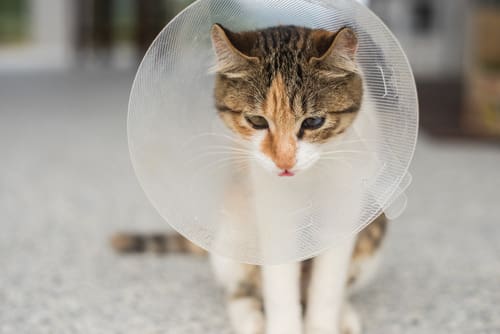
Credit: heartofchelsea.com
Consulting Your Veterinarian
Consulting your veterinarian is the best step after your cat gives birth. They know your cat’s health and needs. They can guide you on the safest time to fix her. This helps avoid health risks for both mother and kittens. A vet’s advice ensures the surgery is done at the right time.
Personalized Recommendations
Your vet will check your cat’s health and condition. They consider her age, weight, and nursing status. Each cat recovers differently after birth. The vet decides the best time to spay based on this. They may suggest waiting a few weeks or longer. This keeps your cat safe and healthy.
Scheduling The Procedure
Once the vet approves, you can set the surgery date. The timing depends on your cat’s healing and milk production. The vet helps pick a day when risks are lowest. They explain how to prepare your cat before surgery. Follow their instructions for the best outcome.
Alternatives To Spaying Immediately After Birth
Spaying a cat right after she gives birth might not always be the best choice. Some cats need time to recover from giving birth. There are other ways to manage her health and prevent more kittens. These options help care for the mother cat until she is ready for surgery. Understanding these choices can help pet owners make smart decisions.
Temporary Contraceptive Options
Temporary contraceptives can stop a cat from getting pregnant again. These medicines are given by a vet. They work for a short time and need to be repeated. This method avoids surgery and lets the cat heal. It is not a long-term solution but can be useful for some cats. Talk with a vet to find the safest options.
Waiting Until Weaning
Waiting until the kittens stop nursing is another choice. This gives the mother time to rest. Spaying after weaning lowers risks during surgery. The cat’s body will be stronger and better prepared. This also means the kittens get full care from their mother. Planning surgery after weaning helps protect the health of both cat and kittens.
Frequently Asked Questions
How Soon Can A Cat Be Spayed After Giving Birth?
Cats can usually be spayed 8 weeks after giving birth, once kittens are weaned.
Why Wait Before Spaying A Cat After Birth?
Waiting helps the mother cat recover and ensures kittens are strong enough to eat alone.
Can Spaying Affect A Cat’s Milk Production?
Spaying may stop milk production, so wait until kittens no longer need nursing.
Is It Safe To Spay A Cat While Nursing Kittens?
Spaying during nursing is risky; it’s safer to wait until kittens wean.
How Does Spaying Timing Affect A Cat’s Health Post-birth?
Proper timing reduces surgery risks and supports the cat’s full recovery.
What Signs Show A Cat Is Ready To Be Spayed Post-birth?
Look for weaned kittens and a healthy, calm mother cat before scheduling surgery.
Conclusion
Spaying a cat soon after birth helps prevent health risks and unwanted litters. Most vets recommend waiting until kittens stop nursing, usually around eight weeks. This timing helps the mother heal and recover fully. Early spaying supports her well-being and reduces future health problems.
Always consult your vet for the best plan for your cat. Taking care of her now means a healthier life ahead. Simple steps make a big difference for your cat’s future.
As an Amazon Associate, I earn from qualifying purchases.