Getting your cat to use a new litter box can be tricky, but it doesn’t have to be stressful for you or your furry friend. If your cat is ignoring the new box, you might be wondering what you’re doing wrong or how to make it more appealing.
The good news is, with a few simple tips and tricks, you can encourage your cat to feel comfortable and confident with the change. Keep reading to discover easy ways to attract your cat to the new litter box and keep them happy and healthy.
Choose The Right Litter Box
Choosing the right litter box is key to helping your cat accept a new bathroom spot. Cats are picky about their space. The right box makes them feel safe and comfortable. This encourages them to use it without hesitation. Consider size, style, and cover options carefully. These factors affect your cat’s willingness to switch.
Size And Style Options
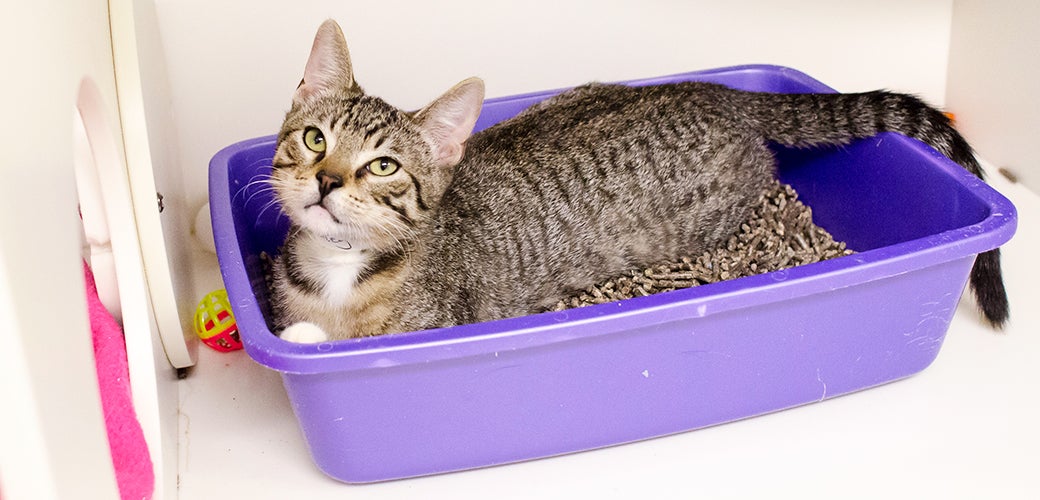
Pick a litter box that fits your cat’s size. Small boxes can feel cramped to big cats. Give your cat enough room to turn and dig. Some cats prefer low sides for easy entry. Others like deeper boxes to keep litter inside. Open trays and high-sided boxes are common styles. Choose what matches your cat’s habits best. A box too small or hard to enter may scare your cat away.
Covered Vs. Open Boxes
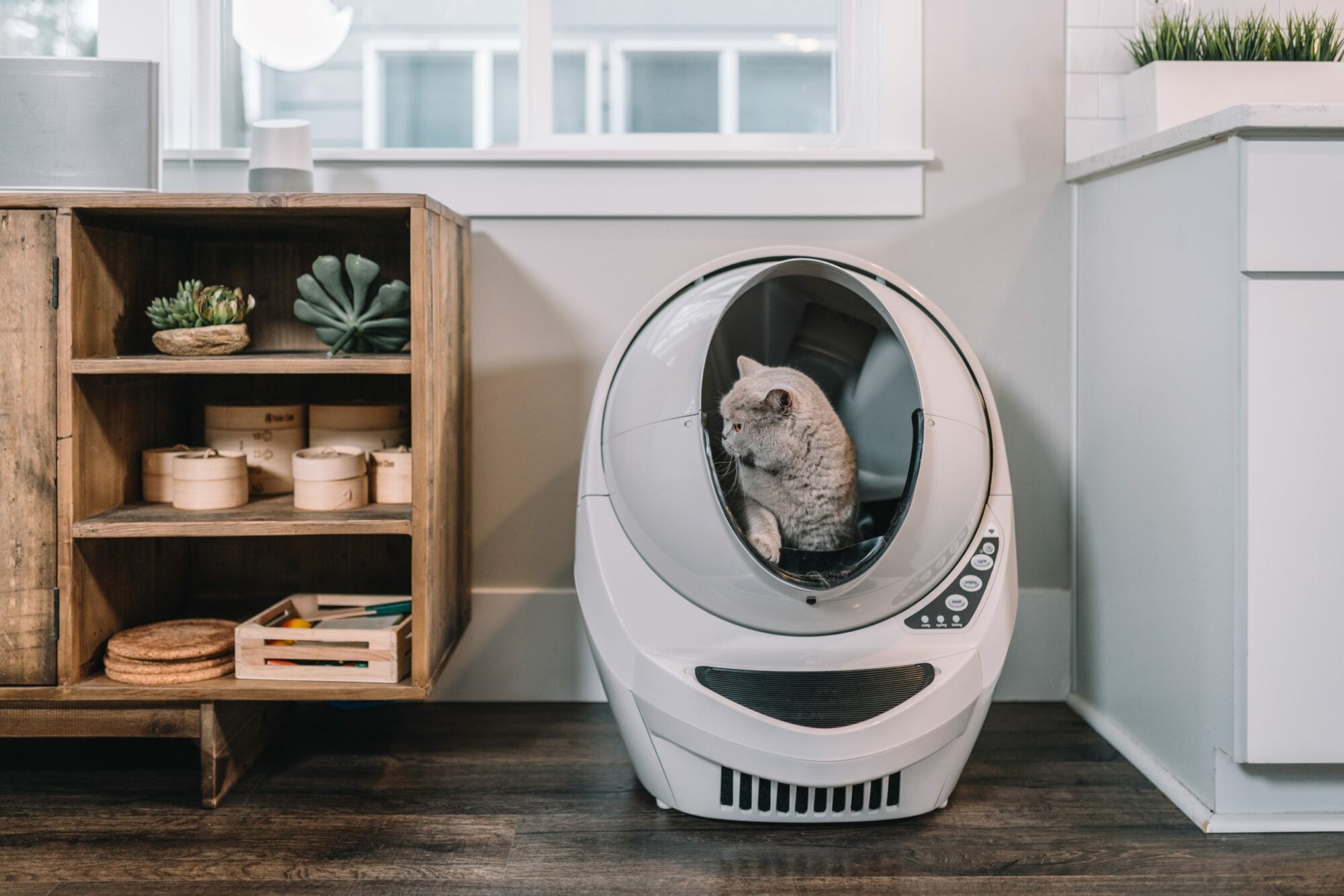
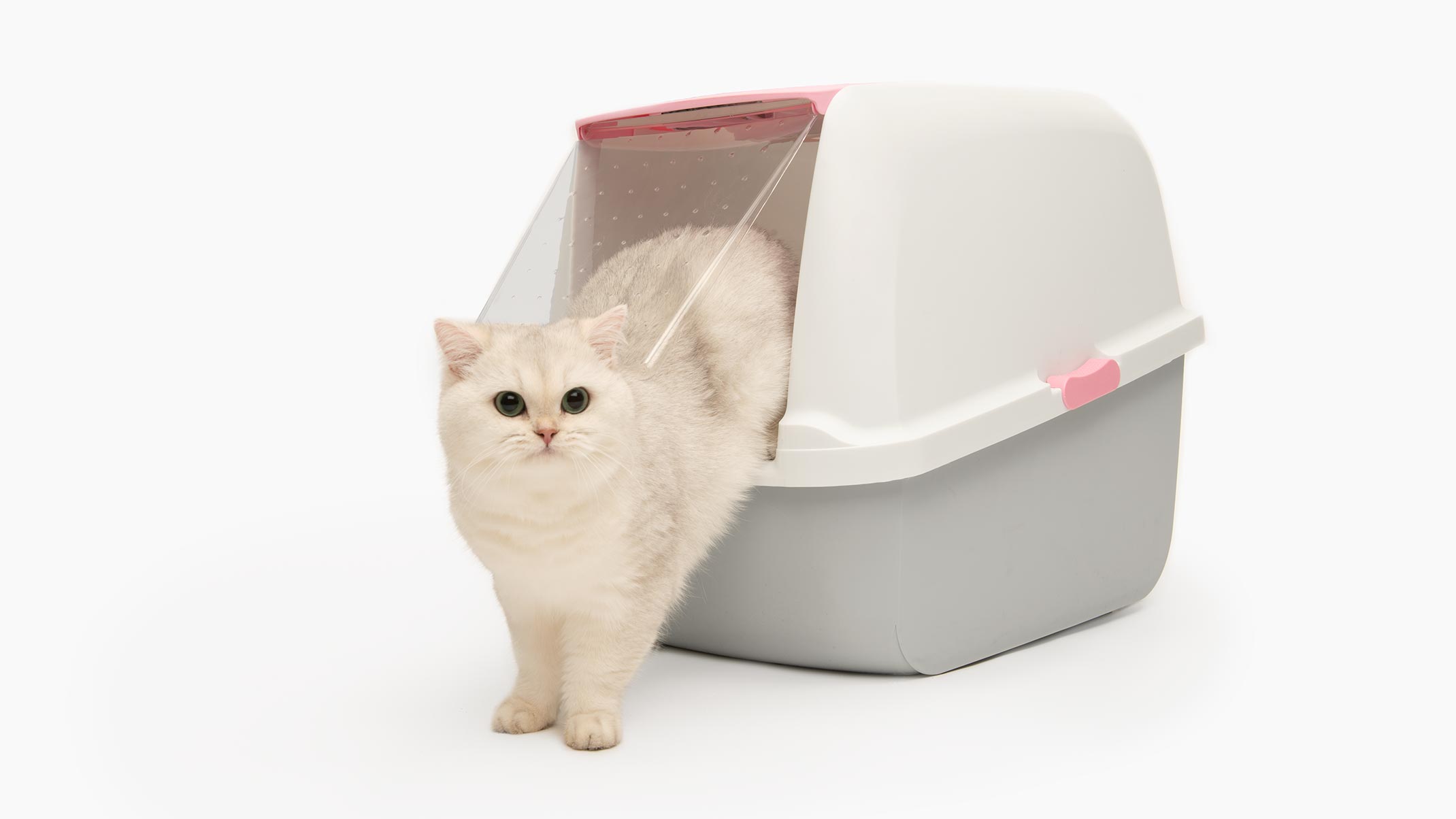
Covered boxes offer privacy and reduce odor spread. Cats that like hiding feel safer inside these. Some cats dislike covered boxes. They may feel trapped or smell unpleasant. Open boxes provide more airflow and easy access. They let your cat see around while using the box. Observe your cat’s behavior to decide. A quiet cat may prefer covered, while shy cats often choose open boxes.
Select The Best Litter
Choosing the right litter is key to helping your cat accept a new litter box. Cats are picky about their litter. The right type and texture make them feel comfortable. This helps them use the new box without fuss. Understanding different litters and your cat’s preferences can make the change easy.
Types Of Cat Litter
There are many types of cat litter available. Clumping clay litter is common. It forms solid clumps for easy cleaning. Non-clumping clay litter absorbs moisture but does not clump. Silica gel litter controls odor well and lasts longer. Natural litters use materials like corn, wheat, or pine. These are biodegradable and gentle on paws. Choose a type that suits your cat and your cleaning habits.
Scent And Texture Preferences
Cats dislike strong smells. Unscented litter is usually best. Some cats prefer a light scent, but keep it mild. Texture matters too. Soft, fine-grained litter feels good on paws. Rough or hard litter can scare cats away. Watch your cat’s reaction to different textures. This helps you pick the litter they like most.
Ideal Litter Box Placement
Choosing the right place for your cat’s litter box helps your cat use it often. Cats want a spot that feels safe and calm. The litter box should be easy to find and reach. This makes your cat comfortable and more likely to use the new box.
Quiet And Accessible Spots
Pick a quiet corner for the litter box. Loud sounds scare cats away. Avoid places near noisy machines or busy rooms. The box should be easy for your cat to get to. No stairs or obstacles in the way. A calm place helps your cat feel safe and relaxed.
Avoiding High Traffic Areas
Keep the litter box away from busy areas. Avoid hallways and places where people often walk. Cats like privacy when they use the box. Too much noise or movement can make them nervous. A quiet spot with low traffic helps your cat use the box without stress.
Introduce The New Box Gradually
Introducing a new litter box to your cat needs patience and care. Sudden changes can confuse or scare your pet. A slow introduction helps your cat get used to the new box. This method lowers stress and makes the change smoother. Cats appreciate familiar smells and spaces. Gradually adding the new box keeps these comforts nearby.
Keep Old Box Available
Do not remove the old litter box right away. Keep it next to the new one at first. Your cat will feel safe with the old box nearby. It can choose which box to use. This choice helps your cat trust the new box over time. After a few days, move the old box further away. Watch your cat’s behavior to know when to remove it.
Encourage Exploration
Let your cat explore the new litter box on its own. Place some treats or toys near it to spark interest. Avoid forcing your cat into the new box. Cats explore better at their own pace. You can gently place your cat inside for short moments. Praise your cat softly to build positive feelings. Exploration makes the new box less strange and more inviting.
Maintain Cleanliness
Maintaining cleanliness is key to attracting your cat to a new litter box. Cats prefer a fresh, odor-free space. A clean box encourages them to use it regularly. Dirt and smell can scare cats away. Cleanliness also keeps your home fresh and healthy.
Regular Scooping
Scoop the litter box at least once a day. Remove clumps and waste quickly. This stops bad smells from building up. A clean surface invites your cat to use the box. Regular scooping shows your cat you care.
Deep Cleaning Routine
Empty the litter box completely once a week. Wash it with mild soap and warm water. Avoid strong cleaners that can harm your cat’s nose. Dry the box well before adding fresh litter. Deep cleaning removes hidden bacteria and odors. It keeps the box fresh and safe for your cat.
Credit: pettsup.com
Use Attractants And Aids
Using attractants and aids can help your cat accept a new litter box faster. These tools encourage your cat to explore and use the new box. They make the transition smooth and stress-free.
Catnip And Pheromone Sprays
Catnip sprays release scents that cats find appealing. Spraying the litter box with catnip can invite your cat to check it out. Pheromone sprays mimic natural cat scents. These sprays calm your cat and reduce anxiety about the new box. Both sprays are safe and easy to use.
Litter Box Training Products
Training products include attractant powders and special litter additives. They have smells that encourage cats to dig and use the box. Some products help mask odors from the new litter. This makes the box more inviting. Use these products as directed to help your cat adjust quickly.
Monitor Cat’s Behavior
Monitoring your cat’s behavior is key to helping it accept a new litter box. Cats often show clear signs when they are unsure or uncomfortable. Observing these signs early lets you take action fast. This helps your cat feel safe and happy with the new box.
Watch For Hesitation
Notice if your cat stops or sniffs around the box without using it. Hesitation can mean the cat is unsure about the new litter. It might avoid the box or try to find another spot. Watching these signs helps you know when to make changes.
Address Stress Or Anxiety
Stress can stop cats from using a new litter box. Loud noises, new smells, or changes at home cause anxiety. Watch for pacing, meowing, or hiding near the box. Calm your cat with gentle voice and safe space. Use soft bedding or familiar scents to reduce stress.
Credit: www.aspca.org
Consult A Veterinarian If Needed
Sometimes, cats avoid a new litter box for health reasons. Consulting a veterinarian can help find hidden problems. A vet’s insight ensures your cat stays healthy and comfortable. This step is important if your cat shows unusual behavior around the litter box.
Rule Out Medical Issues
Urinary tract infections or pain can stop cats from using a litter box. A vet can check for infections, stones, or other health problems. Treating these issues often solves litter box avoidance. Early detection prevents bigger health risks for your cat.
Seek Professional Advice
Veterinarians offer advice on litter box habits and preferences. They suggest changes in litter type or box placement based on your cat’s needs. Professionals also guide on stress or anxiety that affects litter use. Trusting their advice helps your cat adapt faster to a new box.
Credit: www.catit.com
Frequently Asked Questions
How To Introduce A New Litter Box To My Cat?
Place the new litter box near the old one. Let your cat explore it at their own pace.
What Type Of Litter Attracts Cats Most?
Cats prefer unscented, clumping litter. It feels soft and is easy to dig in.
How Often Should I Clean The New Litter Box?
Clean the litter box daily. Cats like a clean place to do their business.
Can The Litter Box Location Affect Cat Usage?
Yes, a quiet, private spot encourages use. Avoid noisy or busy areas in your home.
Should I Change The Litter Type Gradually?
Yes, mix old and new litter slowly. This helps your cat adjust without stress.
How To Encourage Shy Cats To Use The New Box?
Use treats or praise near the new box. Gentle encouragement helps build positive habits.
Conclusion
A new litter box can feel strange to a cat. Give your cat time to explore it. Keep the box clean and in a quiet place. Use familiar litter to make the box inviting. Reward your cat with praise or treats nearby.
Watch your cat’s behavior and adjust as needed. Patience and care help your cat accept the new box. Soon, your cat will feel comfortable using it every day.
As an Amazon Associate, I earn from qualifying purchases.