Have you ever thought about turning your love for dogs into a meaningful career? Becoming a service dog trainer lets you do just that—helping people regain independence and confidence through the incredible bond between humans and dogs.
But how do you start? What skills do you need? And what does the path look like? This guide will walk you through everything you need to know to become a successful service dog trainer. By the end, you’ll have a clear picture of the steps ahead and feel ready to take action.
Keep reading to discover how you can make a real difference with your passion for training dogs.
Role Of A Service Dog Trainer
The role of a service dog trainer is vital for many people. These trainers prepare dogs to assist individuals with disabilities. The work requires patience, skill, and dedication. Trainers help dogs learn important tasks that improve their handler’s life. This role combines animal training with a deep understanding of human needs.
Service dog trainers shape the behavior of dogs for specific jobs. They guide dogs to respond to commands and perform tasks safely. Their work helps create strong bonds between dogs and people. This role demands both technical skills and empathy.
Key Responsibilities
Service dog trainers teach dogs basic obedience and advanced skills. They work on tasks like guiding, fetching, or alerting. Trainers assess each dog’s abilities and tailor training plans. They also monitor the dog’s health and behavior closely. Trainers support the future handler by providing guidance and advice. They ensure dogs meet strict standards before working with people. Record keeping and progress tracking are part of daily tasks.
Essential Skills
Patience is crucial for trainers. Dogs learn at their own pace. Clear communication helps dogs understand commands well. Trainers need knowledge of dog behavior and body language. Problem-solving skills help overcome training challenges. Physical fitness is important for handling active dogs. Trainers must be kind and firm at the same time. Understanding human disabilities improves training effectiveness. Good observation skills catch early signs of stress or health issues in dogs.
Types Of Service Dogs
Service dogs help people with many different needs. Each type of service dog has special skills. Understanding these types is important for anyone who wants to become a service dog trainer. Training depends on the dog’s purpose and the person it helps.
Guide Dogs
Guide dogs help people who cannot see. They lead their handlers safely around obstacles. These dogs learn to stop at curbs and stairs. They also find doors and crosswalks. Guide dogs bring freedom to many blind individuals.
Hearing Dogs
Hearing dogs assist people who are deaf or hard of hearing. They alert their owners to sounds like doorbells or alarms. These dogs also notify about phones and smoke detectors. Their training focuses on recognizing important noises.
Medical Alert Dogs
Medical alert dogs watch for health problems. They can sense changes in blood sugar or seizures. These dogs warn their owners before an emergency happens. Their work is critical for people with diabetes or epilepsy. Training includes recognizing specific body signals.
Psychiatric Service Dogs
Psychiatric service dogs support people with mental health challenges. They help reduce anxiety and panic attacks. These dogs can remind their owners to take medicine. They also create calm during stressful situations. Their training is focused on emotional support tasks.
Training Requirements
Training to become a service dog trainer requires specific skills and knowledge. The process involves learning about dogs, their behavior, and how to teach them tasks. Meeting certain training requirements ensures trainers can help dogs perform well and support their handlers effectively.
Education And Certifications
Start with basic education in animal behavior or training. Many trainers complete courses or programs focused on dog training. Certifications from recognized organizations prove your skills and knowledge. These credentials build trust with clients and employers. Choose programs that cover service dog training specifically.
Hands-on Experience
Practical experience is essential for service dog trainers. Work with trained dogs and handlers to gain real-world skills. Volunteer or apprentice with experienced trainers to learn techniques. Practice helps you understand training challenges and solutions. Experience improves your confidence and effectiveness in training dogs.
Understanding Dog Behavior
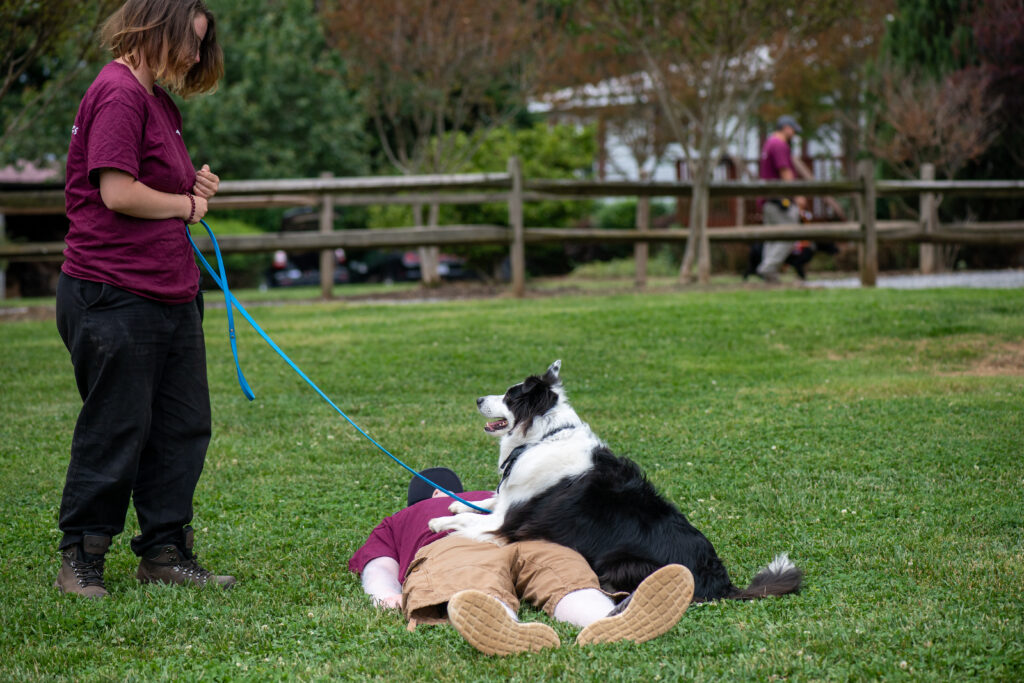
Knowing how dogs think and react is crucial. Study canine body language and communication signals. Recognize signs of stress, fear, or excitement in dogs. This understanding helps you adjust training methods. It creates a positive learning environment for the dog and handler.
Credit: internationaldogtrainerschool.com
Step-by-step Training Process
Training a service dog takes careful planning and patience. The process follows clear steps to ensure the dog can assist people with disabilities. Each stage builds the dog’s skills and confidence.
Understanding these steps helps future trainers prepare their dogs well. The training covers basic obedience to complex tasks. Social skills are also important for public settings.
Selecting Suitable Dogs
Choosing the right dog is the first step. Look for dogs with calm and focused behavior. Breeds like Labradors and Golden Retrievers are common choices. Health and temperament are key factors. The dog must be eager to learn and gentle.
Basic Obedience Training
Start with simple commands like sit, stay, and come. Consistency is important during training sessions. Use positive reinforcement to encourage good behavior. This builds trust and a strong bond. Basic obedience lays the foundation for all other tasks.
Specialized Task Training
Teach the dog tasks specific to the handler’s needs. Tasks may include guiding, retrieving items, or alerting to sounds. Training should be clear and repetitive. Break tasks into small, easy steps. Practice often until the dog performs reliably.
Socialization And Public Access
Expose the dog to different environments and people. Socialization helps the dog stay calm in public places. Practice walking through crowds and using public transport. The dog must behave politely and focus on the handler. This step prepares the dog for real-life situations.
Building A Career
Building a career as a service dog trainer takes time and effort. It involves learning skills, gaining experience, and connecting with others in the field. You must find ways to grow your knowledge and build your reputation. Step by step, you can create a path that leads to success.
Starting strong helps you stand out. This guide shows key steps to build your career effectively.
Finding Apprenticeships
Apprenticeships offer hands-on experience with expert trainers. You learn how to train service dogs properly. Working closely with a mentor improves your skills fast. Many trainers welcome eager learners. Check local training centers and service dog organizations for openings. Be ready to work hard and observe carefully. This real-world training is essential for your growth.
Joining Professional Organizations
Professional groups connect you with other trainers. They share advice, job leads, and training tips. Membership often includes access to workshops and certifications. Being part of a community builds trust and credibility. Search for national or local service dog trainer groups. Join and stay active by attending meetings and events. Networking here expands your knowledge and opportunities.
Setting Up Your Own Training Program
Starting your own program lets you control your work. Plan your services, training methods, and client care carefully. Find a suitable location and get necessary licenses. Promote your program online and in your community. Word of mouth brings new clients over time. Focus on quality and results to build a strong reputation. This step turns your passion into a sustainable career.

Credit: www.youtube.com
Challenges And Rewards
Becoming a service dog trainer comes with many challenges and rewards. The journey is not easy. It takes patience, skill, and a strong heart. Trainers face tough moments but also gain deep satisfaction. The work changes lives, both dogs and humans. Understanding these challenges and rewards helps prepare for this important role.
Common Obstacles
Training service dogs is a long process. Dogs need time to learn special skills. Some dogs may not fit the role. Trainers must handle different dog personalities. It can be hard to teach complex commands. Emotional stress happens when dogs fail or get sick. Finding enough resources and support also limits progress. These obstacles test trainers’ patience and determination.
Success Stories
Many trainers share inspiring stories. A dog learning to guide a blind person. Another dog helping a veteran with PTSD. These stories show real impact. Trainers see their hard work pay off. Service dogs bring independence and hope. Every success boosts the trainer’s confidence. These moments remind trainers why they continue.
Personal Fulfillment
Training service dogs brings deep joy. Helping others live better lives feels rewarding. Trainers build strong bonds with dogs. Watching a dog grow and learn is special. The work gives meaning and pride. Trainers often say the job changes them. It teaches patience, kindness, and strength. This personal growth is a key reward.
Resources And Tools
Becoming a service dog trainer requires the right resources and tools. These help trainers teach dogs effectively. Good resources make training smoother and more successful.
Tools include equipment for training, educational materials, and support networks. Each plays a key role in the learning process. Trainers use these to guide their work with dogs.
Training Equipment
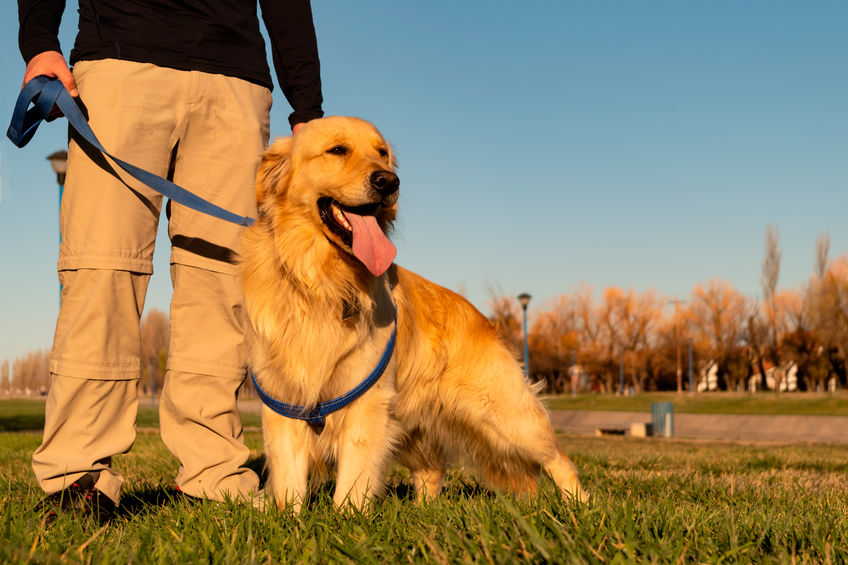
Basic training gear includes collars, leashes, and harnesses. Clickers and treat pouches help reward good behavior. Training mats and toys keep dogs focused and motivated. Proper equipment ensures safety for both trainer and dog.
Educational Materials
Books and manuals explain training methods clearly. Online courses offer video lessons and step-by-step guides. Webinars and workshops provide expert advice and tips. Using varied materials helps trainers learn faster and better.
Support Networks
Joining local or online training groups connects trainers with peers. Mentors offer guidance and share their experiences. Forums and social media groups provide answers and encouragement. Support networks build confidence and improve skills over time.
Credit: www.dogtrainercollege.us
Frequently Asked Questions
What Skills Are Needed To Become A Service Dog Trainer?
Good communication, patience, and knowledge of dog behavior are essential skills for trainers.
How Long Does It Take To Train As A Service Dog Trainer?
Training programs usually last from a few months up to a year.
What Certifications Are Required For Service Dog Trainers?
Certification varies, but many trainers get credentials from recognized dog training organizations.
Can Anyone Become A Service Dog Trainer?
Yes, but it requires dedication, proper training, and understanding of service dogs.
How Much Do Service Dog Trainers Typically Earn?
Earnings vary widely, often between $30,000 and $60,000 annually depending on experience.
Where Can I Find Service Dog Trainer Courses?
Courses are offered at community colleges, training centers, and online platforms.
Conclusion
Becoming a service dog trainer takes time and patience. You need to learn about dogs and their needs. Practice training every day. Help dogs grow confident and skilled. Stay kind and calm with each dog. Keep learning new methods to improve.
This job brings joy and real help. Start small, then build your experience. Your work changes lives, one dog at a time.
As an Amazon Associate, I earn from qualifying purchases.