Have you ever wished your dog could be just a little easier to handle? Maybe you want your furry friend to stop jumping on guests, come when called, or simply behave better during walks.
Changing a dog’s behavior might seem tough, but with the right steps, you can make a real difference. In this guide, you’ll discover simple, effective ways to transform your dog’s habits and build a stronger bond. Keep reading, and you’ll learn how to turn challenges into success—making life with your dog more joyful every day.

Credit: www.rufflesnufflemats.com
Assessing Your Dog’s Behavior
Assessing your dog’s behavior is the first step to positive change. Understanding what your dog feels and does helps guide your actions. Careful observation reveals what needs attention and what works well. This process builds a strong foundation for better training and bonding.
Identifying Problem Areas
Notice specific actions that cause trouble. Barking too much, chewing furniture, or pulling on the leash are common issues. Write down these behaviors to track patterns. Pinpointing problem areas helps target your efforts clearly. Focus on one or two behaviors at a time.
Recognizing Triggers
Watch what happens before your dog acts out. Loud noises, strangers, or other animals can be triggers. Knowing triggers helps avoid or manage tough situations. It also guides you in changing your dog’s response. Triggers vary by dog, so observe closely.
Evaluating Your Dog’s Temperament
Every dog has a unique personality. Some are calm and shy; others are energetic or bold. Understanding your dog’s temperament shapes training methods. Use gentle approaches for sensitive dogs and more active play for energetic ones. Matching style to personality makes change easier and more effective.
Setting Realistic Goals
Setting realistic goals is key to changing your dog’s behavior. It helps you stay patient and focused. Goals give clear direction and make training easier. Small, clear goals build success step by step. This section explains how to set goals that work.
Prioritizing Behavior Changes
Start by choosing the most important behavior to change first. Focus on one or two habits at a time. Avoid trying to fix everything at once. Pick behaviors that affect daily life most. Prioritize safety and basic manners before advanced tricks. This keeps training simple and effective.
Establishing Clear Expectations
Define exactly what you want your dog to do. Use simple words and clear commands. Make sure your dog understands what is good behavior. Be consistent with rules and routines. Clear expectations help your dog learn faster. Avoid confusing or vague instructions.
Tracking Progress
Keep a record of your dog’s behavior changes. Note small improvements and setbacks. Use a journal or app to track daily progress. Celebrate small wins to stay motivated. Tracking helps you see what works best. It guides your next training steps.
Training Techniques That Work
Training a dog takes patience and smart techniques. The right methods help your dog learn faster. They also build a strong bond between you and your pet. Below are some proven training techniques that work well for most dogs.
Positive Reinforcement Strategies
Positive reinforcement means rewarding good behavior. Use treats, praise, or toys as rewards. This encourages your dog to repeat the action. Ignore bad behavior instead of punishing it. Rewards make training fun and effective. Your dog will want to learn more.
Consistency And Routine
Dogs thrive on routine and consistency. Train at the same times every day. Use the same words and actions for commands. Consistency helps your dog understand what you expect. It reduces confusion and speeds up learning. Keep training sessions short but frequent for best results.
Using Commands Effectively
Choose simple, clear commands like “sit,” “stay,” or “come.” Speak with a calm, firm voice. Say the command once and wait for your dog’s response. Avoid repeating commands multiple times. Use hand signals to support verbal commands. Consistent commands improve your dog’s focus and obedience.

Credit: www.pawinspired.com
Addressing Common Behavior Issues
Dogs sometimes show behaviors that cause stress for owners. These common issues can affect daily life. Addressing them early helps build a happy home. Training with patience and consistency is key. Understanding the root of each problem guides effective solutions.
Reducing Aggression
Aggression in dogs can be scary and unsafe. It often comes from fear, pain, or protection instincts. Watch your dog’s body language closely. Avoid sudden movements or loud noises near them. Use calm, firm commands to set boundaries. Socialize your dog gradually with new people and pets. Reward calm behavior to encourage peace. Seek help from a professional trainer if aggression persists.
Managing Separation Anxiety
Dogs with separation anxiety feel stressed when alone. Signs include barking, chewing, or scratching doors. Prepare your dog for alone time by practicing short separations. Give toys or treats to keep them busy. Create a comfortable space with familiar items. Avoid long goodbyes to reduce stress. Slowly increase time apart to build confidence. Consult a vet if anxiety worsens or causes harm.
Curbing Excessive Barking
Dogs bark to communicate but too much can annoy. Identify the cause: boredom, fear, or attention seeking. Provide regular exercise and mental stimulation. Teach a “quiet” command and reward silence. Remove triggers if possible, like closing curtains for outside noises. Consistency is important; do not reward barking. Patience will help your dog learn calm behavior.
Enhancing Communication
Enhancing communication with your dog makes your relationship stronger. It helps you understand your dog’s feelings and needs. Clear communication reduces stress and builds a happy bond. Pay close attention to how your dog shows emotions and intentions. Responding well to these signals improves trust and cooperation.
Reading Canine Body Language
Your dog uses body language to talk. Watch the tail, ears, eyes, and posture carefully. A wagging tail usually means happiness, but not always. Ears pulled back may show fear or submission. A stiff body might signal alertness or aggression. Learning these signs helps you know what your dog feels.
Building Trust And Bonding
Trust grows from consistent and kind actions. Spend quiet time together without distractions. Praise your dog with soft words and gentle touch. Avoid harsh tones or sudden moves. Trust makes your dog feel safe and loved. The stronger your bond, the easier training becomes.
Responding To Your Dog’s Needs
Notice when your dog wants attention or space. Some dogs need more play, others need rest. Offer food and water regularly and on time. Watch for signs of discomfort or illness. Meeting your dog’s needs shows you care deeply. This care builds a healthy and happy dog.
Credit: www.prouddogmom.com
Involving Professional Help
Changing a dog’s behavior can be challenging. Sometimes, professional help is the best option. Experts can guide you and your dog through training and behavior changes. They provide tools and methods that work well for your dog’s needs.
When To Consult A Trainer
Consult a trainer if your dog shows unwanted behavior. Examples include aggression, constant barking, or poor obedience. Trainers help by teaching commands and good habits. Early help prevents bad behavior from becoming worse. Trainers also support owners with clear advice.
Choosing The Right Behaviorist
A behaviorist studies your dog’s actions deeply. They find reasons behind difficult behavior. Choose one with good experience and positive reviews. A certified behaviorist uses science-based methods. They create a plan tailored to your dog’s issues. This helps change behavior safely and effectively.
Benefits Of Group Classes
Group classes offer social time with other dogs. Dogs learn to behave around others. Owners learn how to manage behavior in public. Classes provide consistent practice and expert feedback. They build confidence for both dogs and owners. Group settings motivate dogs to listen better.
Maintaining Long-term Success
Maintaining long-term success in changing a dog’s behavior takes patience and care. Consistency is key to making new habits stick. Dogs learn best when positive actions are rewarded regularly. Your role is to support and guide your dog every day.
Reinforcing Positive Behaviors
Keep praising good behavior often. Use treats, pets, or kind words as rewards. This helps your dog understand what you want. Repetition makes good actions a habit. Avoid only correcting bad behavior. Focus more on encouraging the positive.
Adjusting Techniques Over Time
Dogs grow and change, so should your training. Watch how your dog reacts and adapt your methods. Some techniques work better at different ages or stages. Change rewards or commands to keep your dog interested. Stay flexible and open to trying new ideas.
Preventing Relapse
Old habits can come back without warning. Keep training sessions regular, even after success. Watch for signs of slipping behavior early. Correct gently and quickly to avoid full relapse. Consistency and patience stop bad habits from returning.
Frequently Asked Questions
How Do I Change My Dog’s Collar Safely?
Choose the right size collar. Gently remove the old one, then fasten the new collar snugly but not tight.
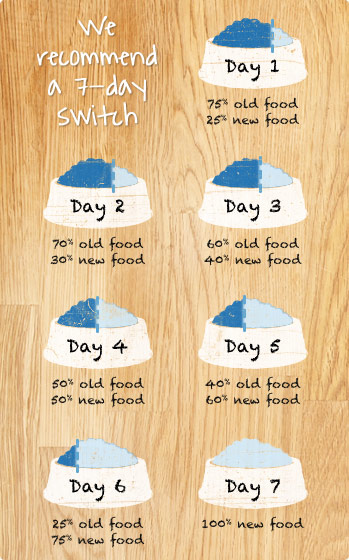
When Should I Change My Dog’s Food?
Change dog food gradually over 7-10 days to avoid upset stomachs. Switch if allergies or health issues arise.
How Can I Change My Dog’s Walking Routine?
Introduce new routes slowly. Keep walks consistent in time and length to help your dog adjust well.
What Is The Best Way To Change My Dog’s Training?
Use positive reinforcement. Replace old commands with clear, simple instructions and reward good behavior consistently.
How Do I Change My Dog’s Sleeping Area?
Move the bed gradually closer to the new spot. Make it cozy and quiet to help your dog settle.
Can I Change My Dog’s Grooming Schedule?
Adjust grooming frequency based on coat type and season. Regular brushing helps keep your dog clean and healthy.
Conclusion
Changing a dog’s behavior takes time and patience. Consistency in training helps your dog learn better. Always use kind words and rewards to guide your pet. Small steps each day bring big changes. Remember, every dog is unique and learns differently.
Stay calm and positive throughout the process. Your efforts will build a strong bond with your dog. Keep trying, and enjoy the journey together.
As an Amazon Associate, I earn from qualifying purchases.