Dealing with cat pee on your couch can feel overwhelming and frustrating. You want your home to be clean and fresh, but the smell and stain seem impossible to remove.
What if you could fix this quickly and easily, without damaging your couch? In this guide, you’ll discover simple, effective steps to clean cat pee out of your couch and keep it smelling great. Keep reading—you’ll be amazed at how easy it is to restore your furniture and enjoy a fresh, odor-free space again.
Identify The Stain
Before cleaning cat pee from your couch, you must identify the stain. This step helps target the exact spot. Cleaning the right area saves time and effort. Cat urine can be tricky to find because it sometimes soaks deep. Properly identifying the stain ensures better cleaning results.
Locate The Affected Area
Start by carefully examining your couch. Look for discoloration or wet spots. Cat pee often leaves a yellowish stain on fabric. Check under cushions and seams where urine can hide. Use a flashlight to help see faint stains. Mark the spots to clean later.
Check For Odor
Smell the couch to find hidden urine. Cat pee has a strong, distinct odor. Sometimes the stain is invisible but the smell is clear. Sniff around cushions and backrests. This helps locate areas needing deep cleaning. Trust your nose to guide you.
Gather Cleaning Supplies
Cleaning cat pee out of a couch requires the right supplies. Having everything ready makes the process easier and faster. You need specific cleaners and tools to remove stains and odors completely.
Essential Cleaners
Choose cleaners that break down urine stains and smell. Enzyme-based cleaners work best. They digest urine molecules and stop odors. Avoid harsh chemicals that can damage fabric or make stains worse. A mild dish soap can help for light stains. White vinegar is useful for neutralizing smells. Always test cleaners on a hidden spot first.
Tools You Need
Gather soft cloths and paper towels to blot the mess. Use a spray bottle to apply cleaners evenly. A soft brush helps lift stains gently. Gloves protect your hands from chemicals and germs. A wet/dry vacuum can remove deep moisture. Have a fan or open windows to dry the couch faster. These tools make cleaning more efficient and less stressful.
Pre-treat The Stain
Pre-treating the stain is the first step to remove cat pee from a couch. This step stops the urine from soaking deeper into the fabric. It helps to break down the stain and reduce the smell.
Act quickly to prevent permanent damage. The sooner you start, the better the results. Use gentle methods to avoid ruining the couch material.
Blotting Techniques
Start by blotting the wet area with a clean cloth or paper towel. Press down gently to soak up the urine. Avoid rubbing the stain, as this spreads it further.
Use fresh cloths as the urine lifts off. Keep blotting until the cloth no longer absorbs moisture. This step removes most of the liquid before cleaning.
Using Cold Water
Pour a small amount of cold water on the stained spot. Cold water helps to dilute the urine without setting the stain. Let the water sit for a minute.
Blot the area again to lift the diluted urine. Repeat this process two or three times. Cold water prevents the stain from becoming permanent.
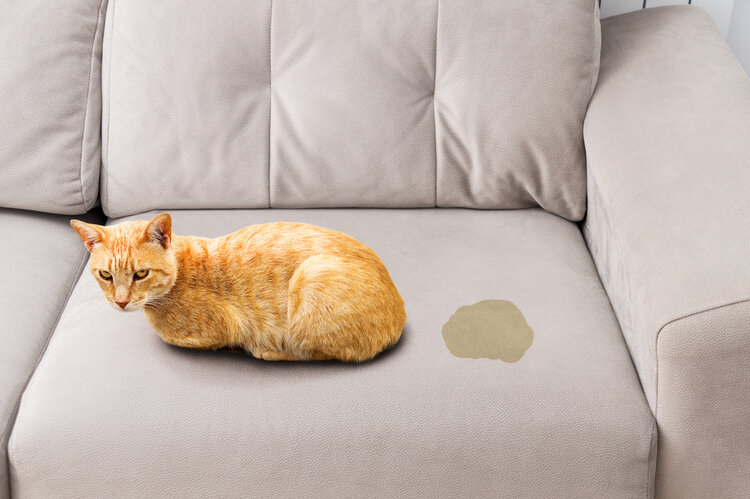
Credit: www.catster.com
Apply Cleaning Solutions
After blotting the cat pee, it is time to apply cleaning solutions. This step helps remove stains and odors deeply. Choosing the right cleaner is important for good results. Some products work better on pet urine than others. Use gentle but effective solutions to protect your couch fabric.
Enzyme-based Cleaners
Enzyme-based cleaners break down urine molecules fast. They remove both stains and smells completely. These cleaners contain natural enzymes that digest organic material. Apply the cleaner generously on the stained area. Let it sit for at least 10 to 15 minutes. Blot the spot with a clean cloth after. Repeat if the smell or stain remains.
Homemade Remedies
Simple homemade remedies can work well too. Mix equal parts white vinegar and water in a spray bottle. Spray the solution on the affected area lightly. Vinegar neutralizes the urine smell effectively. After 5 minutes, sprinkle baking soda over the spot. Let it dry completely, then vacuum the residue. This method is safe and cost-effective for fresh stains.
Deep Clean The Couch
Deep cleaning the couch removes hidden cat pee stains and odors. Surface cleaning is not enough. The urine can soak deep into cushions and fabric. A thorough clean reaches these tough spots. It restores your couch’s freshness and appearance. Use effective tools and methods for best results.
Steam Cleaning Tips
Steam cleaning kills bacteria and lifts dirt. It works well on most couch fabrics. Test a small area first to avoid damage. Use a steam cleaner with a fabric attachment. Move slowly over stained areas. Let steam penetrate the fabric and padding. Avoid soaking the couch too much. Let it dry completely before use. Steam cleaning helps remove odors deeply embedded inside.
Using A Wet Vacuum
Wet vacuums suck out moisture and dirt from fabric. Use it after applying a cleaning solution. Spray a pet-safe cleaner on the stain. Let it sit for a few minutes. Then use the wet vacuum to remove liquid and grime. This method extracts urine trapped inside cushions. Repeat several times for stubborn stains. Allow the couch to dry fully before sitting. Wet vacuums reduce lingering smells and moisture.
:max_bytes(150000):strip_icc()/how-to-get-cat-pee-out-of-bedding-7089856__V2-d55fcfbcfda74b53906d22ceb3ce0fe1.jpg)
Credit: kdfoundation.org
Drying The Couch
After removing cat pee from your couch, drying is essential. Wet fabric can cause mold and bad smells. Quick and proper drying keeps your couch fresh and safe.
Air Drying Methods
Open windows to let fresh air in. Air circulation helps water evaporate faster. Place the couch in a well-ventilated room. Avoid direct sunlight if fabric is delicate. Sunlight can fade colors or damage material. Pat the wet area with a dry towel first. This removes extra moisture and speeds up drying.
Using Fans Or Dehumidifiers
Fans blow air directly on the wet spot. This speeds up evaporation significantly. Use a standing or box fan nearby. Keep the fan running until the couch is dry. A dehumidifier removes moisture from the air. It helps in damp rooms or humid weather. Place the dehumidifier close to the couch. Both tools reduce drying time and prevent mold growth.
Prevent Future Accidents
Stopping cat pee on your couch is key. Cleaning helps, but prevention is best. Cats need clear signals about where to go. You can guide them gently to avoid accidents. This saves your furniture and keeps your home fresh.
Deterring Cats From Couch
Keep the couch less inviting for cats. Place a cover or plastic sheet temporarily. Cats dislike slippery or noisy surfaces. Use scents like citrus or vinegar near the couch. These smells discourage cats without harm. Avoid harsh chemicals that might hurt your pet.
Training Tips
Train your cat to use the litter box every time. Praise and reward them when they do right. Clean the box regularly to keep it fresh. Place it in a quiet, easy-to-find spot. Avoid scolding your cat for accidents. Patience and consistency help build good habits.

Credit: kdfoundation.org
Frequently Asked Questions
How Do I Remove Cat Pee Smell From A Couch?
Use an enzymatic cleaner to break down urine and remove the smell completely.
Can Household Items Clean Cat Pee From Fabric Couches?
Yes, baking soda and white vinegar help neutralize odors and clean the stain well.
How Soon Should I Clean Cat Urine On A Couch?
Cleaning immediately prevents stains and smell from setting deep into the fabric.
Is It Safe To Use Bleach On Couches For Cat Pee Stains?
No, bleach can damage fabric and worsen the stain; avoid using it on couches.
What Tools Do I Need To Clean Cat Pee From A Couch?
You need paper towels, enzymatic cleaner, a spray bottle, and a soft cloth.
How To Prevent Cats From Peeing On The Couch Again?
Clean spots well and use deterrents like citrus sprays or couch covers.
Conclusion
Cleaning cat pee from a couch takes quick action and the right steps. Use gentle cleaners that remove odor and stains. Blot the area instead of rubbing it hard. Let the couch dry completely to avoid smells. Repeat cleaning if needed to keep your couch fresh.
With patience and care, your couch can look and smell good again. Keep these tips handy for any future accidents. A clean couch means a happy home for you and your cat.
As an Amazon Associate, I earn from qualifying purchases.