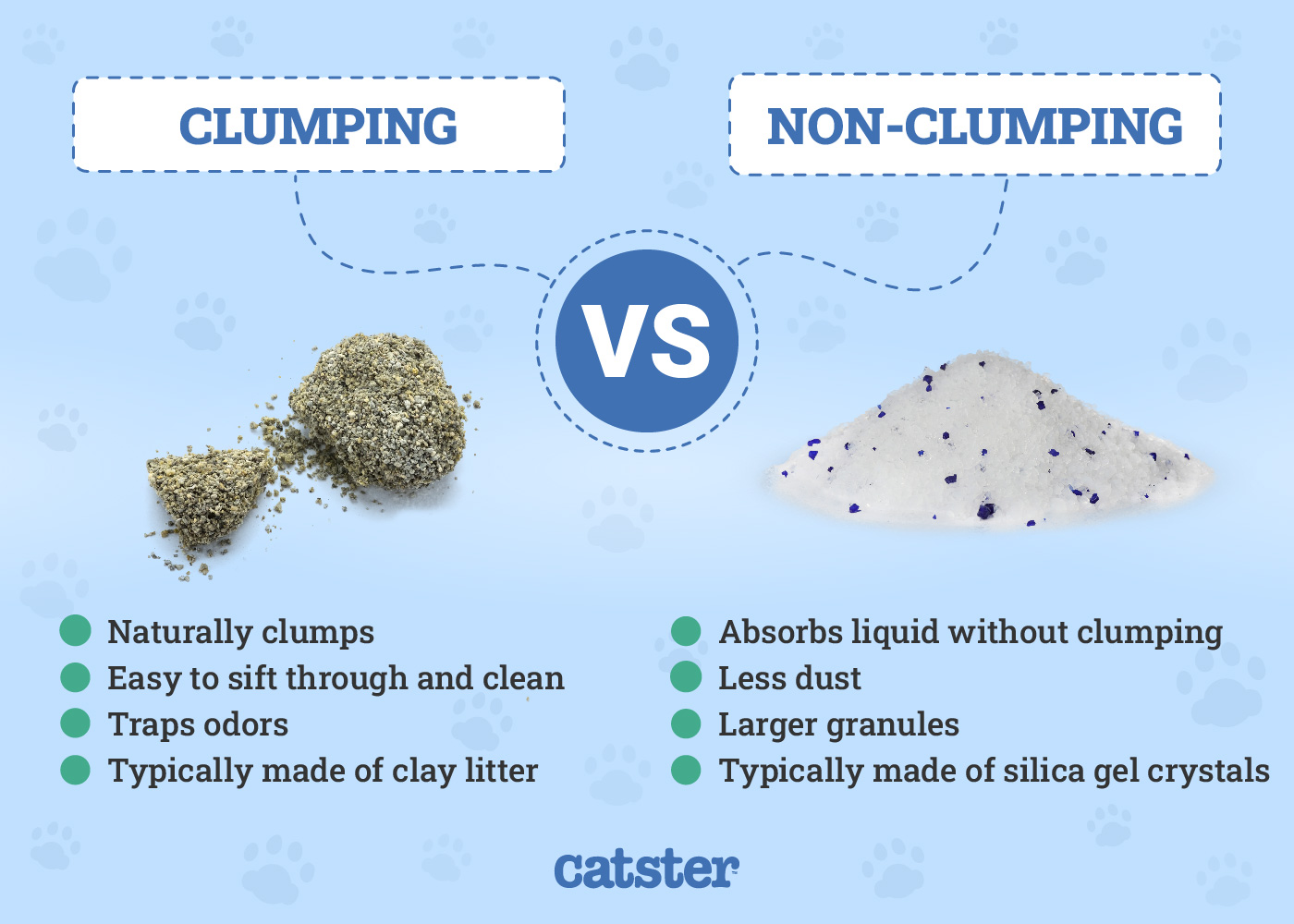
If you have a cat that uses non-clumping litter, you know it can be tricky to keep the litter box fresh and clean. Unlike clumping litter, non-clumping types don’t form solid clumps, which means you can’t just scoop out the mess easily.
This can make cleaning feel like a never-ending chore. But don’t worry—there are simple, effective ways to clean your non-clumping cat litter that will save you time and keep your home smelling fresh. You’ll discover easy steps and tips to make cleaning less stressful for you and more comfortable for your cat.
Keep reading to learn how to take control of your cat’s litter box today.
Choosing The Right Tools
Choosing the right tools makes cleaning non clumping cat litter easier and faster. The right tools help remove waste without wasting good litter. Using proper tools keeps the litter box fresh and your cat happy. Cleaning becomes less messy and more efficient with the right supplies.
Best Scoops For Non Clumping Litter
Scoops with wide slots work best for non clumping litter. They let clean litter fall through and catch clumps or waste. Plastic scoops are lightweight and easy to use. Metal scoops last longer and are strong but may be heavier. Choose a scoop with a comfortable handle for better grip. A deep scoop holds more waste, reducing trips to the trash.
Essential Cleaning Supplies
Keep a small broom and dustpan nearby for loose litter spills. Paper towels or disposable cloths help wipe the litter box edges clean. Mild soap and warm water clean the box thoroughly during full changes. Use gloves to protect your hands from germs. A trash bag or container with a lid keeps waste contained and odor-free.
Credit: www.catster.com
Daily Cleaning Routine
Keeping your cat’s litter box clean daily helps control odor and keeps your home fresh. Non clumping litter does not form solid clumps, so cleaning needs a careful routine. This routine prevents bad smells and keeps your cat happy.
Removing Waste Effectively
Use a scoop with small holes to sift litter gently. Remove solid waste carefully without taking too much clean litter. Change the litter in the scoop often to avoid spreading dirt. Scoop at least once a day to keep the box clean.
Maintaining Freshness Between Changes
Stir the litter daily to spread moisture and reduce odor. Add a small amount of fresh litter to keep the box fresh. Avoid letting wet spots build up, as they cause bad smells. Keep the litter box in a dry, ventilated area for better air flow.
Deep Cleaning The Litter Box
Deep cleaning the litter box is key to keeping your cat’s space fresh and healthy. It removes old litter, odors, and bacteria that build up over time. Regular deep cleaning helps your cat stay comfortable and reduces bad smells in your home.
Emptying And Washing The Box
First, take out all the old litter and put it in a trash bag. Make sure the box is empty before cleaning. Use warm water to rinse the box well. Avoid using soap that leaves a strong smell. A mild dish soap works best. Scrub all corners and sides with a soft brush. Rinse again to remove soap. Let the box dry completely before adding new litter.
Disinfecting Without Harsh Chemicals
Harsh chemicals can harm your cat’s paws and nose. Use natural disinfectants like white vinegar or baking soda. Mix one part vinegar with one part water in a spray bottle. Spray the inside of the box and let it sit for 10 minutes. Wipe clean with a cloth or paper towel. For baking soda, sprinkle it inside the box, scrub, then rinse. These safe options kill bacteria and reduce odors without strong chemicals.
Replacing Non Clumping Litter
Replacing non clumping cat litter is important to keep your cat’s area clean and fresh. Unlike clumping litter, non clumping types do not form solid clumps to scoop. This means the whole litter needs to be changed regularly to avoid odors and bacteria buildup. Proper timing and disposal help maintain hygiene and comfort for your pet.
How Often To Change Litter
Change non clumping cat litter at least once a week. If you have multiple cats, change it more often. This prevents smell and keeps the box pleasant. Check the litter daily for wet spots or strong odors. Replace all the litter when it looks dirty or smells bad. Fresh litter helps stop infections and keeps cats happy.
Proper Disposal Methods
Dispose of used non clumping litter in a sealed bag. This stops smells from spreading in your trash. Do not flush litter down the toilet. It can cause plumbing problems and harm the environment. Use a dedicated trash bin for cat waste. Clean the litter box with mild soap and water before adding new litter. This keeps germs away and the box fresh.
Controlling Odors Naturally
Controlling odors naturally is key when using non clumping cat litter. This type of litter does not form clumps to trap smells. So, odor control relies on other simple and safe methods. Natural ways keep your home fresh without harsh chemicals.
Using Baking Soda And Other Absorbers
Baking soda is a popular natural odor absorber. Sprinkle a thin layer at the bottom of the litter box before adding litter. It helps neutralize bad smells quickly. You can also mix baking soda into the litter for extra control.
Other natural absorbers include activated charcoal and zeolite. These materials trap moisture and odors effectively. Place small sachets or pouches near the litter box. This adds an extra layer of odor control without chemicals.
Ventilation Tips For Odor Reduction
Good airflow reduces odor build-up around the litter box. Place the box in a well-ventilated area, like near a window. Open windows regularly to let fresh air in.
Use a small fan to improve air circulation if needed. Avoid closed or cramped spaces. Proper ventilation helps odors dissipate faster, keeping the room fresh.

Credit: articles.hepper.com
Preventing Litter Tracking
Preventing litter tracking is important for keeping your home clean and fresh. Non clumping cat litter can easily stick to your cat’s paws. This causes small bits of litter to spread outside the box. Controlling this mess helps save time and effort in cleaning.
Litter Mats And Box Placement
Place a litter mat under and around the litter box. Mats catch loose litter from your cat’s paws. Choose mats with soft, textured surfaces for better trapping. Clean the mat regularly to avoid buildup and odors. Position the litter box in a low-traffic area. This reduces how much litter spreads around your home. Avoid placing the box near doors or carpets.
Training Cats To Minimize Mess
Teach your cat to step off the litter mat before walking away. Use gentle rewards when your cat uses the mat correctly. Keep your cat’s nails trimmed to reduce litter sticking. Clean the litter box often to keep litter dry and less sticky. Observe your cat’s habits and adjust the setup as needed. Patience helps your cat learn to keep the area clean.

Credit: smart.dhgate.com
Frequently Asked Questions
How Often Should I Clean Non Clumping Cat Litter?
Clean non clumping litter every day to remove waste and keep the box fresh.
What Tools Do I Need To Clean Non Clumping Litter?
Use a scoop, trash bag, mild detergent, and warm water for cleaning.
Can I Reuse Non Clumping Cat Litter After Cleaning?
Non clumping litter is usually replaced fully, not reused, for better hygiene.
How Do I Remove Odor From Non Clumping Litter?
Regular scooping and washing the box help control odor effectively.
Is It Safe To Use Soap When Cleaning The Litter Box?
Yes, mild soap cleans well without harming your cat or the box.
How Do I Prevent Litter From Sticking To The Box?
Rinse the box regularly and dry it before adding fresh litter.
Conclusion
Cleaning non-clumping cat litter takes patience and care. Scoop out waste daily to keep the box fresh. Stir the litter often to prevent odor and moisture buildup. Replace the litter completely every one to two weeks. Use mild soap and warm water to clean the litter box itself.
Dry it well before adding new litter. A clean litter box makes your cat happy and healthy. Small steps make a big difference in maintaining a fresh home. Keep up with these simple habits for best results.
As an Amazon Associate, I earn from qualifying purchases.