Bringing a rescue dog into your home is a wonderful experience, but it can also come with challenges. One of the best ways to help your new furry friend feel safe and comfortable is crate training.
If you’re wondering how to crate train a rescue dog, you’re not alone. Many rescue dogs need a little extra patience and care to adjust to their new environment. This guide will walk you through simple, effective steps to make crate training a positive experience for both you and your dog.
Keep reading to discover how you can create a safe space that your rescue dog will love.
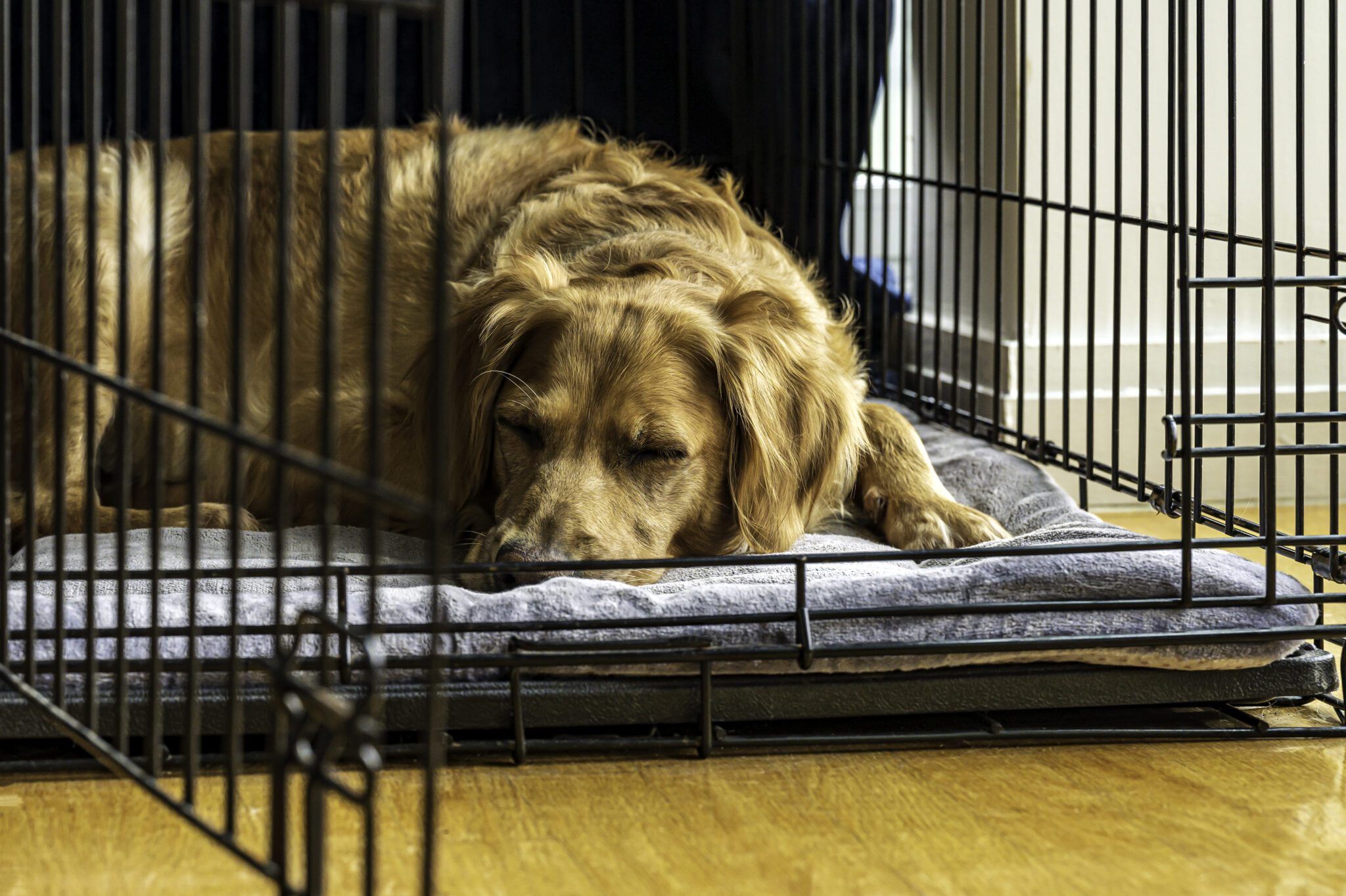
Credit: www.whole-dog-journal.com
Choosing The Right Crate
Choosing the right crate is key to successful crate training for your rescue dog. The crate should feel safe and comfortable. It will become your dog’s special place.
Select a crate that fits your dog’s size and needs. The right crate helps build trust and calmness. This step makes training easier and less stressful.
Types Of Crates
Plastic crates offer a cozy, enclosed space. They are great for travel and small dogs.
Wire crates provide good ventilation and visibility. They help dogs feel less confined.
Soft-sided crates are lightweight and easy to carry. They work well for calm dogs and short use.
Sizing Your Crate
Choose a crate big enough for your dog to stand, turn, and lie down. Too small feels cramped. Too big may reduce the sense of security.
Measure your dog from nose to tail and add a few inches. This ensures comfort and room to move.
A well-sized crate supports your dog’s growth and comfort during training.
Crate Location Tips
Place the crate in a quiet but social area of your home. Your dog will feel part of the family.
Avoid noisy or isolated spots. This can cause anxiety and fear.
Keep the crate away from direct sunlight or cold drafts. Comfort is important for your dog’s rest.
Preparing Your Rescue Dog
Preparing your rescue dog for crate training takes patience and care. Rescue dogs may have had tough experiences. They need time to feel safe and trust you. A calm and gentle approach helps your dog accept the crate as a safe space.
Understanding your dog’s past and current behavior can guide your training steps. Building a strong bond before crate training is important. Introduce the crate slowly to avoid fear or stress.
Assessing Your Dog’s Background
Learn about your rescue dog’s history. Some dogs may have faced trauma or neglect. These experiences affect their comfort with confined spaces. Watch your dog’s reactions to new places and people. Note signs of fear or anxiety. This helps you plan gentle crate training steps.
Building Trust And Comfort
Spend quiet time with your dog every day. Use soft voices and gentle pets. Offer treats and praise often. Let your dog explore your home safely. Show patience if your dog hides or avoids attention. Trust forms when your dog feels safe with you.
Introducing The Crate Slowly
Place the crate in a quiet room where your dog likes to rest. Keep the door open at first. Put soft bedding inside the crate. Encourage your dog to go near the crate by placing treats nearby. Let your dog enter the crate on their own. Avoid forcing your dog inside. Gradually increase the time your dog spends in the crate. Always reward calm behavior in the crate.
Creating Positive Associations
Creating positive associations helps your rescue dog feel safe and happy in the crate. It changes the dog’s view of the crate from a place of fear to a cozy spot. This step is key for smooth crate training. Patience and kindness work best here.
Using Treats And Toys
Give your dog tasty treats inside the crate. Use soft, small treats that the dog likes. Toss treats gently into the crate to encourage entry. Place favorite toys inside to make the crate inviting. Toys keep the dog busy and relaxed. Avoid forcing the dog inside. Let them explore at their own pace.
Feeding Meals In The Crate
Feed your dog meals inside the crate to build trust. Start by placing the food bowl near the crate door. Gradually move the bowl inside over days. Eating in the crate links it to good things. This method makes the crate a happy place. Watch your dog eat calmly without stress.
Calming Techniques
Speak softly near the crate to soothe your dog. Use gentle petting if the dog is comfortable. Play calm music or white noise to reduce anxiety. Cover the crate with a light blanket for a cozy feel. Avoid loud noises or sudden movements around the crate. These steps help your dog relax and stay calm.
Establishing A Crate Routine
Establishing a crate routine helps your rescue dog feel safe and calm. A steady routine makes the crate a positive place. It reduces stress and builds trust between you and your dog.
Start slow and be patient. Your dog needs time to adjust to the crate. A good routine creates comfort and good habits.
Short Crate Sessions
Begin with short crate sessions. Just a few minutes at first. Let your dog explore the crate freely. Use treats or toys to encourage entry. Keep sessions positive and stress-free. Avoid forcing your dog inside. Short sessions build a positive connection.
Gradually Increasing Time
Slowly increase the time spent in the crate. Add a few minutes each day. Watch your dog’s comfort level closely. Stop if your dog shows stress. Take breaks and try again later. Gradual increases help your dog adapt. Patience is key to success.
Consistent Daily Schedule
Create a daily schedule for crate time. Use the same times every day. Dogs like routines and predictability. This helps reduce anxiety and confusion. Include crate time during meals, naps, and play breaks. Consistency makes the crate a normal part of life. Your dog will learn what to expect.
Handling Common Challenges
Crate training a rescue dog brings many rewards. It also comes with some challenges. These challenges are normal and can be handled with patience and care. Understanding common problems helps you guide your dog better. Here are some key tips to manage these issues effectively.
Dealing With Whining And Barking
Whining and barking often mean your dog feels uneasy. They may want attention or need to go outside. Ignore the noise at first to avoid encouraging it. Only open the crate when your dog is calm. Use calm, soft words to soothe your dog. Give praise when they stop making noise. This teaches quiet behavior in the crate.
Preventing Separation Anxiety
Separation anxiety can make crate time hard for rescue dogs. Start with short crate sessions while you stay nearby. Slowly increase the time your dog spends alone. Leave a favorite toy or blanket inside the crate. This gives comfort and reduces stress. Keep arrivals and departures low-key to avoid excitement. A calm environment helps your dog feel safe.
Addressing Accidents In The Crate
Accidents happen during crate training, especially with rescue dogs. Clean the crate thoroughly to remove odors. Use an enzymatic cleaner to stop repeat accidents. Make sure your dog has bathroom breaks before crate time. Avoid scolding your dog for accidents. This can cause fear and confusion. Patience and routine help your dog learn proper habits.

Credit: cincinnatianimalcare.org
Reinforcing Good Behavior
Reinforcing good behavior is key to successful crate training. It helps your rescue dog feel safe and confident. Positive reinforcement encourages your dog to repeat calm and quiet actions. Consistency builds trust and makes the crate a happy place.
Focus on rewarding the behaviors you want to see. Ignore unwanted actions without punishment. This approach strengthens your dog’s calmness and patience in the crate.
Rewarding Calmness
Give treats or praise when your dog stays calm in the crate. Calmness means no barking, whining, or scratching. Use a soft voice to say “good dog.” Offer a favorite toy for comfort. These rewards make your dog enjoy crate time. Avoid giving attention if your dog acts restless or noisy.
Using Commands Effectively
Teach simple commands like “crate” or “bed” to guide your dog. Use the same word each time you ask your dog to enter the crate. Give a treat right after your dog follows the command. Keep training sessions short and positive. Clear commands help your dog understand expectations quickly.
Monitoring Progress
Watch your dog’s reactions during crate training. Note how long your dog stays calm inside. Track any changes in behavior or stress signs. Adjust your training based on your dog’s comfort level. Celebrate small wins to keep your dog motivated.
When To Seek Professional Help
Crate training a rescue dog can be challenging. Some dogs adjust quickly, but others may show signs of stress or fear. Knowing when to seek professional help is important. Early support can prevent problems from getting worse. Professionals have the skills to guide both you and your dog through tough moments.
Recognizing Behavioral Issues
Watch for signs of anxiety or aggression in your dog. Constant barking, biting, or destructive chewing are red flags. Avoidance of the crate or panic when near it also signals trouble. These behaviors can harm your dog’s progress and safety. Recognizing these issues early helps you decide on expert help.
Finding A Trainer
Look for a trainer who has experience with rescue dogs. Choose someone who uses gentle, reward-based methods. A good trainer will teach you how to work with your dog calmly. This support builds trust and improves crate training results. Ask for recommendations or read reviews to find the right person.
Using Support Resources
Use books, videos, and online forums designed for rescue dog training. Many shelters and rescues offer free or low-cost training classes. Support groups connect you with other owners facing similar challenges. These resources provide ideas and encouragement. They help you stay patient and consistent with training.
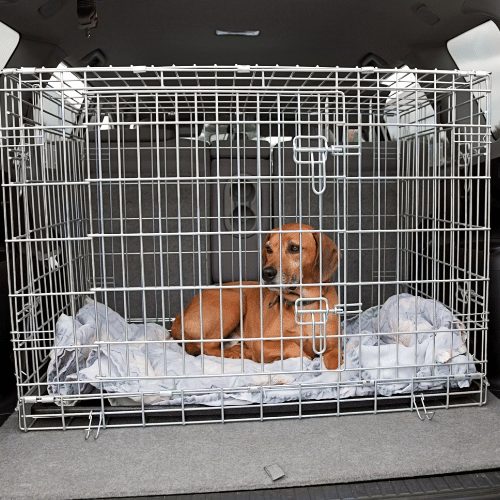
Credit: spiritdogtraining.com
Frequently Asked Questions
How Long Does Crate Training A Rescue Dog Take?
Crate training usually takes a few weeks. Consistency and patience help dogs adjust faster.
What Size Crate Is Best For A Rescue Dog?
Choose a crate big enough for your dog to stand and turn around comfortably.
How To Make A Crate Comfortable For A Rescue Dog?
Add soft bedding and a favorite toy. Keep the crate quiet and cozy.
Can Crate Training Reduce Anxiety In Rescue Dogs?
Yes, a crate can create a safe space that helps lower stress and anxiety.
How Often Should A Rescue Dog Stay In The Crate?
Limit crate time to a few hours during the day and overnight for rest.
What Are Common Mistakes In Crate Training Rescue Dogs?
Avoid forcing the dog inside or using the crate for punishment. Be gentle and patient.
Conclusion
Crate training a rescue dog takes time and patience. Keep sessions short and positive. Let your dog explore the crate without pressure. Use treats and praise to build trust. Be consistent with your routine every day. Your dog will learn to see the crate as a safe place.
This helps reduce stress and build good habits. Remember, kindness and calmness make training easier. Enjoy the journey with your new friend. Small steps lead to big progress.
As an Amazon Associate, I earn from qualifying purchases.