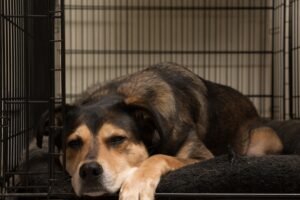
Are you looking for a healthy, tasty treat your dog will love? Making your own dehydrated chicken treats is easier than you think.
Not only can you control the ingredients, but you’ll also save money and know exactly what your furry friend is eating. In this guide, you’ll learn simple steps to dehydrate chicken safely and effectively right at home. Keep reading to discover how you can create delicious, natural dog treats that your pup will be begging for!
Credit: www.thepurposefulpantry.com
Benefits Of Dehydrated Chicken Treats
Dehydrated chicken treats offer many benefits for dogs and their owners. They are simple to make and keep the natural flavor of the chicken. These treats provide a healthy snack option that dogs love. Dehydrating chicken also helps preserve nutrients and extend shelf life without additives.
Nutritional Value For Dogs
Dehydrated chicken treats are rich in protein, vital for muscle growth. They contain no fillers or artificial ingredients. The drying process keeps most vitamins and minerals intact. Dogs receive a pure, natural source of energy and nutrients. These treats support a healthy coat and strong immune system. They are low in fat and easy to digest.
Advantages Over Store-bought Treats
Store-bought treats often contain preservatives and fillers. Dehydrated chicken treats have no harmful chemicals. Making treats at home lets you control the ingredients. They are fresher and more affordable than many commercial options. Homemade treats reduce the risk of allergies and sensitivities. Dogs enjoy the authentic taste of real chicken without additives.
Choosing The Right Chicken
Choosing the right chicken is key to making healthy dog treats. The quality and type of chicken affect taste, nutrition, and safety. Selecting the best chicken ensures your dog enjoys a tasty, wholesome snack.
Best Cuts For Treats
Chicken breast is lean and easy to slice for treats. It has low fat and cooks evenly. Chicken thighs offer more flavor but contain more fat. Avoid chicken with skin or bones for safety. Thin, boneless cuts dry faster and become crunchy treats.
Organic Vs. Conventional Chicken
Organic chicken comes from birds raised without antibiotics or hormones. This means fewer chemicals in the meat. Conventional chicken is more common and usually less expensive. Both can be safe if cooked and dried properly. Organic chicken may provide extra nutrients and fewer additives.
Preparing Chicken For Dehydration
Preparing chicken for dehydration is the first step to make healthy dog treats. Clean and cut the chicken properly. This helps the meat dry evenly. Proper preparation also keeps the treats safe and tasty for your dog.
Cleaning And Trimming
Start by washing the chicken under cold water. Remove any fat, skin, and bones. Fat can spoil the treats faster. Skin holds moisture and slows drying. Trim off all parts that dogs should not eat. This ensures the treats stay fresh longer.
Slicing Techniques
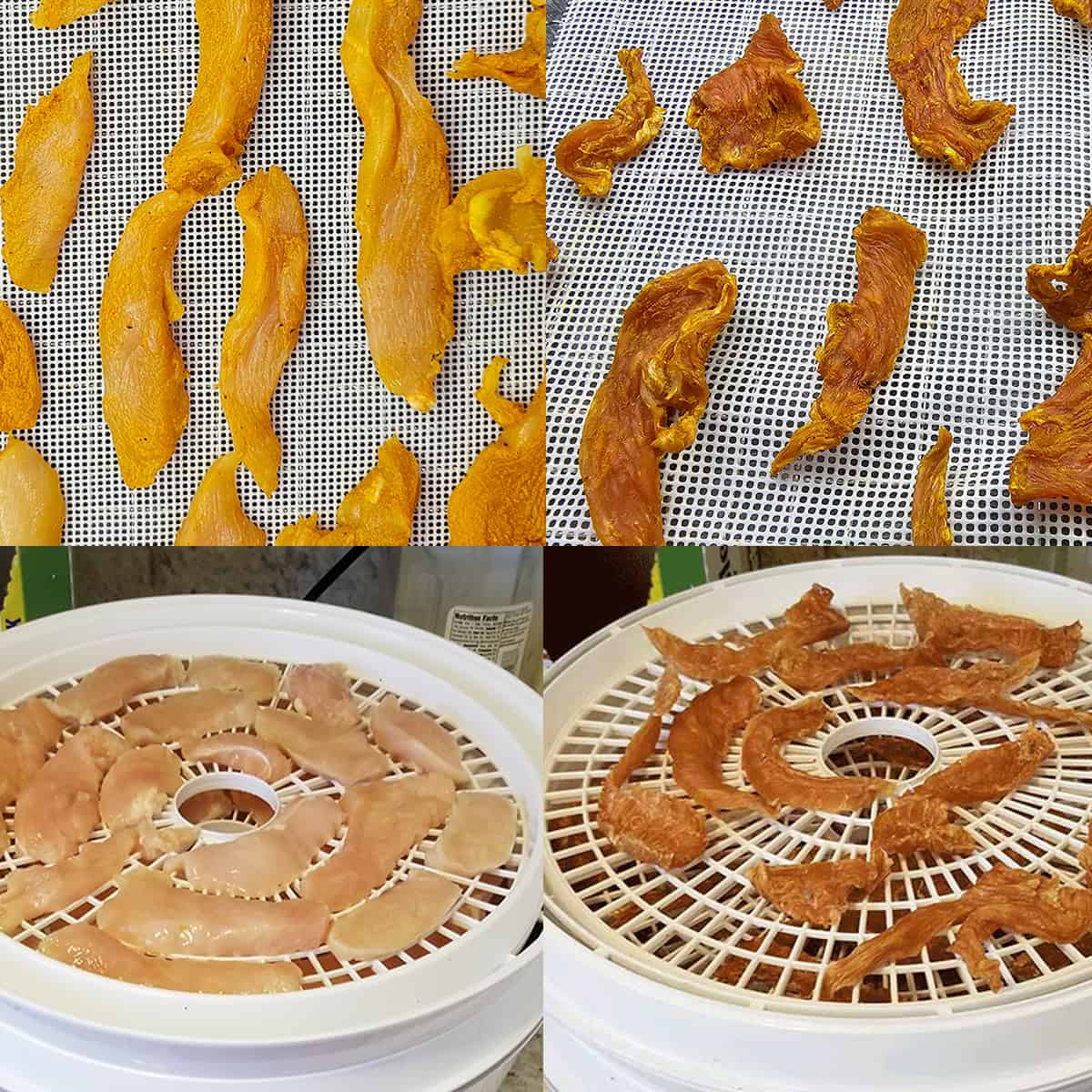
Cut the chicken into thin, even strips. About 1/4 inch thick works well. Thin pieces dry faster and more evenly. Use a sharp knife for clean cuts. Slice against the grain for softer treats. Against the grain pieces are easier to chew.
Credit: 3pawskitchen.com
Dehydration Methods
Dehydrating chicken is a great way to make healthy, long-lasting dog treats. Different methods remove moisture from the chicken, helping preserve it and keep it safe for your pet. Each method has unique steps and benefits. Choose the best one for your needs and equipment.
Using A Food Dehydrator
A food dehydrator is the easiest tool for drying chicken. Slice the chicken thin and place pieces on the dehydrator trays. Set the temperature to 145°F (63°C) to kill bacteria while drying. Dry for 4 to 6 hours or until fully dry. The airflow helps remove moisture evenly. Dehydrators save energy and keep the kitchen cool.
Oven Drying Process
Oven drying works well if you lack a dehydrator. Preheat the oven to the lowest setting, around 170°F (77°C). Lay chicken strips on a baking sheet with a wire rack to allow air circulation. Keep the oven door slightly open to let moisture escape. Check the chicken every hour. Drying takes 2 to 4 hours depending on thickness. This method requires more attention but gives good results.
Air Drying Tips
Air drying is the most natural method but takes longer. Use thin chicken strips and a clean, dry place with good airflow. Hang the strips or lay them on a rack. Avoid humid or warm areas that can cause spoilage. This method can take several days. Check chicken daily for softness or mold. Air drying uses no electricity and keeps treats natural.
Dehydration Time And Temperature
Dehydrating chicken for dog treats requires careful attention to time and temperature. Proper settings ensure the chicken dries completely and stays safe for your pet. Too low a temperature may not remove moisture well. Too high may cook or burn the meat. The goal is to remove water while keeping the meat firm and safe.
Ideal Settings For Safety
Set your dehydrator or oven to 160°F (71°C). This temperature kills harmful bacteria in the chicken. Drying times vary by thickness, usually 4 to 6 hours. Thin strips dry faster. Check the chicken every hour after the first 3 hours. Turn pieces for even drying. Avoid temperatures below 140°F. They can leave bacteria alive. Avoid temperatures above 170°F. They may cook the chicken instead of drying it.
Signs Chicken Is Fully Dehydrated
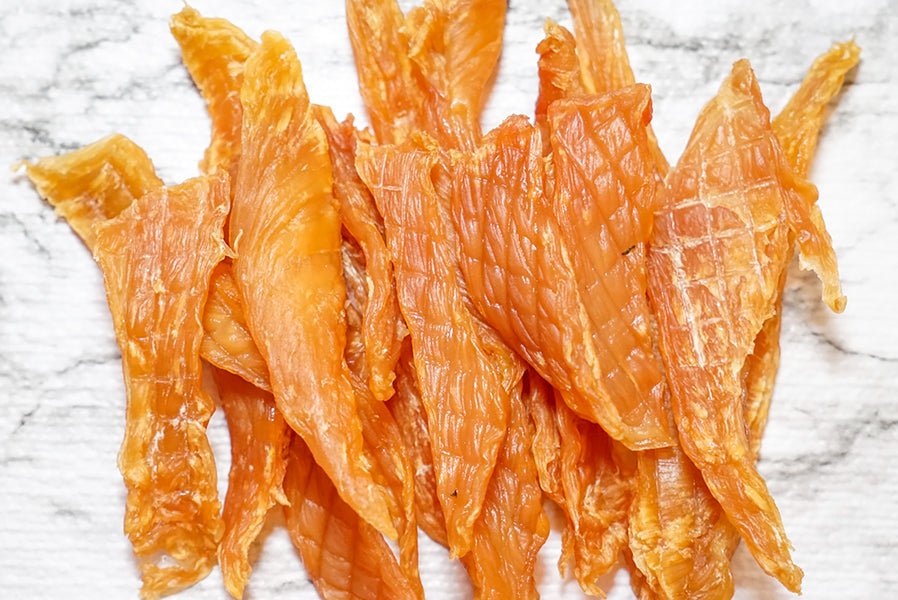
Fully dehydrated chicken feels dry and firm. It should snap or break easily. No soft or moist spots remain. The texture is leathery, not brittle. If the chicken bends without breaking, it needs more time. Properly dried chicken will not feel sticky. Smell is neutral or slightly meaty. No sour or off odors. Proper dehydration keeps treats safe and long-lasting.
Storing Dehydrated Chicken Treats
Storing dehydrated chicken treats properly keeps them fresh and safe for your dog. Good storage stops moisture and air from spoiling the treats. It also keeps the flavor and crunchiness intact. Follow simple steps to store your homemade treats well.
Packaging Options
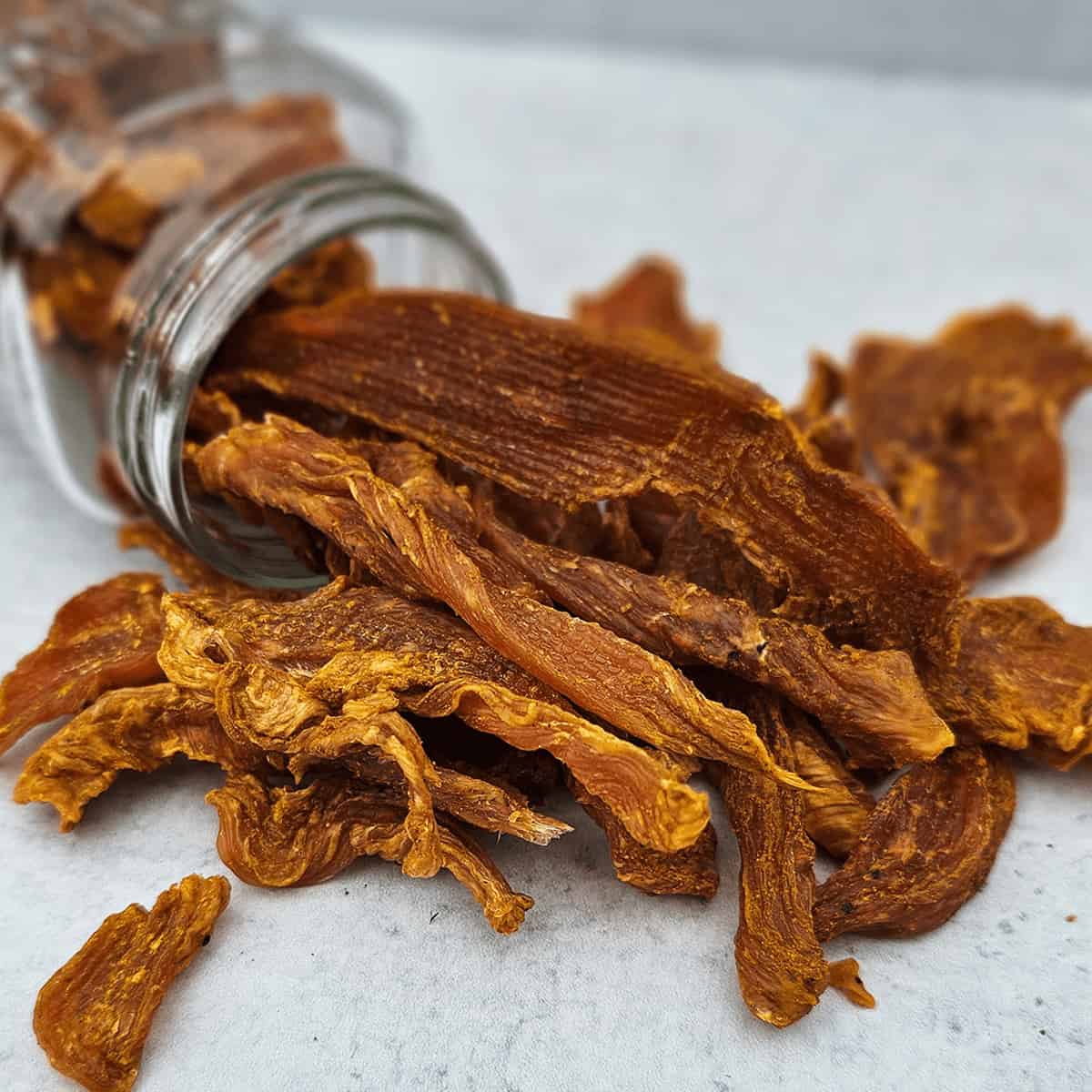
Use airtight containers to keep treats dry. Glass jars with tight lids work well. Plastic containers with snap-on lids are another choice. Resealable plastic bags can also store small batches. Make sure containers are clean and dry before use. Label containers with the date you made the treats. This helps track freshness easily.
Shelf Life And Preservation
Dehydrated chicken treats usually last up to two weeks at room temperature. Store in a cool, dark place away from sunlight. For longer storage, keep treats in the fridge. They can last for up to one month when refrigerated. Freeze treats for up to six months to keep them fresh longer. Always check treats for any smell or texture changes before giving them to your dog.
Safety Tips And Precautions
Dehydrating chicken for dog treats is a great way to provide healthy snacks. Safety is very important during this process. Following safety tips helps keep your dog safe and healthy. Careful preparation reduces risks of illness or contamination. Always focus on cleanliness and proper storage.
Avoiding Contamination
Clean all surfaces before starting. Wash your hands well with soap and water. Use separate cutting boards for chicken and other foods. This stops bacteria from spreading. Always use fresh, high-quality chicken to avoid spoilage. Keep raw chicken cold until ready to dehydrate. Store dehydrated treats in airtight containers. This prevents bacteria growth and keeps treats fresh.
Portion Control For Dogs
Give treats in small amounts. Too many treats can upset your dog’s stomach. Adjust treat size based on your dog’s weight and health. Use treats as rewards, not meals. Monitor your dog’s reaction to new treats. Stop giving treats if you notice any allergies or discomfort. Proper portion control keeps your dog healthy and happy.
Customizing Treats With Flavors
Customizing chicken treats with flavors makes snack time exciting for dogs. It adds a new twist to plain chicken. Dogs enjoy different tastes, just like people. Adding safe flavors can boost their interest and make treats more fun.
Dog-friendly Seasonings
Choose seasonings that are safe for dogs. Plain herbs like parsley or basil work well. These herbs add mild flavor without harm. Avoid salt, onion, garlic, and spicy spices. They can hurt a dog’s health. Use small amounts to keep treats healthy and tasty.
Adding Variety Safely
Mix different safe flavors to keep treats fresh. Try pumpkin powder or a little turmeric for a new taste. Rotate flavors to prevent boredom. Always introduce one new flavor at a time. Watch for any signs of allergy or stomach upset. Safe variety helps dogs enjoy treats more.
Credit: www.thepurposefulpantry.com
Frequently Asked Questions
What Is The Best Chicken Cut For Dehydrating Dog Treats?
Chicken breast is lean and easy to dehydrate, making it the best choice for dog treats.
How Long Should Chicken Dehydrate For Dog Treats?
Dehydrate chicken at 160°F for 6 to 8 hours until fully dry and crispy.
Can I Use Frozen Chicken For Dehydrating Dog Treats?
Yes, thaw frozen chicken completely before slicing and dehydrating for even drying.
Is Dehydrated Chicken Safe For All Dog Sizes?
Yes, dehydrated chicken treats are safe for dogs of all sizes when given in moderation.
How Should I Store Dehydrated Chicken Dog Treats?
Store treats in an airtight container in a cool, dry place to keep them fresh.
Can I Add Seasoning To Chicken Before Dehydrating?
No, avoid seasoning; plain chicken is healthier and safer for dogs.
Conclusion
Dehydrating chicken for dog treats is simple and safe. You only need fresh chicken and a dehydrator or oven. Cut the chicken into thin strips for even drying. Dry until the meat is fully hard and dry inside. Store the treats in an airtight container for freshness.
Your dog will enjoy tasty, homemade snacks. This method saves money and controls ingredients. Try it today and see your dog’s happy tail wag!
As an Amazon Associate, I earn from qualifying purchases.