Is your cat scratching post looking worn out or falling apart? You’re not alone.
Many cat owners face this problem, and it can be frustrating when your furry friend loses interest in their favorite spot. But don’t worry—fixing your cat’s scratching post is easier than you think. You’ll learn simple, effective steps to repair and refresh your cat’s post.
Keep reading to bring back the fun and keep your cat happy and engaged!
Common Issues With Cat Scratching Posts
Cat scratching posts often face wear and tear from daily use. Understanding common problems helps fix them quickly. This keeps your cat happy and safe.
Frayed Sisal Rope
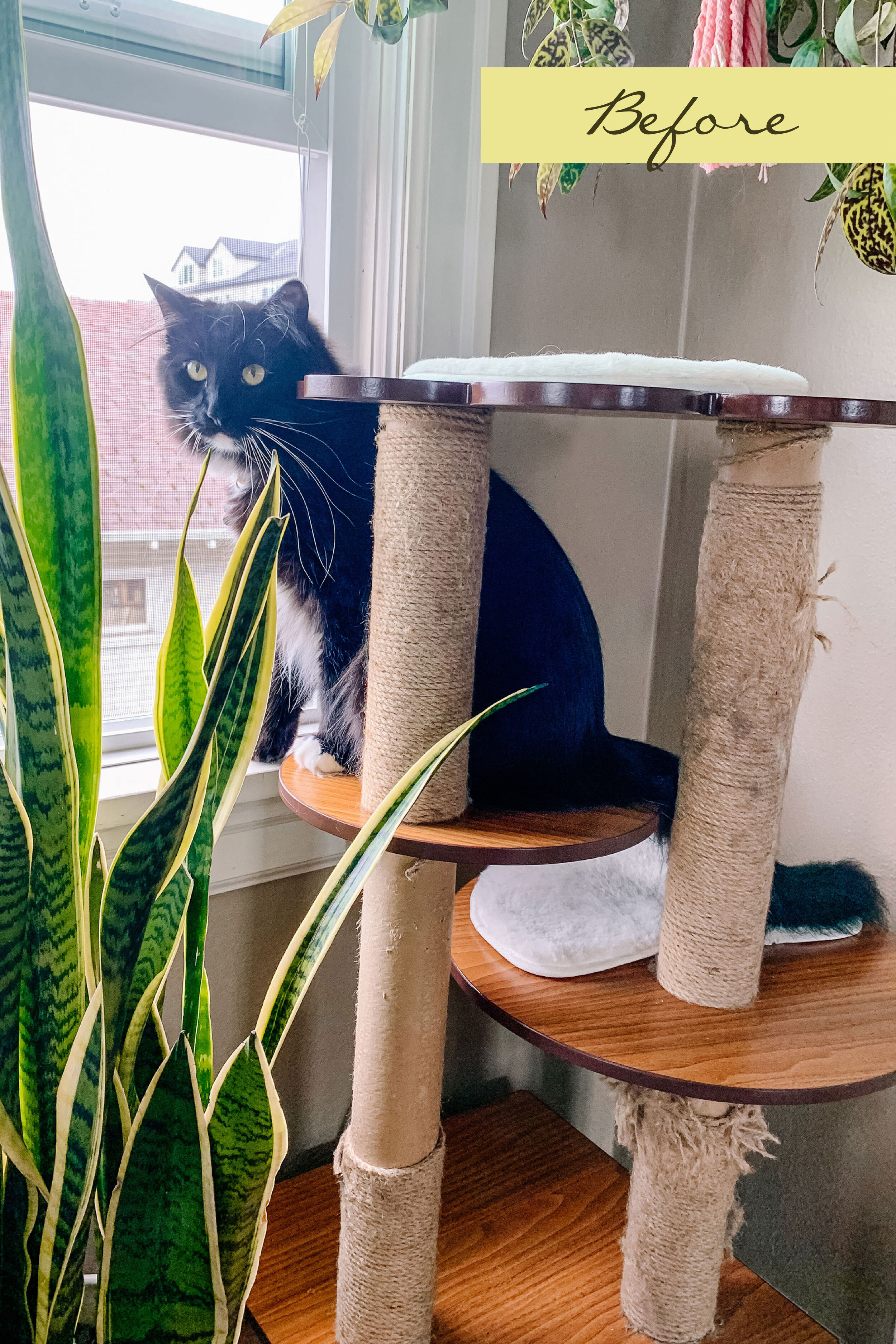
Sisal rope is a popular material on scratching posts. Over time, cats scratch and pull it apart. This causes the rope to fray and lose its grip. Replace the rope by unwinding the old one. Wrap new sisal rope tightly around the post. Secure it with strong glue or staples.
Loose Base Or Legs
The base or legs of a scratching post can become unstable. Cats need a steady post to scratch safely. Tighten any screws or bolts. Use wood glue for extra strength. If legs are broken, replace them with sturdy wood pieces. A solid base prevents wobbling and accidents.
Worn-out Platforms
Platforms on cat trees wear down from jumping and scratching. The surface may become rough or weak. Remove old fabric or padding carefully. Attach new soft fabric or carpet. Use a staple gun or glue to fix it firmly. A fresh platform invites cats to climb and rest.
Damaged Fabric Or Carpet
Fabric or carpet on scratching posts tears easily. Cats claw and dig with force. Cut away damaged parts. Measure and cut new fabric or carpet pieces. Attach them tightly with staples or glue. Choose durable materials for longer use.

Credit: www.instructables.com
Tools And Materials Needed
Fixing a cat scratching post needs the right tools and materials. This section shows what you need for a simple repair. Having everything ready makes the job easier and faster.
Basic Repair Tools
Start with common tools found in most homes. A screwdriver helps remove or tighten screws. Pliers can pull out nails or hold parts steady. A small hammer works well for nails or tacks. Scissors or a utility knife are useful to cut old or new fabric. Measuring tape ensures you get the right size for replacements.
Replacement Materials
Replacing worn parts keeps the post safe and fun for your cat. Use sisal rope or fabric for the scratching area. Wood or sturdy cardboard can replace broken posts or bases. Soft padding or foam helps keep the post comfortable. Buy materials that are safe and non-toxic for pets.
Adhesives And Fasteners
Use strong glue designed for wood or fabric to hold parts together. Hot glue is quick and easy for small fixes. Nails and screws add extra strength for bigger repairs. Make sure fasteners are tight but not too sharp to avoid hurting your cat. Tape can help hold pieces temporarily during repair.
Fixing Frayed Sisal Rope
Fixing frayed sisal rope on a cat scratching post keeps it strong and safe. Cats love scratching posts, but rough rope can cause splinters or unravel. Repairing the rope is easy with a few tools and some patience. Follow these steps to renew the post and make it inviting again.
Removing Old Rope
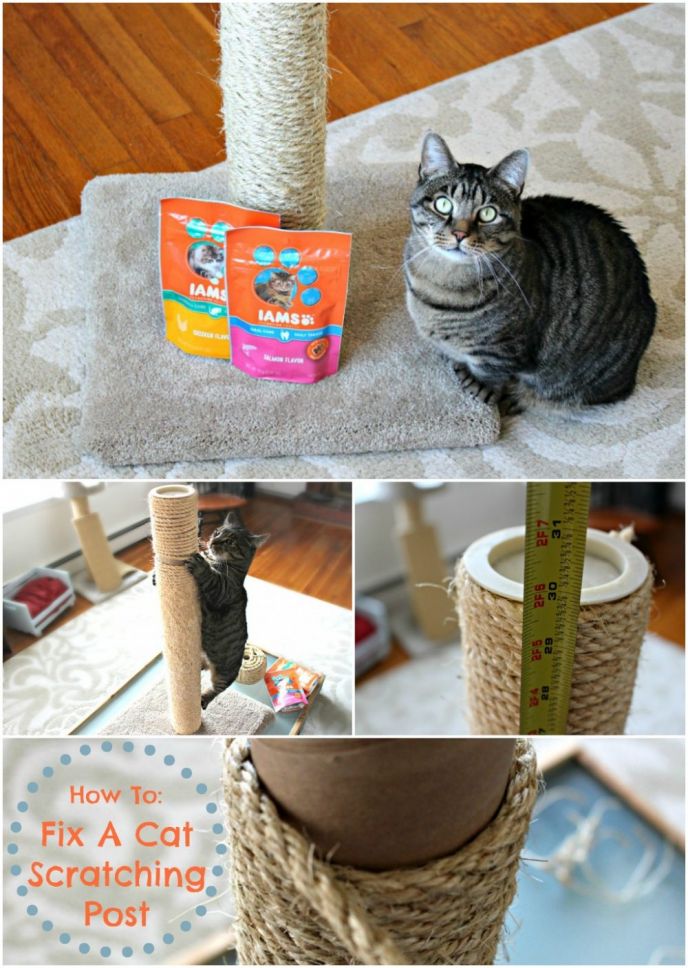
Start by cutting the old rope with scissors or a utility knife. Remove all loose and frayed pieces. Pull the rope off carefully to avoid damaging the post. Clean the surface to remove dust and leftover fibers. A smooth base helps the new rope stick better.
Rewrapping With New Sisal
Use natural sisal rope, about 6mm thick, for the best grip. Begin at the bottom or top of the post. Wrap the rope tightly around the post, close to each previous coil. Keep the rope snug to prevent gaps or loose ends. Work slowly to keep the coils even and neat.
Securing The Ends
Use strong glue to fix the start and end of the rope. Press the rope firmly into the glue to hold it in place. Wrap the end a few more times if needed before gluing. Let the glue dry fully before letting your cat use the post. This keeps the rope secure and long-lasting.
Stabilizing The Base And Legs
Stabilizing the base and legs of a cat scratching post is key to keep it steady. A shaky post may scare your cat or cause damage. A strong base helps your cat scratch safely and enjoy the post more. Fixing the base is simple with a few tools and steps.
Tightening Screws And Bolts
Check all screws and bolts on the base and legs. Use a screwdriver or wrench to tighten them firmly. Loose screws cause wobbling and weaken the post. Tight screws make the post stable and safe for your cat’s play.
Reinforcing Weak Joints
Look for cracks or loose joints in the legs and base. Use wood glue or brackets to strengthen these weak spots. Clamp the pieces until the glue dries for a strong hold. Reinforced joints stop the legs from shaking or bending.
Adding Non-slip Pads
Stick non-slip pads under the legs to prevent sliding on floors. Pads also protect your floor from scratches. Choose thick rubber or silicone pads for good grip. Non-slip pads keep the post in place during your cat’s active moments.
Repairing Platforms And Perches
Platforms and perches on a cat scratching post often suffer the most wear. Cats jump, climb, and rest there every day. Fixing these parts keeps the post safe and fun. A sturdy perch gives your cat a perfect place to relax.
Repairing these areas does not need special skills. Small fixes can extend the life of the post. Using simple materials can restore comfort and stability. Let’s explore easy ways to repair platforms and perches.
Replacing Worn-out Surfaces
Remove old fabric or padding that looks worn out. Cut new pieces to fit the platform size exactly. Use strong glue or staples to attach the new surface. Choose soft but durable materials like carpet or faux fleece. This makes the perch comfortable and long-lasting for your cat.
Patching Small Tears
Small tears can grow if left alone. Trim loose threads around the damaged area. Use fabric glue or double-sided tape for a quick patch. For bigger holes, sew patches with a needle and thread. Match the patch material to the original surface for a neat look.
Using Protective Covers
Protective covers help keep platforms clean and intact. Use removable covers made of washable fabric or slipcovers. These covers prevent new damage and are easy to clean. Change covers regularly to maintain freshness and hygiene. Covers also add extra comfort for your cat.
Credit: scrappygeek.com
Refreshing Fabric And Carpet Areas
Refreshing the fabric and carpet areas of a cat scratching post keeps it inviting for your cat. Worn or dirty surfaces can stop cats from using the post. Regular care helps extend the life of the scratching post. It also keeps your home cleaner and your cat happier.
Cleaning And Restoring
Start by vacuuming the fabric and carpet to remove loose fur and dirt. Use a pet-safe cleaner for stains or odors. Gently scrub the affected areas with a soft brush. Let the fabric dry completely before letting your cat use it again. This process refreshes the surface and removes smells that cats dislike.
Replacing Carpet Sections
Cut out the damaged or heavily worn carpet parts. Measure the area carefully before buying new carpet pieces. Choose pieces that match the original size and thickness. Use a strong adhesive or staples to attach the new carpet. Make sure the edges are secure to avoid fraying. This method gives your scratching post a fresh look and feel.
Choosing Durable Materials
Select fabrics and carpets designed for heavy use. Sisal and jute are popular choices because cats love scratching them. These materials last longer and stand up to sharp claws. Avoid soft fabrics that tear easily. Durable materials save money by reducing how often you replace parts.
Maintenance Tips To Extend Lifespan
Maintaining your cat scratching post helps it last longer. Small efforts keep the post sturdy and safe. Regular care saves you money and keeps your cat happy. Follow these simple tips to protect your investment.
Regular Inspections
Check your scratching post every week. Look for loose parts or torn fabric. Tighten screws or nails as soon as you find them. Replace worn-out sisal ropes or fabric quickly. Early repairs prevent bigger damage later.
Encouraging Proper Use
Train your cat to use the post gently. Praise your cat when it scratches correctly. Use catnip or toys to attract your cat to the post. Avoid letting your cat scratch furniture instead. Correct use extends the post’s life.
Routine Cleaning
Clean the post regularly to remove dirt and hair. Use a vacuum or soft brush for easy cleaning. Wipe hard surfaces with a damp cloth. Avoid harsh chemicals that can harm your cat. A clean post stays fresh and inviting.
When To Consider A New Scratching Post
Knowing when to replace a cat scratching post saves time and effort. Not all damage can be fixed. Sometimes, a new post is the best choice. This helps keep your cat happy and your home neat.
Signs Of Irreparable Damage
Look for deep cracks or broken parts. Loose or missing pieces can make the post unsafe. If the scratching surface is worn out beyond repair, it no longer works well. A post that smells bad or is stained may also need replacement.
Cost Vs. Repair Benefits
Compare the repair cost to buying a new post. Repairs can be costly if many parts need fixing. Sometimes, a new post offers better value and lasts longer. Consider your budget and the time needed to fix it.
Choosing A Better Replacement
Pick a post made from durable materials like sisal rope. Choose a size that fits your cat’s needs. Look for stability to prevent tipping. A well-made post lasts longer and keeps your cat interested.
Credit: thegreenmadhouse.com
Frequently Asked Questions
How Do I Repair A Torn Cat Scratching Post?
Use strong glue or staple loose parts; replace worn sisal rope carefully.
What Materials Are Best For Fixing Scratching Posts?
Sisal rope and wood glue work well for durable repairs.
Can I Replace The Sisal Rope On A Scratching Post?
Yes, remove old rope and tightly wrap new sisal rope around.
How Often Should I Fix My Cat’s Scratching Post?
Repair it when you see wear or loose parts to keep it safe.
Is It Safe To Use Glue On Cat Scratching Posts?
Use non-toxic glue to avoid harming your cat during repairs.
How Can I Prevent My Cat From Damaging The Post Again?
Trim nails regularly and offer multiple posts to reduce damage.
Conclusion
Fixing a cat scratching post keeps your pet happy and your home safe. Small repairs can make a big difference. Check for loose parts and replace worn materials. Use safe glue or screws to secure pieces tightly. Regular care helps the post last longer.
Your cat will enjoy a sturdy, inviting place to scratch. Keep an eye on damage and fix it soon. A well-maintained scratching post saves money and stress. Simple steps bring comfort to both you and your cat.
As an Amazon Associate, I earn from qualifying purchases.