Have you ever faced a moment when your dog refuses to eat, and you feel helpless watching them lose energy? Knowing how to force feed a dog can be a crucial skill in emergencies.
Whether your furry friend is sick, recovering from surgery, or simply stubborn, you want to make sure they get the nutrition they need—safely and gently. In this guide, you’ll discover simple, step-by-step methods to help your dog eat when they won’t do it on their own.
Keep reading to learn how to care for your pet with confidence and ease.
When Force Feeding Is Necessary
Force feeding a dog is not a step to take lightly. It is needed only in certain situations. Knowing when force feeding is necessary helps protect your dog’s health. Understanding the signs and reasons can guide you to act correctly. This section explains when force feeding becomes essential for your dog.
Common Medical Reasons
Illness can stop a dog from eating on its own. Conditions like mouth pain, infections, or digestive issues may cause loss of appetite. Surgery recovery often requires force feeding to ensure proper nutrition. Some dogs with chronic diseases need help to get enough food. Force feeding supports healing and keeps energy levels up. It prevents weight loss and weakness during tough times.
Signs Your Dog Needs Assistance
A dog refusing food for more than 24 hours needs help. Notice if your dog looks weak or lethargic. Weight loss and dehydration are clear warning signs. If your dog cannot chew or swallow food, assistance is critical. Sudden changes in eating habits call for immediate attention. Helping your dog eat can prevent serious health problems.

Credit: www.wikihow.com
Preparing For Force Feeding
Preparing to force feed a dog needs care and patience. It is important to be ready before you start. This helps keep your dog calm and safe. Proper preparation makes the process easier for both you and your dog.
Gathering The Right Supplies
Start by collecting all needed items. Have soft, easy-to-swallow food ready. Use a syringe or a spoon for feeding. Keep towels nearby to clean any mess. Prepare water for hydration after feeding. Having everything close avoids stress and delays.
Choosing A Calm Environment
Pick a quiet, comfortable spot. Avoid loud noises or distractions. A calm place helps your dog feel safe. Sit down with your dog before feeding. Speak softly to soothe and calm your pet. This lowers anxiety during feeding time.
Safe Force Feeding Techniques
Force feeding a dog can be stressful for both owner and pet. Doing it safely is very important. Using correct methods helps avoid injury and stress. It also ensures your dog gets needed nutrition. Here are some safe force feeding techniques to try.
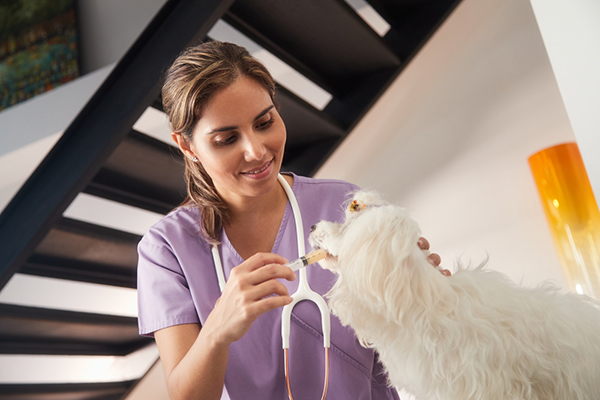
Using A Syringe Or Feeding Tube
A syringe or feeding tube helps deliver food gently. Use a soft, clean syringe without a needle. Fill it with liquid or soft food. Hold your dog’s head steady. Insert the syringe slowly into the side of the mouth. Aim for the back of the tongue, not the throat. Push the food slowly to avoid choking. Stop if your dog coughs or resists.
Hand Feeding Tips
Hand feeding can calm a nervous dog. Use small, soft bites of food. Hold the food close to your dog’s mouth. Let your dog smell it first. Gently place the food inside the mouth. Avoid forcing the mouth open too wide. Speak softly to keep your dog relaxed. Repeat in small amounts until your dog eats enough.
Avoiding Choking Hazards
Choking is a common risk during force feeding. Always use soft food or liquid meals. Cut solid food into tiny pieces. Feed slowly and watch your dog carefully. Stop if your dog shows trouble breathing or coughing. Never force large amounts at once. Keep your dog calm and upright during feeding.

Credit: topdogtips.com
Foods Suitable For Force Feeding
Choosing the right foods is key when force feeding a dog. The goal is to provide nourishment and comfort. Select foods that are easy to digest and taste good to your dog. This helps reduce stress and encourages eating during tough times.
Some foods offer high nutrients and are gentle on the stomach. Others contain harmful ingredients that can worsen your dog’s health. Knowing which foods to use and avoid is vital for safe force feeding.
Nutritious And Palatable Options
Cooked chicken or turkey without bones or seasoning works well. Soft boiled rice or plain pasta offers easy digestion. Pumpkin puree supports digestion and adds fiber. Plain yogurt helps with gut health and adds protein. Baby food with meat is smooth and easy to swallow. Cottage cheese is mild and rich in protein. Warm broth can hydrate and stimulate appetite. Mash cooked vegetables like carrots or sweet potatoes for added vitamins.
Avoiding Harmful Ingredients
Never feed chocolate, onions, garlic, or grapes. These can harm your dog’s health. Avoid spicy or salty foods that irritate the stomach. Raw bones can cause choking or damage. Foods with artificial sweeteners like xylitol are toxic. Dairy in large amounts may upset digestion. Fatty or fried foods can cause pancreatitis. Always check ingredients for harmful additives before feeding.
Monitoring Your Dog During Feeding
Monitoring your dog during feeding is very important. It helps keep your pet safe and calm. Watching your dog closely shows how they feel. You can see signs of stress or discomfort early. This lets you stop or change your approach fast. Careful observation makes feeding easier and less scary for your dog.
Recognizing Stress Or Discomfort
Look for signs like trembling, panting, or whining. Dogs may pull away or try to hide. Yawning or lip licking can also mean stress. Some dogs freeze or stare blankly. Watch their body language carefully. These signs tell you your dog feels uneasy. Don’t force food if your dog shows these signals. Give breaks and try to calm them down.
Adjusting Techniques As Needed
Change your method if your dog resists. Use a gentler approach or slower feeding. Try smaller amounts or softer food. Use calm, quiet tones to soothe your dog. Offer praise and gentle petting between bites. Stop if your dog seems too scared or tired. Adjusting your technique helps build trust. Be patient and keep your dog’s comfort first.
Credit: drphillipsanimalhospital.com
When To Seek Veterinary Help
Knowing when to seek veterinary help is very important if you need to force feed your dog. Force feeding can be stressful and risky for your pet. Sometimes, force feeding might cause health problems or hide serious issues. Watching your dog closely helps you decide when a vet’s care is needed. Early help can prevent bigger problems and keep your dog safe.
Signs Of Complications
Look for signs like vomiting after feeding or persistent gagging. Difficulty breathing or coughing during feeding is a warning. Excessive drooling or refusal to open the mouth can show pain. If your dog becomes weak, tired, or loses interest in food, it is serious. Swelling around the mouth or neck also needs quick attention. Any sudden change in behavior or health needs a vet check.
Long-term Feeding Solutions
Sometimes, force feeding is not a good long-term plan. Your vet can suggest safer feeding methods. Tube feeding or special diets might be needed. A vet can treat underlying problems causing feeding issues. Regular follow-ups help track your dog’s progress. Proper care helps your dog get stronger and eat normally again.
Frequently Asked Questions
How Do I Safely Force Feed A Dog At Home?
Gently hold your dog’s head and use a syringe to give soft food slowly. Stay calm.
When Should I Force Feed My Dog?
Only if your dog refuses to eat for more than 24 hours or is very weak.
What Food Is Best For Force Feeding A Dog?
Use soft, easy-to-swallow foods like canned dog food or boiled chicken mixed with water.
How Often Should I Force Feed My Dog?
Feed small amounts every 2 to 3 hours to avoid choking or stomach upset.
Can Force Feeding Harm My Dog?
Yes, if done roughly or too fast. Always be gentle and patient.
Should I See A Vet Before Force Feeding My Dog?
Yes, get advice from a vet to ensure it’s safe and to find the cause of refusal.
Conclusion
Feeding a dog by force needs care and patience. Always be gentle and calm during the process. Use the right tools to make feeding easier. Watch your dog’s reaction to avoid stress or harm. If unsure, ask a vet for help and advice.
Remember, your dog’s health and comfort come first. Feeding safely helps your dog recover quickly and stay strong. Take small steps and stay patient every time you feed. Your kindness makes a big difference in your dog’s life.
As an Amazon Associate, I earn from qualifying purchases.