Is your cat constantly begging for food, leaving you feeling guilty and unsure of what to do? You’re not alone.
Many cat owners struggle with this persistent behavior, which can quickly become frustrating and overwhelming. But what if you could teach your furry friend to stop begging without feeling like you’re denying them love or attention? You’ll discover simple, effective strategies that work, helping you enjoy mealtime peace and keeping your cat happy and healthy.
Keep reading to find out how to take control and end the begging once and for all.
Credit: companion-vets.com
Why Cats Beg For Food
Cats begging for food is common. Understanding why they do it helps us stop the behavior. Cats have reasons rooted in nature, learning, and health. Knowing these reasons makes handling begging easier.
Natural Instincts
Cats are hunters by nature. Their instincts tell them to ask for food when hungry. In the wild, cats hunt many small meals daily. Pet cats keep this habit, asking for food often. Begging is a natural way to get attention.
Learned Behaviors
Cats learn begging from their owners. If you give food when they beg, they repeat it. This creates a habit that is hard to break. Cats remember which actions get treats or snacks. Begging becomes a way to get extra food.
Health Factors
Some cats beg due to health issues. Conditions like diabetes or worms increase hunger. Older cats may feel hungry more often. If begging is new and intense, see a vet. Health problems can cause constant hunger and begging.

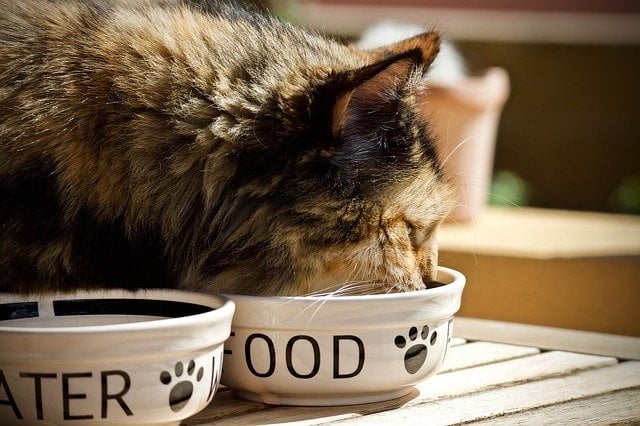
Credit: www.reddit.com
Setting Clear Feeding Times
Setting clear feeding times helps your cat learn when to eat. It stops constant begging and creates a calm mealtime. Cats feel safe with a routine. They know exactly when food will come. This reduces their anxiety and need to ask for food.
Consistency Matters
Feed your cat at the same times every day. Cats love routine and expect meals on schedule. Avoid giving snacks between meals. Random treats confuse your cat and keep begging alive. Consistent times teach your cat to wait patiently. Your cat will stop asking outside those times.
Using Scheduled Feeders
Automatic feeders release food at set times. They keep feeding times exact and steady. This helps if you are not home during meals. Your cat learns food comes from the feeder, not from begging. Scheduled feeders reduce your cat’s stress. They also prevent overeating by controlling portions.
Ignoring Begging Behavior
Ignoring begging behavior is a key step to stop your cat from pestering for food. Cats learn quickly what gets a reaction from their owners. If you respond to begging, your cat will keep doing it. Ignoring the behavior teaches your cat that begging does not lead to treats or extra food.
This approach needs consistency and patience. Your cat might try harder at first. But over time, the begging will decrease and then stop. Staying calm and not giving in is important for success.
Avoiding Reinforcement
Never give food or attention during begging. Even a small snack rewards bad behavior. This makes your cat think begging works. Remove any treats, hand feeding, or eye contact when your cat begs. Ignore meows or pawing for food.
Keep feeding times regular and fixed. This helps your cat feel secure. They will wait for the set meal instead of begging.
Managing Patience
Ignoring begging can be hard at first. Your cat may feel confused or upset. Stay patient and firm. Don’t give in, even if your cat cries or follows you.
Remind yourself that this is for your cat’s benefit. Over time, your cat learns to stop begging. Reward calm behavior with praise or petting after meals. This shows good manners earn attention.
Providing Enough Nutrition
Providing enough nutrition is key to stopping your cat from begging for food. Cats often beg because they feel hungry or lack essential nutrients. Feeding your cat the right amount and type of food helps keep them full and satisfied. This reduces their need to ask for extra snacks.
Balanced Diet Tips
Feed your cat a mix of proteins, fats, and carbohydrates. Proteins support muscle health and energy. Fats keep their skin and coat healthy. Carbohydrates provide quick energy but should be limited. Offer wet and dry food to balance moisture and texture. Measure meals to avoid overfeeding. Regular meal times help your cat feel secure and less likely to beg.
Choosing The Right Food
Select food that matches your cat’s age and health needs. Kittens, adults, and senior cats require different nutrients. Look for foods with real meat as the first ingredient. Avoid fillers like corn or soy. Check labels for added vitamins and minerals. Consult your vet for special diets if your cat has health issues. Quality food keeps your cat full and reduces begging.
Using Distractions And Toys
Using distractions and toys helps redirect your cat’s attention from begging. Cats need mental and physical stimulation. Toys provide a fun way to keep them busy. This reduces their focus on food requests. Regular play also strengthens your bond with your pet.
Engaging Playtime
Choose toys your cat loves. Feather wands and laser pointers work well. Spend at least 10 minutes playing daily. Move the toy like prey to catch your cat’s interest. Play sessions tire your cat and reduce begging. Rotate toys to keep playtime fresh and exciting.
Interactive Feeding Games
Use puzzle feeders or treat balls during mealtime. These toys make your cat work for food. Feeding becomes a fun challenge instead of a routine. It slows down eating and keeps your cat busy. Interactive games satisfy hunting instincts and lower food begging.
Training Techniques To Reduce Begging
Training your cat to stop begging for food takes patience and clear steps. Cats learn best through simple, consistent actions. Using specific training techniques helps reduce begging behavior over time. These methods teach your cat what is acceptable and what is not.
Focus on positive methods to encourage good habits. Avoid harsh punishments that can confuse or scare your cat. Instead, reward calm and quiet behavior during mealtime. This helps your cat understand when to expect food and when to stay patient.
Positive Reinforcement
Positive reinforcement means giving your cat a reward for good behavior. Give treats or praise when your cat stays calm and does not beg. This encourages your cat to repeat these good actions.
Ignore begging behavior instead of giving food. Your cat learns that begging does not bring rewards. Reward only calm and quiet moments during your meals. This helps your cat link good behavior with positive outcomes.
Teaching ‘no’ Commands
Teaching your cat a clear ‘No’ command stops begging quickly. Use a firm, calm voice when your cat starts begging. Say “No” and gently move the cat away from your food area.
Be consistent every time your cat begs. Repeat the command without shouting or getting angry. Over time, your cat will understand that begging is not allowed.
Combine the ‘No’ command with positive reinforcement. Reward your cat when it stops begging after the command. This helps your cat learn boundaries and respect your meal times.
Addressing Medical Issues
Sometimes, a cat’s begging for food is not just about hunger. Medical problems can cause increased appetite or unusual behavior. Addressing these health issues helps keep your cat happy and healthy. It also stops the begging that comes from discomfort or illness.
When To Visit The Vet
Take your cat to the vet if begging becomes constant and intense. Sudden changes in eating habits can signal health problems. Also, watch for weight loss or gain, vomiting, or diarrhea. These signs need professional attention. Regular check-ups help catch problems early.
Common Health Concerns
Diabetes is a common cause of excessive hunger in cats. It makes them feel hungry all the time. Hyperthyroidism can also increase appetite and cause weight loss. Parasites in the digestive system may lead to begging behavior. Your vet can diagnose and treat these conditions. Proper treatment reduces begging and improves your cat’s health.
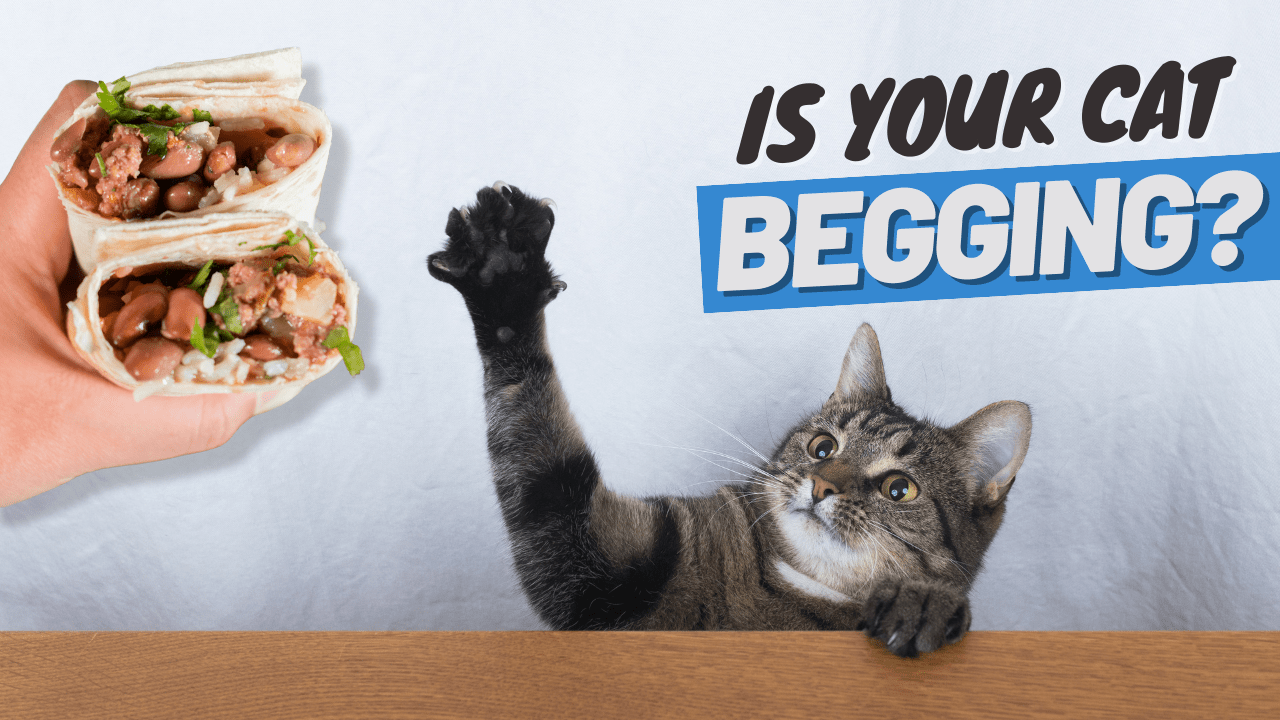
Credit: www.outdoorbengal.com
Avoiding Common Mistakes
Stopping a cat from begging takes patience and care. Many pet owners make simple mistakes that make begging worse. Knowing these errors helps keep your cat calm and happy. Avoid habits that teach your cat to beg.
No Table Scraps
Giving table scraps teaches your cat to beg at mealtime. Cats learn fast. If you share food from your plate, your cat will wait for more. This habit is hard to break. Feed your cat only from its bowl. Avoid feeding human food near your cat.
Ignoring Early Signs
Cats show early signs when they want food. They may meow or follow you around the kitchen. Ignoring these signs can make them louder and more persistent. Respond with a firm “no” or redirect their attention. Do not give in to begging, even a little.
Frequently Asked Questions
Why Does My Cat Beg For Food So Often?
Cats beg because they want attention, feel hungry, or want treats.
How Can I Train My Cat To Stop Begging?
Ignore begging and feed on a schedule to reduce this behavior.
What Foods Should I Avoid Giving Begging Cats?
Avoid human foods like chocolate, onions, and dairy; these can harm cats.
Can Feeding Smaller Meals Help Reduce Begging?
Yes, smaller, frequent meals can keep your cat full and less hungry.
Is Begging A Sign Of Health Problems In Cats?
Begging can signal hunger or illness; consult a vet if behavior changes.
How Long Does It Take To Stop A Cat From Begging?
With patience and consistency, cats usually stop begging in a few weeks.
Conclusion
Stopping a cat from begging takes patience and consistency. Set regular meal times and stick to them. Avoid giving extra treats or food from your plate. Redirect your cat’s attention with toys or play. Over time, your cat will learn when to expect food.
This makes mealtime calm and less stressful for both of you. Keep your cat’s needs in mind and stay firm. A well-fed cat is a happy cat, after all. Small changes lead to big improvements in behavior. You can enjoy peaceful meals without constant begging.
As an Amazon Associate, I earn from qualifying purchases.