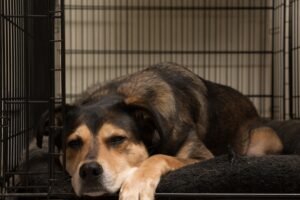
When your dog is sick, one of the hardest things can be getting them to eat. You know how important it is for their recovery, but seeing them refuse food can be frustrating and worrying.
You want to help your furry friend feel better fast, and that starts with finding ways to encourage them to eat. You’ll discover simple, effective tips that can make mealtime easier for your dog when they’re not feeling well. Keep reading to learn how you can support your pet’s health and get them back on their paws sooner.
Signs Your Dog Is Not Eating
Not eating is a clear sign that your dog may be unwell. Dogs usually have a strong appetite. So, a loss of interest in food can signal a health problem. Watching your dog’s eating habits helps spot illness early. It also helps you decide when to act fast.
Common Symptoms Of Illness
Along with not eating, your dog might show other signs. Look for vomiting or diarrhea. Your dog may seem tired or weak. Coughing or sneezing can happen too. Notice if your dog drinks less water. A change in behavior, like hiding, is also a clue. These signs often come with loss of appetite.
When To Seek Veterinary Care
Call the vet if your dog refuses food for more than 24 hours. Seek help sooner if your dog vomits repeatedly. Difficulty breathing or severe weakness needs urgent care. Any signs of pain or swelling must be checked. Early treatment can prevent serious illness. Trust your instincts about your dog’s health.

Credit: www.wikihow.com
Causes Of Loss Of Appetite
Loss of appetite in dogs can be worrying for any pet owner. Understanding why a dog stops eating helps in finding the right solution. Many factors can cause this problem. Some are simple, while others need medical care. Knowing the causes helps you act quickly and carefully.
Infections And Illnesses
Infections often reduce a dog’s desire to eat. Viruses or bacteria can upset their stomach. Dogs with flu or kennel cough may lose appetite. Chronic illnesses like kidney or liver disease also cause eating problems. These conditions make dogs feel tired and weak.
Dental Problems
Dental pain can stop a dog from eating. Tooth decay, gum disease, or broken teeth hurt their mouth. Chewing becomes painful, so dogs avoid food. Bad breath or drooling often signals dental issues. Regular dental checks help prevent this cause.
Stress And Anxiety
Stress affects a dog’s appetite too. Changes in the home or routine can upset them. New pets, loud noises, or travel may cause anxiety. Nervous dogs often skip meals or eat less. Keeping a calm environment helps reduce stress.
Medication Side Effects
Some medicines make dogs lose appetite. Antibiotics, painkillers, or chemotherapy drugs may cause nausea. Dogs might refuse food during treatment. Always tell your vet if your dog stops eating. They can adjust medicine or offer solutions.
Safe Foods To Tempt A Sick Dog
Finding safe foods to tempt a sick dog can help improve their appetite. Sick dogs often feel weak or nauseous. Offering gentle, easy-to-digest foods supports their recovery. These foods provide nutrients without upsetting their stomach. Choosing the right options shows care and helps your dog heal faster.
Soft And Bland Options
Soft, bland foods are gentle on a sick dog’s stomach. Plain boiled chicken is a good choice. White rice or plain pasta can add gentle energy. Avoid spicy or fatty foods that may cause discomfort. These simple meals are easy to chew and digest.
Hydrating Foods
Hydration is important when dogs feel sick. Wet foods like canned dog food provide extra moisture. Broth made from chicken or beef, without salt, helps keep dogs hydrated. You can also offer small amounts of plain pumpkin. These foods supply fluids and nutrients together.
Avoiding Harmful Ingredients
Some foods can harm a sick dog’s health. Never give chocolate, onions, garlic, or grapes. Avoid foods with high fat or spices. Dairy products may upset sensitive stomachs. Stick to plain, natural foods to keep your dog safe and comfortable.
Feeding Techniques For Sick Dogs
Feeding a sick dog can be tough. Their appetite often drops, making it hard for them to eat enough. Using gentle feeding techniques helps encourage your dog to eat. These methods make meals easier and more appealing for your dog.
Small, Frequent Meals
Offer your dog small meals several times a day. This is easier on their stomach than large portions. Smaller meals reduce nausea and help maintain energy. Try feeding every two to three hours in small amounts.
Warm Food To Enhance Smell
Warm the food slightly before serving. Warm food releases more aroma, attracting your dog’s attention. Avoid hot food to prevent burns. A little warmth makes food smell better and more inviting.
Hand Feeding Tips
Hand feeding can comfort a sick dog. Use your fingers or a spoon to offer small bites. This helps build trust and encourages eating. Be patient and gentle to keep your dog calm.
Using Supplements And Appetite Stimulants
Using supplements and appetite stimulants can help your dog eat during illness. These aids support nutrition and recovery. They come in different forms and strengths. Choosing the right option depends on your dog’s condition and needs.
Natural Appetite Boosters
Natural boosters encourage eating without harsh chemicals. Examples include fish oil, which adds flavor and nutrients. Pumpkin puree can soothe the stomach and improve digestion. Bone broth offers warmth and hydration, enticing dogs to eat. Small amounts of cooked chicken or rice may also help. These options are gentle and easy to add to food.
Veterinary Prescribed Options
Vets may recommend appetite stimulants for severe cases. Medications like mirtazapine or cyproheptadine can increase hunger. These drugs work quickly but need proper dosage and supervision. Always follow your vet’s instructions carefully. Supplements prescribed by a vet are safe and effective. They support your dog’s health during recovery.
Creating A Comfortable Eating Environment
Creating a comfortable eating environment helps sick dogs feel safe and relaxed. When dogs feel calm, they are more likely to eat. The right setting can reduce stress and encourage appetite. Small changes at mealtime can make a big difference.
Quiet And Calm Space
Choose a quiet area for your dog’s meals. Loud noises can scare or distract your dog. A calm space helps your dog focus on eating. Avoid busy rooms or places with many people. Keep the area peaceful to make your dog feel secure.
Proper Bowl Placement
Place the food bowl on a steady surface. Bowls on slippery floors can make your dog nervous. Use a non-slip mat under the bowl to keep it still. Position the bowl where your dog can reach easily. Avoid crowded or hard-to-access spots.
Minimizing Distractions
Turn off TVs, radios, and other devices during meals. Remove toys or items that may draw your dog’s attention. Limit visits from other pets or children at mealtime. A distraction-free zone helps your dog focus on eating. This simple step supports better food intake.
When To Contact The Vet Again
Knowing when to contact the vet again is key for your sick dog’s health. Sometimes, a dog may refuse food for a short time but recovers quickly. Other times, the refusal signals a deeper problem. Watching your dog closely helps you decide when to seek professional help.
Persistent Refusal To Eat
If your dog refuses to eat for more than 24 hours, call the vet. Long periods without food can cause serious health issues. A vet can check for infections, pain, or digestive problems. Don’t wait too long. Early care can prevent complications.
Signs Of Worsening Condition
Look for signs like vomiting, diarrhea, or weakness. Breathing problems or unusual behavior also need quick vet attention. These signs mean your dog’s condition may be getting worse. Immediate veterinary care can save your dog’s life.

Credit: aminpetshop.com

Credit: www.wikihow.com
Frequently Asked Questions
How Can I Encourage My Sick Dog To Eat Food?
Offer warm, soft, and bland foods like boiled chicken or rice to tempt appetite.
What Foods Are Best For A Dog That Refuses To Eat?
Choose gentle, easy-to-digest foods like plain boiled chicken, rice, or pumpkin puree.
When Should I Worry About My Dog’s Loss Of Appetite?
If your dog doesn’t eat for more than 24 hours or shows other symptoms, see a vet.
Can I Give My Sick Dog Supplements To Boost Eating?
Some supplements like probiotics may help, but always check with your vet first.
How Do I Make My Dog’s Food More Appealing When Sick?
Warming food and adding low-sodium broth can improve smell and encourage eating.
Is It Safe To Force-feed A Dog That Won’t Eat?
Avoid force-feeding; it can cause stress and choking. Seek vet advice for proper care.
Conclusion
Helping a sick dog eat takes patience and care. Try soft, warm foods to make eating easier. Offer small meals often to keep them interested. Keep their water fresh and close by. Watch for signs of improvement or worsening. Contact your vet if your dog refuses food for more than a day.
Your calm support helps your dog heal faster. Small steps can make a big difference in recovery. Caring with love and attention brings comfort to your pet.
As an Amazon Associate, I earn from qualifying purchases.