If you’ve recently taken in a stray cat, you might be wondering how to help your new furry friend feel comfortable using a litter box. It can be tricky at first, but with the right approach, you can guide your stray cat to use the litter box consistently.
Imagine the relief of a clean home and a happy cat who knows exactly where to go. You’ll discover simple, practical steps to make this happen quickly and smoothly. Keep reading, and you’ll soon find your stray cat becoming a well-behaved member of your family.
Choosing The Right Litter Box
Choosing the right litter box is key to help a stray cat use it. The box should feel safe and easy to use. Cats are picky about their bathroom spots. The right box can make a big difference in training success.
Size And Accessibility
Pick a litter box large enough for the cat to move freely. A cramped box may scare the cat away. The entrance should be low, so the cat can enter easily. Older or smaller cats need easy access. Avoid tall sides that block entry or exit.
Covered Vs. Open Boxes
Some cats like covered boxes for privacy. Others prefer open boxes for fresh air. Stray cats often feel safer in open boxes. They can see their surroundings and feel less trapped. Watch your cat’s reaction to decide which type suits best.
Number Of Boxes Needed
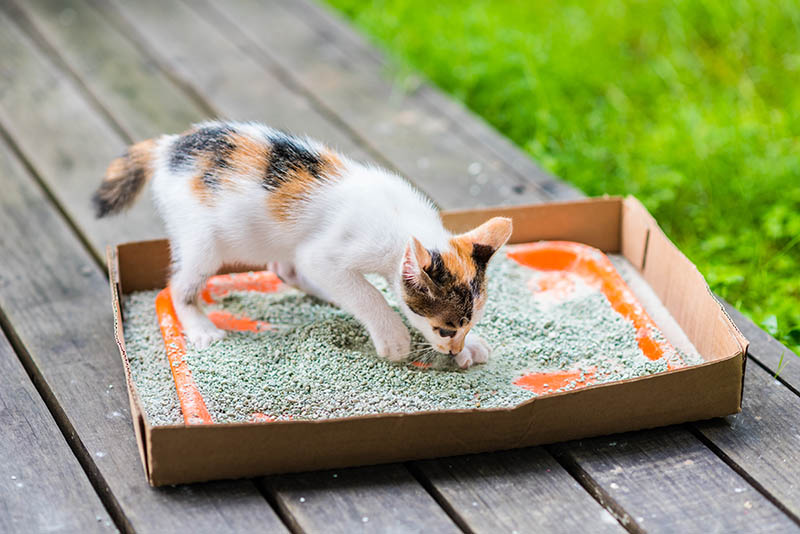
Provide more than one litter box if possible. One box per cat plus one extra works well. Multiple boxes reduce stress and competition. Place boxes in quiet, easy-to-find spots. This encourages the cat to use them regularly.
Credit: www.catster.com
Selecting Suitable Litter
Selecting the right litter is important for helping a stray cat use a litter box. Cats can be picky about the litter texture, smell, and type. Choosing a litter that feels natural and comfortable can encourage the cat to use the box. It takes patience and testing different options.
Types Of Cat Litter
There are many types of cat litter. Clay-based litter is common and absorbs well. Clumping litter forms solid clumps, making cleaning easier. Natural litters use materials like corn, wheat, or wood. These are biodegradable and less dusty. Try a few types to see what the cat prefers.
Scented Vs. Unscented
Scented litter has added smells to cover odors. Some cats dislike strong scents and may avoid the box. Unscented litter smells more natural and often works better for shy or stray cats. Use unscented litter at first to keep the cat comfortable.
Texture Preferences
Texture matters a lot for cats. Some like fine, soft litter that feels gentle on their paws. Others prefer coarser or grainy litter. Stray cats may avoid unfamiliar textures. Observe the cat’s reaction and choose litter with a texture that feels safe and natural.
Creating A Comfortable Environment
Creating a comfortable environment is key to helping a stray cat use a litter box. Cats need a safe, calm space to feel secure. A good setting encourages them to explore and accept the litter box. Small changes can make a big difference in their behavior and comfort.
Quiet And Private Location
Choose a quiet spot for the litter box. Cats dislike noise and sudden movements. A private place helps the cat relax and feel safe. Avoid areas near loud machines or busy rooms. This quiet space invites the cat to use the box without stress.
Avoiding High Traffic Areas
Keep the litter box away from busy zones in the home. Too much foot traffic can scare the cat. Stray cats prefer calm areas with little disturbance. Place the box in a corner or a less used room. This reduces fear and encourages regular use.
Cleanliness And Maintenance
Clean the litter box often. Cats avoid dirty or smelly boxes. Scoop waste daily and change litter regularly. Fresh litter attracts cats and keeps them comfortable. A clean box shows respect for the cat’s needs.

Credit: magmaequipos.com
Introducing The Litter Box To The Cat
Introducing a litter box to a stray cat needs patience and care. Stray cats may not know how to use a litter box. They need gentle guidance to feel safe and comfortable. This process helps the cat learn where to go without stress. A calm and quiet approach works best for the cat’s learning.
Initial Placement And Encouragement
Place the litter box in a quiet, low-traffic area. Avoid noisy or busy spots that might scare the cat. Show the cat the litter box gently. Let the cat sniff and explore it at its own pace. You can place some of the cat’s scent or soft bedding inside. This helps the cat connect the box with its own smell. Watch the cat closely to notice signs of interest.
Handling Accidents Calmly
Accidents are normal during training. Do not punish the cat or raise your voice. Clean the area with a pet-safe cleaner to remove odors. Punishment can make the cat scared of the litter box. Stay calm and patient. Guide the cat back to the litter box after accidents. This teaches where the cat should go next time.
Using Positive Reinforcement
Praise the cat quietly when it uses the litter box. Offer small treats or gentle petting as rewards. Positive attention helps the cat feel happy and safe. Avoid loud noises or sudden movements during training. Consistent rewards encourage the cat to repeat good behavior. Celebrate small steps to build trust and success.
Dealing With Common Challenges
Helping a stray cat use a litter box brings some common challenges. Patience and understanding are key. Stray cats often feel scared and unsure in new places. They might not trust humans yet.
Knowing how to face these issues makes the process smoother. This section explains ways to handle fear, avoid punishment, and when to ask a vet for help.
Fear And Anxiety In Stray Cats
Stray cats often feel fear in new homes. Loud noises and sudden movements can scare them. They may hide or refuse to use the litter box. Give them a quiet, safe space. Let the cat explore at its own pace. Use soft voices and slow actions. This helps build trust and calm their nerves.
Avoiding Punishment
Never punish a stray cat for accidents. Punishment increases fear and confusion. It can make the cat avoid the litter box more. Reward good behavior instead. Use treats and gentle praise. Positive reinforcement helps the cat learn faster. Patience is better than punishment.
When To Consult A Vet
Sometimes a cat avoids the litter box due to health issues. Urinary infections or pain can cause accidents. If the cat suddenly stops using the box, see a vet. The vet checks for medical problems. Treating illness helps the cat feel better and use the box again.
Credit: www.lovemeow.com
Building Trust And Routine
Building trust and creating a routine are key to helping a stray cat use a litter box. Cats feel safer when they know what to expect. A calm, steady environment helps them relax. This makes them more likely to use the litter box properly. Patience and consistency are very important.
Establishing A Feeding Schedule
Feed the cat at the same times each day. This gives the cat a sense of security. Regular meals help regulate the cat’s bathroom habits. Place the food near the litter box at first. Gradually move it to a quiet spot. This encourages the cat to explore the litter area.
Regular Interaction And Play
Spend time playing gently with the cat every day. Use toys to keep the cat active and engaged. Quiet time helps the cat get used to your presence. This builds trust and reduces stress. A calm cat will feel more comfortable using the litter box.
Monitoring Progress
Watch the cat’s behavior around the litter box. Note any accidents or avoidance signs. Praise the cat when it uses the box correctly. Keep the litter box clean and inviting. Adjust the routine if the cat shows discomfort. Small changes help the cat feel secure.
Frequently Asked Questions
How Do I Introduce A Stray Cat To A Litter Box?
Place the litter box in a quiet area. Let the cat explore it at its own pace.
What Type Of Litter Is Best For Stray Cats?
Use unscented, clumping litter. It feels natural and is easy for cats to use.
How Can I Encourage A Stray Cat To Use The Litter Box?
Keep the box clean and show the cat where it is after meals and naps.
What If The Stray Cat Avoids The Litter Box?
Try changing the box location or type of litter. Watch for signs of stress or illness.
How Many Litter Boxes Should I Provide For A Stray Cat?
One box per cat, plus one extra. This reduces competition and encourages use.
Can Diet Affect A Stray Cat’s Litter Box Habits?
Yes. Feeding high-quality food supports healthy digestion and helps regular bathroom habits.
Conclusion
Getting a stray cat to use a litter box takes time and patience. Create a quiet, safe space for the cat to feel comfortable. Keep the litter box clean and easy to find. Watch the cat’s behavior and adjust as needed.
Small steps lead to big progress. With care and consistency, the cat will learn. Enjoy the reward of a happy, litter-trained cat. Keep trying—you can make a difference.
As an Amazon Associate, I earn from qualifying purchases.