Is your cat constantly licking or chewing its fur until the skin looks raw? Over grooming is more than just a quirky habit—it can signal stress, allergies, or health problems that need your attention.
If you want to help your furry friend feel comfortable and stop this behavior, you’re in the right place. You’ll discover simple, effective ways to understand why your cat is over grooming and how you can gently guide them back to healthy habits.
Keep reading to protect your cat’s well-being and restore their happy, relaxed self.
Causes Of Over Grooming
Over grooming in cats can be a sign of several underlying problems. Understanding the causes helps in finding the right solution. Cats groom themselves to stay clean, but too much grooming can damage their skin and fur. The reasons vary from emotional to physical issues.
Stress And Anxiety
Cats often groom excessively when they feel stressed or anxious. Changes in their environment or routine can trigger this behavior. Loud noises, new pets, or moving homes are common causes. Grooming acts as a way to calm themselves down.
Medical Issues
Health problems can also cause over grooming. Pain or discomfort from injuries leads cats to lick certain areas more. Skin infections and wounds make them groom that spot repeatedly. A vet check helps find these hidden issues.
Allergies And Parasites
Allergies to food or the environment cause itching and irritation. Cats respond by licking and biting their skin. Fleas and mites are common parasites that cause extreme itching. Treating allergies and parasites stops the over grooming cycle.
Boredom And Lack Of Stimulation
Cats need mental and physical activity to stay healthy. Boredom can lead to over grooming as a way to pass time. Lack of toys, playtime, or attention makes them focus on grooming. Providing stimulation helps reduce this behavior.

Credit: www.reddit.com
Identifying Over Grooming Symptoms
Over grooming in cats can signal health or stress problems. Recognizing signs early helps protect your cat’s well-being. Watch for changes in fur, skin, and behavior. These clues show if your cat is grooming too much.
Hair Loss Patterns
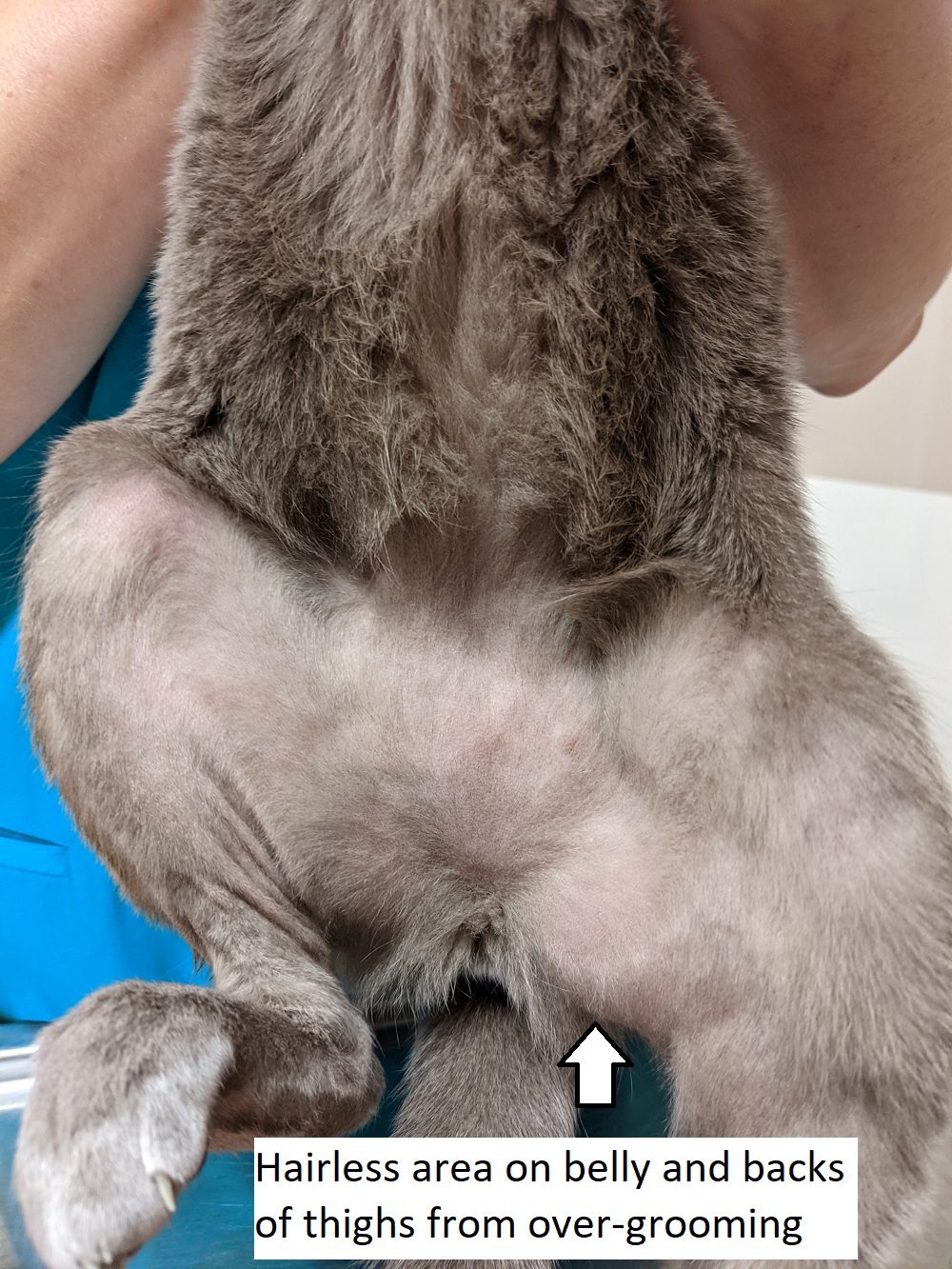
Look for bald spots or thinning fur on your cat’s body. Over grooming often causes uneven hair loss. Common areas include the belly, legs, and around the neck. These patches may grow larger if grooming continues.
Skin Irritations
Check your cat’s skin for redness, bumps, or sores. Over grooming can cause irritated, raw skin. Your cat might have scabs or scaly patches too. These signs show the skin is damaged from too much licking or scratching.
Behavioral Changes
Notice if your cat seems restless or anxious. Over grooming often links to stress or discomfort. Your cat may lick or bite more than usual. It might hide more or act irritable around people or pets.
Veterinary Diagnosis And Treatment
Veterinary diagnosis and treatment play a key role in stopping a cat from over grooming. Over grooming can signal health problems. A vet will find the cause and suggest the best care. Early diagnosis helps prevent more serious issues.
Physical Examination
The vet starts with a full physical exam. They check the skin for wounds, redness, or parasites. The fur is inspected for bald spots or damage. The vet looks for signs of pain or discomfort. This exam helps find any obvious causes of over grooming.
Allergy Testing
Allergies can cause itching and over grooming in cats. The vet may do allergy tests to find triggers. These tests show if your cat reacts to food or the environment. Knowing the allergies helps the vet suggest changes to reduce itching.
Medications And Therapies
The vet may prescribe medicines to calm itching and inflammation. These can include steroids, antihistamines, or antibiotics. Sometimes special shampoos or creams help heal the skin. Behavior therapies can reduce stress that causes over grooming. Treatment depends on the cause found by the vet.
Environmental And Behavioral Solutions
Over grooming in cats can signal stress or boredom. Changing your cat’s environment and behavior helps reduce this problem. Simple steps can calm your cat and stop excessive grooming. Focus on making your cat’s space peaceful and stimulating.
Reducing Stress Triggers
Identify what makes your cat anxious. Loud noises, new pets, or changes in routine often cause stress. Keep a quiet, safe area for your cat to retreat. Stick to regular feeding and play times. Consistency helps your cat feel secure and lowers stress.
Providing Enrichment Activities
Offer toys and games to keep your cat busy. Puzzle feeders and scratching posts work well. Interactive play with you builds trust and burns energy. Change toys regularly to keep your cat interested. Mental and physical activities reduce boredom and prevent over grooming.
Using Calming Products
Try calming sprays, diffusers, or collars made for cats. These products release pheromones that comfort cats. Use them in your cat’s favorite resting spots. They help create a peaceful environment and ease anxiety. Always choose products safe for cats and follow instructions.
Diet And Grooming Adjustments
Diet and grooming changes can help stop your cat’s over grooming. These changes support your cat’s skin and fur health. They also reduce stress, a common cause of over grooming. Small steps in diet and grooming routines make a big difference.
Nutritional Improvements
Your cat needs a balanced diet for healthy skin and fur. Add omega-3 and omega-6 fatty acids. These fats reduce itching and dry skin. Choose high-quality cat food with these nutrients. Avoid foods with fillers or artificial additives. Fresh water must always be available. Consider supplements only after talking to your vet.
Regular Grooming Routines
Brushing your cat removes loose fur and dirt. It prevents hairballs and skin irritation. Groom your cat gently but often. Use a brush suited to your cat’s fur type. Grooming also strengthens your bond and calms your cat. Watch for skin redness or sores during grooming. Clean your cat’s bedding regularly to reduce allergens.
Credit: pittwateranimalhospital.com.au
When To Seek Professional Help
Over grooming in cats can sometimes signal serious problems. Knowing when to seek professional help is important. Early action can stop the issue from getting worse. Professionals can find the root cause and suggest the best treatment. Do not wait if your cat’s behavior seems extreme or harmful.
Signs Of Severe Over Grooming
Look for bald patches or raw skin on your cat. Excessive licking that causes bleeding is a serious sign. Your cat may scratch until skin breaks or scabs form. Constant grooming that disrupts sleep or eating shows distress. Notice if your cat hides more or acts restless. These signs mean professional help is needed quickly.
Finding A Behavior Specialist
Start by asking your vet for a referral to a specialist. Animal behaviorists understand why cats over groom and how to stop it. Choose a certified expert with experience in feline issues. Discuss your cat’s history and symptoms clearly with the specialist. They may suggest therapy, diet changes, or environmental adjustments. Professional guidance improves your cat’s comfort and health.

Credit: www.torontohumanesociety.com
Frequently Asked Questions
What Causes Cats To Over Groom Themselves?
Cats may over groom due to stress, allergies, pain, or skin infections.
How Can I Tell If Grooming Is Excessive?
Look for bald spots, red skin, or constant licking and scratching.
Can Diet Changes Reduce Cat Over Grooming?
Yes, a balanced diet with essential nutrients can improve skin health and reduce grooming.
What Home Remedies Help Stop Cat Over Grooming?
Try calming sprays, distraction toys, and regular petting to ease anxiety and boredom.
When Should I See A Vet For My Cat’s Grooming?
Visit a vet if over grooming causes wounds, hair loss, or behavior changes.
Does Environmental Stress Cause Cat Over Grooming?
Yes, loud noises, new pets, or changes at home can trigger over grooming in cats.
Conclusion
Stopping your cat’s over grooming takes patience and care. Watch for signs of stress or health issues. Provide a calm, safe space for your cat. Use toys and playtime to keep them busy. Consult a vet if over grooming continues.
Small changes help your cat feel better. Keep your cat happy and healthy every day. It’s worth the effort to see them calm.
As an Amazon Associate, I earn from qualifying purchases.