Is your cat turning your favorite rug into an unwanted litter box? It can be frustrating, messy, and stressful for both you and your furry friend.
But don’t worry—you’re not alone, and there are simple steps you can take to stop this behavior for good. You’ll discover easy, effective ways to help your cat ditch the rug and use the litter box instead. Keep reading to reclaim your space and enjoy a cleaner, happier home.
Reasons Cats Poop On Rugs
Cats pooping on rugs can be frustrating. Understanding why this happens helps solve the problem. Cats have different reasons for avoiding their litter box. Sometimes, the cause is simple. Other times, it needs more attention.
Medical Issues
Health problems can make cats avoid their litter box. Constipation or diarrhea causes discomfort. Urinary tract infections also lead to accidents. Pain during bathroom visits makes cats choose soft rugs. A vet check can find these issues early.
Litter Box Problems
Cats dislike dirty or small litter boxes. They prefer quiet and clean places. Strong smells or the wrong type of litter can bother them. Sometimes, the box location is too noisy or hard to reach. Fixing these problems encourages proper use.
Stress And Anxiety
Changes in the home can stress cats. New pets, visitors, or moving furniture upset them. Stress can cause unusual bathroom habits. Cats use pooping as a way to cope. Creating a calm space helps reduce anxiety.
Territorial Behavior
Cats mark places with their scent. Pooping on rugs can mark territory. This happens if there are other animals nearby. Unfamiliar smells can trigger this behavior. Clearing smells and limiting access helps control this habit.
Credit: www.myshichic.com
Choosing The Right Litter Box
Choosing the right litter box is key to stop your cat from pooping on the rug. Cats need a comfortable and clean place to do their business. A good litter box makes them feel safe and encourages proper use. Paying attention to size, type, and location helps you pick the best box for your cat.
Size And Type
Pick a litter box that fits your cat’s size. Small boxes can feel cramped and cause accidents. Large boxes give your cat space to move and dig. Some cats prefer covered boxes for privacy. Others like open boxes to avoid feeling trapped. Watch your cat’s behavior to choose the best type.
Location Matters
Place the litter box in a quiet, low-traffic spot. Cats need privacy and calm to use the box. Avoid noisy or busy areas like near washing machines. Keep the box away from their food and water bowls. A good location helps your cat feel safe and relaxed.
Number Of Boxes
Have enough litter boxes for all your cats. The rule is one box per cat, plus one extra. Multiple boxes reduce stress and prevent accidents. Spread the boxes across different areas of your home. This gives your cat options and keeps them happy.
Litter Selection Tips
Choosing the right litter helps stop your cat from pooping on the rug. Cats have clear preferences. Picking the wrong litter may cause them to avoid the box. Pay attention to your cat’s likes and dislikes. This section covers key tips on litter selection.
Texture Preferences
Cats feel the litter with their paws. Some like fine, soft textures. Others prefer coarse or grainy types. Try different textures to find what your cat likes best. Avoid rough or hard litter that might hurt their paws.
Scented Vs Unscented
Cats have a strong sense of smell. Many dislike strong scents. Unscented litter often works better. Scented litter can scare or irritate your cat. Choose mild or no scent to keep your cat comfortable.
Clumping Vs Non-clumping
Clumping litter forms solid clumps when wet. It makes cleaning easier and keeps the box fresh. Non-clumping litter absorbs moisture but does not clump. Some cats prefer one type over the other. Test both to see which your cat uses consistently.
Cleaning And Maintenance
Cleaning and maintenance play a big role in stopping your cat from pooping on the rug. A clean space helps your cat feel comfortable and safe. It also removes smells that might attract your cat back to the same spot. Keeping the litter box fresh is part of this process. Regular care of your rugs stops stains and odors from building up.
Regular Scooping
Scoop your cat’s litter box every day. Cats hate dirty litter boxes. A clean box encourages them to use it. Remove clumps and waste promptly. This keeps the litter fresh and inviting. Clean litter boxes reduce the chance of accidents on rugs.
Deep Cleaning
Deep clean your rugs often. Use warm water and mild soap for stains. Avoid harsh chemicals that can harm your cat. Wash rugs if possible. A clean rug looks nice and removes lingering smells. This helps break the habit of pooping on the rug.
Removing Odors From Rugs
Odors can bring your cat back to the same spot. Use enzyme cleaners to remove all smells. These cleaners break down waste and stop the scent. Avoid using ammonia or bleach. They can confuse your cat and cause more accidents. Fresh rugs keep your home smelling clean and fresh.
Behavioral Strategies
Behavioral strategies help change your cat’s habits gently. Cats respond well to clear signals and calm routines. Teaching your cat where to go takes patience and kindness. These methods focus on guiding your cat without stress.
Positive Reinforcement
Reward your cat for using the litter box. Give treats or gentle praise right after they go. This helps your cat link good behavior with rewards. Avoid punishment; it can cause fear or confusion. Consistent rewards create a strong habit over time.
Deterring Rug Access
Keep your cat away from the rug to stop accidents. Use barriers or double-sided tape on the rug edges. Cats dislike sticky surfaces and avoid them naturally. Remove tempting smells or objects from the rug area. This reduces the chance of your cat returning there.
Providing Enrichment
Offer toys and climbing spaces to keep your cat busy. A bored cat may act out and avoid the litter box. Playtime helps reduce stress and unwanted behaviors. Create a safe, fun environment to support good habits. Enrichment improves your cat’s mood and focus.
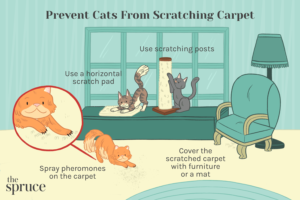
:strip_icc()/cat-on-rug-57b73cec3df78c87639413a3.jpg)
Credit: www.thesprucepets.com
When To Consult A Vet
Sometimes, a cat pooping on the rug signals a health problem. A vet visit can help find the cause. Knowing when to consult a vet can save your cat from discomfort and your home from mess.
Identifying Health Problems
Health issues often cause sudden litter box problems. Urinary tract infections are common. These infections make cats avoid the litter box. Other problems include constipation or diarrhea. Pain or discomfort can also stop your cat from using the box. A vet can check for these problems quickly. Early diagnosis helps your cat heal faster.
Behavioral Therapy Options
Sometimes, pooping outside the box is a behavior issue. Stress, changes in the home, or fear can cause this. A vet can suggest safe behavioral therapies. These may include calming products or changes in routine. The vet may also recommend a cat behaviorist. Therapy helps your cat feel safe and happy. It can stop the unwanted pooping on rugs.
Credit: www.myshichic.com
Frequently Asked Questions
Why Does My Cat Poop On The Rug Instead Of The Litter Box?
Cats may avoid the litter box due to stress, dirty boxes, or health problems. They prefer clean, quiet places.
How Can I Stop My Cat From Pooping On The Rug?
Keep the litter box clean, place it in a quiet spot, and use a box your cat likes.
What Type Of Litter Box Works Best For Cats?
Open or covered boxes work, but many cats prefer large, clean boxes with soft, unscented litter.
Can Health Issues Cause My Cat To Poop Outside The Litter Box?
Yes, problems like infections or constipation can make cats avoid the litter box.
How Do I Clean The Rug After My Cat Poops On It?
Use an enzyme cleaner to remove odors and stains; regular cleaners may not stop repeat accidents.
Should I Change My Cat’s Litter To Stop Rug Pooping?
Changing to unscented, clumping litter often helps cats feel comfortable and use their box consistently.
Conclusion
Stopping your cat from pooping on the rug takes patience and care. Keep the litter box clean and in a quiet place. Try using enzyme cleaners to remove smells from the rug. Watch for signs of stress or health problems in your cat.
Reward good bathroom habits with gentle praise. Small steps lead to big changes. Your cat will learn where to go with time and kindness. Stay consistent and patient. Success is possible!
As an Amazon Associate, I earn from qualifying purchases.