Is your cat throwing up more often than you’d like? It can be worrying and frustrating to see your furry friend feeling unwell.
You want to help your cat feel better quickly, but you might not know where to start. You’ll discover simple and effective ways to stop your cat from throwing up. By understanding the common causes and easy fixes, you’ll be able to protect your cat’s health and bring peace back to your home.
Keep reading—your cat’s comfort depends on it.
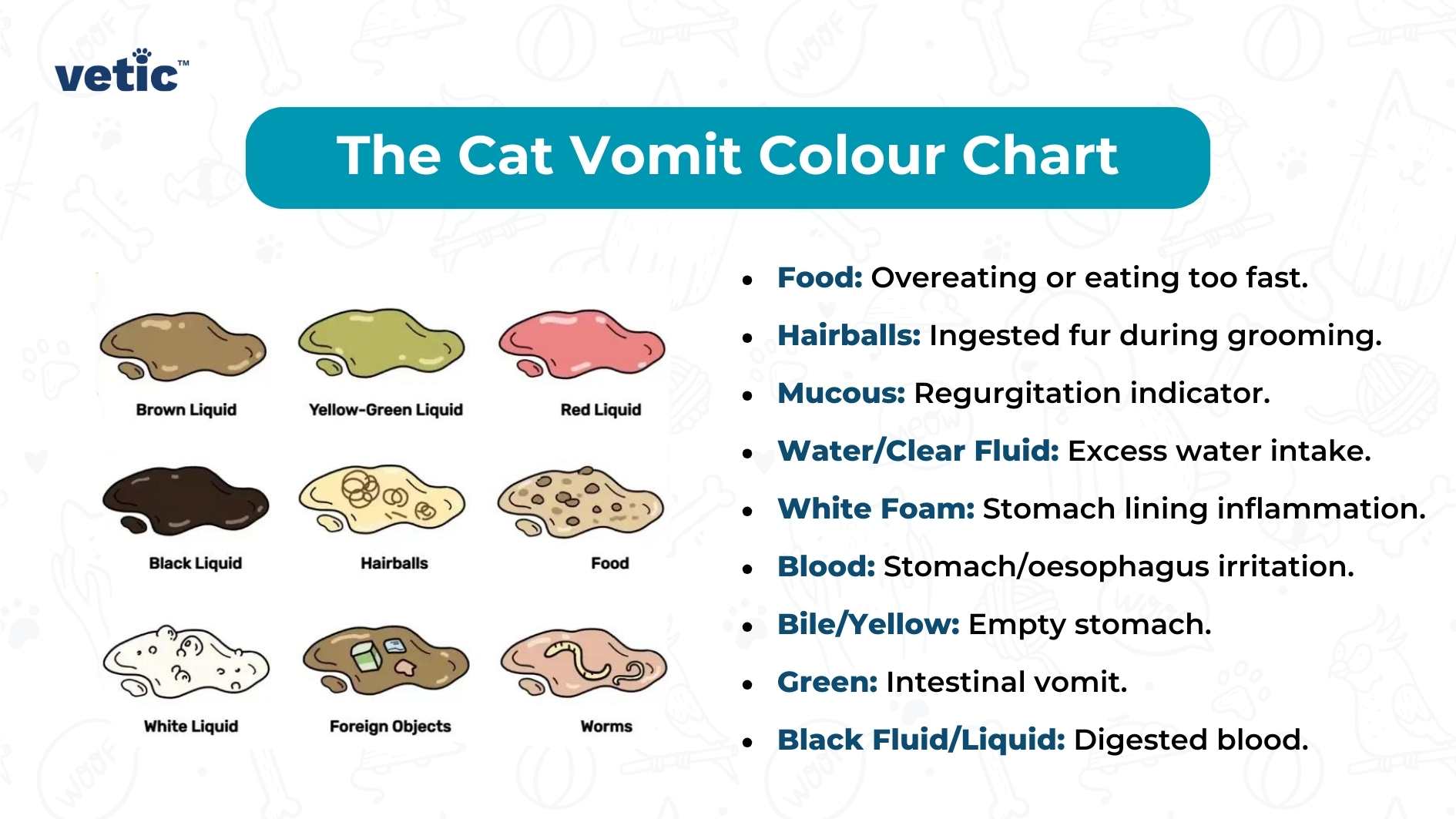
Credit: vetic.in
Common Causes Of Cat Vomiting
Vomiting in cats is common but worrying for many pet owners. Understanding why your cat throws up helps you manage the issue better. Cats vomit for various reasons, from simple diet problems to serious health issues. Recognizing the cause is the first step to stopping the vomiting.
Dietary Issues
Diet is one of the top causes of cat vomiting. Eating too fast can upset a cat’s stomach. Some cats react badly to new foods or treats. Spoiled or spoiled food can also cause vomiting. Food allergies or intolerances may make a cat sick. Small, frequent meals often help reduce vomiting.
Hairballs And Grooming
Cats groom themselves by licking their fur. This habit can lead to hairballs in their stomach. Hairballs can irritate the stomach lining. This often causes cats to vomit. Regular brushing can reduce hairball buildup. Special diets can also help manage hairballs.
Medical Conditions
Health problems can cause frequent vomiting in cats. Issues like infections, kidney disease, or diabetes are common causes. Parasites and stomach ulcers also lead to vomiting. If vomiting lasts more than a day, see a vet. Early diagnosis improves treatment success.
Stress And Environment
Changes in the home can upset your cat. New pets, loud noises, or moves cause stress. Stress affects digestion and may cause vomiting. Keeping a calm environment helps reduce stress. Providing safe spaces and routine comforts your cat.
Signs To Watch For
Watching for signs helps catch problems early when your cat throws up. These clues guide you to understand if your cat needs help. Observe your cat carefully. Notice changes in vomiting patterns and behavior. This helps protect your cat’s health.
Frequency And Timing
Track how often your cat vomits. Vomiting once in a while is normal. But frequent vomiting can signal illness. Note the time of day vomiting happens. Right after eating or during playtime? This can point to causes like eating too fast or stress.
Appearance Of Vomit
Look at what your cat throws up. Clear liquid might mean nausea or hairballs. Food chunks suggest your cat is not digesting well. Yellow or green vomit can show bile. Blood or black material is serious. It needs urgent vet care.
Behavioral Changes
Watch your cat’s behavior after vomiting. Lethargy, hiding, or loss of appetite are warning signs. Restlessness or frequent licking of lips also matter. These changes tell you if your cat feels unwell. Acting fast can prevent worse problems.
Diet Adjustments To Reduce Vomiting
Adjusting your cat’s diet can help reduce vomiting. Changes in food type and feeding habits often improve your cat’s digestion and comfort. This section covers simple diet tips to keep your cat healthy and stop throwing up.
Choosing The Right Food
Select food that is easy to digest. Wet food often works better than dry food. It contains more moisture and is gentler on the stomach. Look for formulas made for sensitive stomachs or digestive health. Avoid foods with too many fillers or artificial ingredients. High-quality protein sources like chicken or fish help your cat stay strong.
Feeding Schedule Tips
Feed smaller meals more often. Large meals can overwhelm your cat’s stomach and cause vomiting. Try dividing daily food into three or four portions. Keep feeding times consistent every day. Avoid free-feeding, which lets your cat eat anytime. Regular meal times help regulate digestion and reduce nausea.
Avoiding Toxic Foods
Some human foods can harm your cat and cause vomiting. Never feed chocolate, onions, garlic, or grapes. These are toxic to cats. Avoid dairy products if your cat is lactose intolerant. Also, keep your cat away from plants like lilies that cause illness. Stick to safe, vet-approved treats and foods only.
Managing Hairballs
Hairballs cause many cats to throw up. Managing hairballs reduces vomiting and keeps cats comfortable. Cats swallow loose fur while grooming. The fur can form hairballs in their stomach.
Helping your cat with hairballs lowers their risk of stomach upset. Regular grooming, special remedies, and diet changes all play a role. These steps make a big difference in your cat’s health.
Regular Grooming Techniques
Brush your cat daily to remove loose fur. Use a soft brush that suits your cat’s fur type. Grooming lowers the amount of fur your cat swallows. It also helps reduce hairballs forming in the stomach. Short-haired cats need less brushing than long-haired cats. Make grooming a calm and pleasant routine for your cat.
Hairball Remedies
Hairball remedies come in gels and pastes. These products help fur pass through the digestive system. Give the remedy as directed by the vet. Some remedies contain lubricants that ease hairball exit. Use them regularly during shedding seasons for best results. Watch your cat’s reaction to avoid any side effects.
Dietary Fiber Benefits
Fiber improves digestion and helps move hair through the gut. Feeding your cat food with added fiber can reduce hairball problems. Fiber makes stools softer and easier to pass. Look for cat food labeled for hairball control. You may also add fiber supplements after asking your vet. Proper fiber intake supports overall digestive health.
When To Visit The Vet
Knowing when to take your cat to the vet is important if it keeps throwing up. Vomiting can be normal sometimes, but it may also signal a health problem. Watching your cat closely helps you decide when to seek help.
Persistent Vomiting
If your cat throws up more than twice in a day, it needs a vet check. Continuous vomiting can cause dehydration and weakness. Do not wait too long. Early treatment helps avoid serious issues.
Additional Symptoms
Look for other signs like diarrhea, lethargy, or loss of appetite. These may show a deeper illness. Also, check if your cat is coughing or has trouble breathing. These signs need urgent vet care.
Diagnostic Tests
The vet may run tests to find the cause of vomiting. Blood tests, X-rays, or ultrasounds are common tools. These tests help spot infections, blockages, or organ problems. Proper diagnosis leads to better treatment.
:strip_icc()/reasons-for-frequent-vomiting-555047_FINAL-resized-d924875b65664bcf97b7449fd4500a0d.png)
Credit: www.thesprucepets.com
Home Remedies And Preventive Measures
Helping your cat stop throwing up involves simple home remedies and smart prevention. These methods support your cat’s health and reduce vomiting episodes. Small changes in care can make a big difference. Let’s explore easy steps you can take at home to keep your cat comfortable and healthy.
Hydration Tips
Keeping your cat well-hydrated helps prevent vomiting. Water aids digestion and flushes toxins from the body. Offer fresh water daily. Use a clean bowl and place it in a quiet spot. Some cats prefer running water. Try a pet water fountain to encourage drinking. Wet food also adds moisture. Mix wet food with dry kibble for balance. Avoid giving milk; many cats cannot digest it well. Proper hydration supports your cat’s stomach health and reduces nausea.
Stress Reduction
Stress often causes cats to vomit. Create a calm, safe environment for your cat. Keep a consistent daily routine. Feed and play at regular times. Provide quiet areas where your cat can relax. Use gentle voices and slow movements around your pet. Avoid loud noises and sudden changes. Pheromone sprays or diffusers can help calm anxious cats. Less stress means less chance of throwing up.
Environmental Changes
Adjust your cat’s surroundings to prevent vomiting. Remove plants or items that may cause upset stomachs. Check for toxic substances in reachable areas. Change feeding locations to a calm, clean space. Use elevated food bowls to reduce gulping air. Provide scratching posts and toys to keep your cat busy. Keep litter boxes clean and away from feeding areas. A safe, tidy environment supports your cat’s overall health.
:strip_icc()/what-to-do-if-your-cat-is-vomiting-white-foam-4768695_color-f96b0c1a0d7042cab7a78940e5edd6a4.jpg)
Credit: www.thesprucepets.com
Frequently Asked Questions
Why Does My Cat Keep Throwing Up Frequently?
Frequent vomiting can mean illness, hairballs, or eating too fast. Watch your cat’s habits closely.
How Can I Stop My Cat From Vomiting Hairballs?
Regular brushing helps remove loose fur. Special diets and treats can reduce hairballs too.
What Foods Cause Cats To Throw Up Often?
Rich, spoiled, or new foods can upset your cat’s stomach. Stick to a regular diet.
When Should I Take My Cat To The Vet For Vomiting?
Visit the vet if vomiting lasts over 24 hours or if your cat seems weak or sick.
Can Feeding Smaller Meals Reduce My Cat’s Vomiting?
Yes. Feeding small, frequent meals helps digestion and lowers the chance of vomiting.
Are There Home Remedies To Help A Cat Stop Vomiting?
Plain water and a quiet space can calm your cat. Avoid giving human medicines.
Conclusion
Stopping your cat from throwing up takes patience and care. Watch their eating habits closely. Give smaller meals more often. Choose high-quality food that suits their needs. Keep their water fresh and clean. Observe any changes in behavior or health.
Visit a vet if vomiting continues or worsens. Remember, your cat depends on you for comfort. Taking these steps helps keep your cat happy and healthy. Small changes make a big difference over time.
As an Amazon Associate, I earn from qualifying purchases.