Your leather sofa is more than just a piece of furniture—it’s a place where you relax, entertain, and make memories. So, when cat urine stains and odors appear, it can feel frustrating and overwhelming.
You want to fix it quickly, but you’re worried about damaging the leather or leaving a lingering smell. Don’t worry—this guide will show you simple, effective steps to remove cat urine from your leather sofa. By the end, you’ll know exactly how to protect your sofa and keep it looking fresh and clean.
Keep reading to save your sofa and enjoy a fresh home again.
Credit: www.catster.com
Identify The Urine Stains
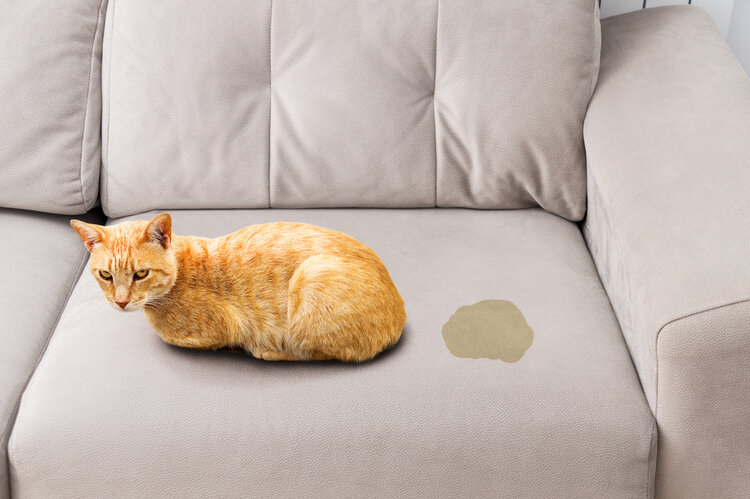
Identifying urine stains on a leather sofa is the first step to cleaning it properly. Cat urine can soak deep into leather and cause lasting damage. Early detection helps stop smells and stains from setting. The challenge lies in finding spots that are not obvious. Some stains may hide beneath the surface or look like normal wear. Knowing where and how to check makes a big difference.
Locate Hidden Odors
Urine often leaves a strong smell even if stains are invisible. Smell close to the sofa cushions and seams. Areas that smell sour or sharp may hold hidden urine. Use your nose in a quiet room to catch faint odors. Check corners and under cushions carefully. These spots trap urine and make odors worse over time.
Check For Discoloration
Look for spots that differ in color from the rest. Urine can leave yellow, dark, or lighter patches on leather. Shine a light at different angles to see changes clearly. Discoloration might be subtle but still damage the leather. Touch the stained area gently. Sometimes, it feels stiff or sticky compared to clean leather.
Gather Cleaning Supplies
Gathering the right cleaning supplies is the first step to removing cat urine from a leather sofa. Having everything ready helps you clean the mess quickly and safely. Use products that protect your sofa’s leather and stop the smell from staying.
Leather-safe Cleaners
Choose cleaners made specifically for leather. These products clean without harming or drying the leather. Avoid harsh chemicals like bleach or ammonia. A gentle leather cleaner or a mild soap mixed with water works well. Test the cleaner on a small spot first to check for damage.
Absorbent Materials
Use soft cloths or paper towels to soak up the urine. Blot the area gently to avoid spreading the stain. Have clean towels ready to dry the spot after cleaning. Absorbent materials help lift the urine before it sets into the leather.
Protective Gear
Wear gloves to protect your hands from bacteria and cleaning chemicals. Gloves keep your skin safe and clean during the process. If you use sprays or strong cleaners, consider wearing a mask. Protecting yourself is important for safe and effective cleaning.
Blot The Urine Spot
Blotting the urine spot is the first and most crucial step to clean cat urine from your leather sofa. This process removes as much liquid as possible before deeper cleaning. Acting fast helps prevent stains and odors from setting into the leather.
Use Paper Towels
Grab several clean paper towels to blot the spot. Press gently on the wet area to soak up urine. Use fresh towels as they become damp. Continue pressing until no more liquid transfers to the paper. This step helps protect your leather from damage.
Avoid Rubbing
Do not rub the urine spot. Rubbing spreads the liquid and pushes it deeper into the leather. This makes cleaning harder and can cause stains. Blotting gently keeps the urine on the surface for easy removal.
Apply Leather Cleaner
Applying a leather cleaner is an important step to remove cat urine from your sofa. This process helps clean the leather without causing damage. Using the right cleaner keeps your sofa soft and maintains its color. Follow simple steps to clean safely and effectively.
Choose The Right Product
Select a cleaner made specifically for leather. Avoid harsh chemicals or household cleaners. These can dry out or stain the leather. Look for gentle, pH-balanced cleaners that remove odors and stains. A good product will clean deeply without harming the surface.
Test On A Small Area
Before applying the cleaner to the whole spot, test it first. Pick a hidden corner of the sofa. Apply a small amount of cleaner and wait a few minutes. Check for any discoloration or damage. If the leather looks fine, proceed with cleaning the stained area.
Use Enzymatic Cleaners
Enzymatic cleaners are very effective for removing cat urine from leather sofas. They work by breaking down the urine at a molecular level. This helps eliminate odors and stains deeply. Using these cleaners keeps your leather safe and fresh.
Break Down Urine Proteins
Enzymatic cleaners contain special enzymes. These enzymes target the proteins in cat urine. They break these proteins into smaller pieces. This stops the smell from returning. Unlike regular cleaners, enzymatic cleaners remove the source of the odor.
This action helps clean stains that water or soap can’t remove. The enzymes also prevent your cat from marking the same spot again. It is a natural and thorough cleaning process.
Safe Application Tips
Test the cleaner on a small leather area first. This ensures no damage or discoloration occurs. Use a soft cloth to apply the cleaner gently. Avoid soaking the leather too much to prevent damage.
Let the cleaner sit for the time recommended on the label. Then, wipe it off with a clean, damp cloth. Dry the area with a soft towel to keep leather smooth. Repeat if the smell or stain remains.
Dry The Area Properly
Drying the leather sofa properly after cleaning cat urine is key to avoid damage. Leather is sensitive to moisture, and improper drying can cause stains, odors, or even cracks. Taking time to dry the area gently helps keep the sofa looking good and smelling fresh.
Air Drying Techniques
Start by letting the sofa dry naturally in a well-ventilated room. Open windows or doors to allow fresh air to circulate. Use a fan on low speed, placed at a distance, to help the drying process. Avoid strong airflow directly on the leather as it may dry out the surface unevenly.
Pat the area gently with a clean, dry cloth to remove excess moisture. Change the cloth often to avoid rewetting the leather. Repeat this step until the surface feels dry to the touch. Air drying keeps the leather soft and prevents shrinkage.
Avoid Heat Sources
Do not use a hairdryer or heater to dry the leather quickly. High heat can damage the leather’s natural oils and cause it to crack. Avoid placing the sofa near radiators or direct sunlight for drying. These heat sources can make the leather stiff and faded.
Patience is important. Let the leather dry slowly and naturally. This method protects your sofa and helps it last longer.
Condition The Leather
Conditioning the leather is a key step after cleaning cat urine. It helps keep the leather soft and healthy. Urine can dry out the leather and make it stiff. Conditioning brings back the leather’s natural oils. This prevents damage and keeps your sofa looking good.
Restore Moisture
Leather loses moisture after urine exposure. Use a good leather conditioner to fix this. Apply a small amount with a soft cloth. Rub it gently into the leather in circles. Let the conditioner soak in for at least 30 minutes. This step helps the leather stay soft and smooth. Avoid over-wetting the leather to prevent damage.
Prevent Cracking
Dry leather can crack and peel easily. Conditioning stops cracks from forming. It creates a protective layer on the surface. This layer keeps the leather flexible and strong. Regular conditioning also protects the leather from future stains. Keep your sofa conditioned every few months for best results.

Credit: www.wikihow.com
Prevent Future Accidents
Preventing future accidents on your leather sofa is key to keeping it clean and smelling fresh. Cats often return to spots they marked before. Stopping this behavior early saves time and effort. Simple steps can help your cat avoid repeating accidents.
Training Your Cat
Teaching your cat where to go is important. Use a clean litter box and place it in a quiet spot. Praise your cat when it uses the litter box. Avoid punishment, as it can cause stress and more accidents. Consistency helps your cat learn faster. Watch for signs your cat needs the litter box. Take your cat there gently if you see these signs. Clean any accidents quickly to remove the scent. Your cat will be less likely to return to that spot.
Using Repellents
Repellents can keep cats away from your leather sofa. Use sprays designed for cats to discourage them from sitting or marking. Test sprays on a small part of the sofa first to avoid damage. Natural options like citrus scents may also work. Cats dislike the smell and avoid those areas. Replace repellents regularly for best results. Combine repellents with training for stronger effects. This helps your cat learn new habits quickly.

Credit: nebulafoundation.ca
Frequently Asked Questions
How To Remove Cat Urine Smell From Leather Sofa?
Use a mix of water and mild soap to clean, then apply a leather conditioner.
Can Vinegar Help Clean Cat Urine On Leather?
Yes, dilute white vinegar with water to neutralize the smell without harming leather.
What Is The Best Cleaner For Cat Urine On Leather?
A gentle leather cleaner or a homemade mix of water and mild soap works well.
How To Dry Leather Sofa After Cleaning Urine?
Pat dry with a soft cloth and let it air dry naturally, away from heat.
Will Baking Soda Remove Cat Urine Stain From Leather?
Baking soda helps absorb moisture and odor but should be used carefully to avoid damage.
How To Prevent Cat Urine On Leather Sofa Again?
Train your cat, use repellents, and cover the sofa with a protective throw.
Conclusion
Cleaning cat urine from a leather sofa takes care and patience. Act quickly to stop stains and smells from setting. Use gentle cleaners made for leather to protect its surface. Dry the area well to avoid damage or mold. Regular care helps keep your sofa fresh and comfortable.
Small steps lead to big results in sofa cleaning. Your leather sofa can look good again with these tips. Keep calm and clean carefully for the best outcome.
As an Amazon Associate, I earn from qualifying purchases.