Is your cat turning your favorite rugs into their personal bathroom? It’s frustrating, stressful, and can feel impossible to fix.
But don’t worry—you’re not alone, and there are simple, effective ways to stop this behavior. You’ll discover easy steps you can take right now to help your cat feel comfortable using their litter box again. Keep reading, because understanding why your cat pees on rugs is the key to solving the problem for good.
Identify The Cause
To stop your cat from peeing on rugs, first find the cause. Cats rarely pee outside the litter box without a reason. Identifying the cause helps you fix the problem faster. This section shows you how to find the root cause of this behavior.
Check For Medical Issues
Health problems can make your cat avoid the litter box. Urinary tract infections cause pain when your cat pees. Kidney problems or diabetes may also lead to accidents. Visit a vet to rule out medical issues. Early treatment can stop your cat from peeing on rugs.
Observe Behavioral Triggers
Stress or anxiety can make cats pee in strange places. Changes in the home, like new pets or furniture, may cause stress. Loud noises or lack of attention can trigger accidents. Watch your cat’s behavior carefully. Note if accidents happen after certain events or changes.
Evaluate Litter Box Setup
Some cats dislike their litter box setup. The box might be too small or dirty. The litter type may be unpleasant for your cat. Location matters; cats prefer quiet, private spots. Try different litter and keep the box clean. Place the box away from noisy or busy areas.
Clean Soiled Areas Properly
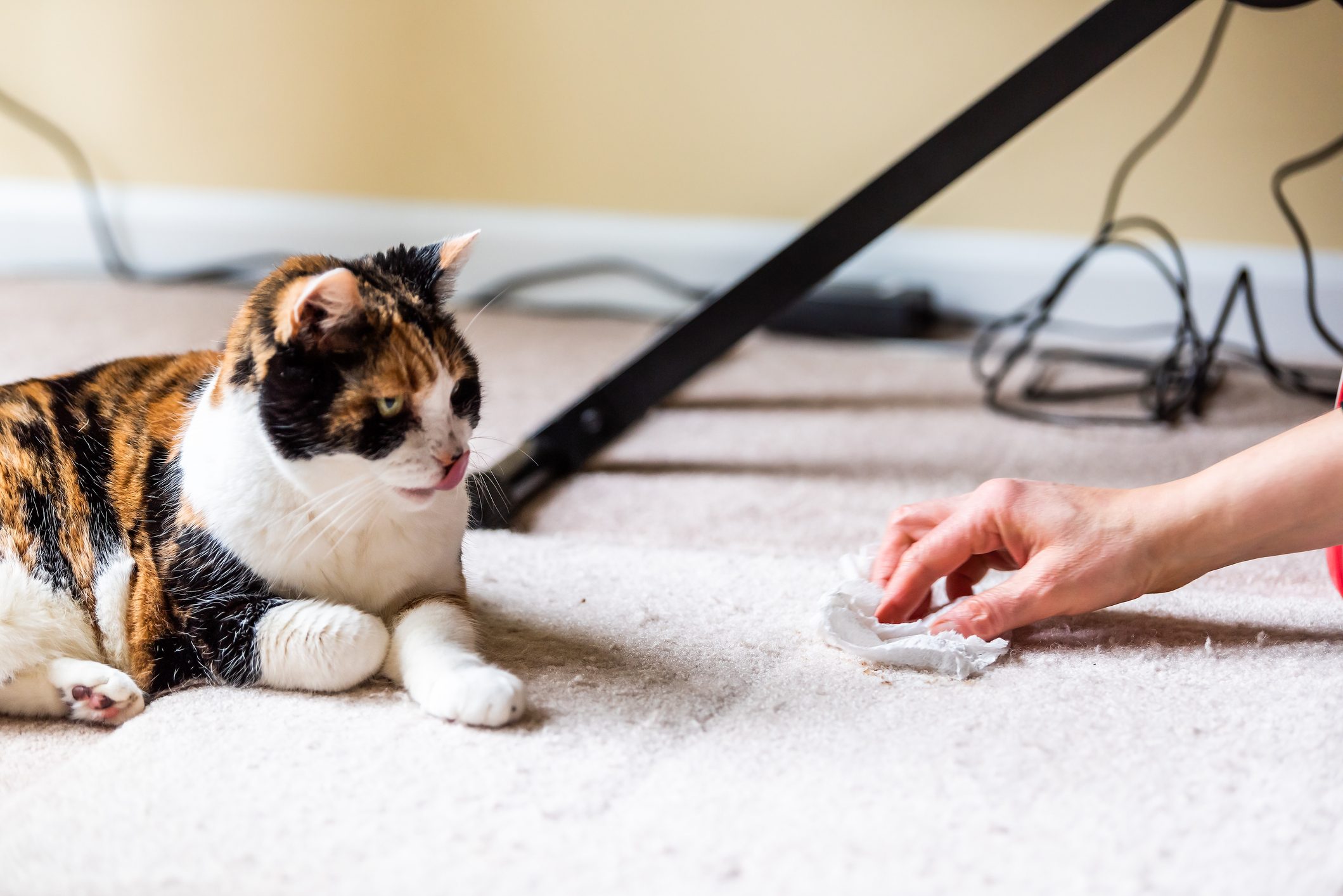
Cleaning the spots where your cat peed is very important. Cats remember smells. If the smell stays, they might pee there again. Cleaning well stops this habit. Use the right cleaners. Avoid products that can make your cat pee more.
Use Enzymatic Cleaners
Enzymatic cleaners break down urine molecules. They remove the smell completely. This stops cats from returning to the same spot. Use these cleaners on all rugs and carpets. Follow the instructions on the label. Let the cleaner sit for the best result. Rinse with water if needed. Dry the area well after cleaning.
Avoid Ammonia-based Products
Ammonia smells like cat urine to cats. It can attract your cat back to the spot. Avoid using cleaners with ammonia. These cleaners make the problem worse. Use gentle, enzyme-based products instead. This keeps the area clean without inviting your cat back.
Improve Litter Box Appeal
Improving the litter box appeal can stop your cat from peeing on rugs. Cats prefer a clean, comfortable place to do their business. Making the litter box more inviting helps your cat use it more often. Small changes can make a big difference in your cat’s behavior.
Choose The Right Litter
Pick a litter your cat likes. Soft, unscented clumping litter is best. Avoid strong smells. Cats dislike scented litter. Try different types to see which one your cat prefers. A litter that feels good on their paws encourages use.
Maintain Cleanliness
Clean the litter box every day. Remove waste to keep it fresh. Cats avoid dirty boxes. Wash the box with mild soap weekly. A clean box reduces odors and keeps your cat happy. Fresh litter invites your cat back.
Adjust Box Location
Place the box in a quiet, private spot. Avoid noisy or busy areas. Cats want privacy. Make sure the box is easy to reach. Too far or hidden places may stop your cat from using it. A calm location encourages regular use.
:strip_icc()/help-with-cat-pooping-on-rug-554023-c17d422e040f433a9e03a0fdb6517a56.jpg)
Credit: www.thesprucepets.com
Modify Cat’s Environment
Changing your cat’s surroundings can stop them from peeing on rugs. Cats react to their environment. Small changes can guide them to better habits. Adjusting their space helps reduce stress and confusion.
Limit Access To Rugs
Keep rugs out of your cat’s reach. Close doors or use pet gates. Move rugs to rooms your cat rarely visits. Use double-sided tape on rugs to discourage them. Cats dislike sticky textures under their paws.
Provide Alternative Resting Spots
Give your cat comfy places to relax. Soft beds or blankets work well. Place these spots near windows or quiet areas. Cats like feeling safe and cozy. Encourage your cat to use these areas often.
Use Deterrents Effectively
Using deterrents effectively helps stop cats from peeing on rugs. Deterrents make rugs less appealing places for cats. This approach supports training without causing harm or stress to your pet.
Apply Safe Repellents
Safe repellents keep cats away without hurting them. Choose natural sprays made from citrus or lavender. Cats dislike these smells and avoid treated areas. Spray the repellent lightly on rugs and nearby spaces. Repeat often to maintain the scent. Avoid strong chemicals that can harm your cat or damage rugs.
Incorporate Textural Barriers
Textural barriers change how the rug feels under your cat’s paws. Use materials cats dislike walking on, like aluminum foil or plastic mats with bumps. Place these on rugs where your cat pees. The odd texture discourages your cat from stepping there. Switch materials if your cat gets used to one. This method creates a physical reminder for your cat to stay away.

Credit: www.golfsouthayrshire.com
Reinforce Positive Behavior
Reinforcing positive behavior helps your cat learn good habits. Cats respond well to rewards and attention. This approach encourages your cat to use the litter box correctly. It also reduces accidents on rugs. Patience and consistency are key to success.
Reward Proper Litter Use
Give your cat a treat right after using the litter box. Praise them with a soft voice or gentle petting. This shows your cat that using the box is good. Avoid punishment, as it can cause fear. Rewards create a positive link with the litter box.
Engage In Play And Attention
Spend time playing with your cat daily. Play lowers stress, which can cause peeing outside the box. Use toys your cat likes, such as feathers or balls. Give your cat attention to feel safe and loved. A happy cat is less likely to have accidents.
When To Seek Professional Help
Knowing when to seek professional help is important for stopping your cat from peeing on rugs. Sometimes, the problem is more than just behavior. It could be related to health or stress. Acting too late can make the problem worse. Professionals can find the root cause and offer proper advice. Here are two key experts to consider.
Consult A Veterinarian
A vet can check if your cat has a medical issue. Urinary tract infections or bladder problems can cause accidents. Pain or discomfort may make your cat avoid the litter box. Your vet can run tests and provide treatment. Do not ignore changes in your cat’s bathroom habits. Early diagnosis helps prevent serious health problems. Always ask your vet about any unusual behavior.
Consider A Behaviorist
A behaviorist studies your cat’s actions and environment. Stress, anxiety, or changes at home can cause urination issues. The behaviorist can identify triggers and suggest changes. They teach you ways to reduce your cat’s stress. Sometimes, simple adjustments stop the problem. A professional can guide you through behavior modification. Their advice fits your cat’s unique needs.
Credit: www.rd.com
Frequently Asked Questions
Why Is My Cat Peeing On Rugs Instead Of Litter Box?
Cats may avoid the litter box due to stress, dirty litter, or health issues.
How Can I Stop My Cat From Peeing On Rugs?
Clean rugs well, provide a clean litter box, and reduce stress for your cat.
Can Medical Problems Cause My Cat To Pee On Rugs?
Yes, urinary tract infections and other health issues can cause this behavior.
What Cleaning Method Removes Cat Pee Smell From Rugs?
Use enzyme cleaners to fully break down urine and remove the smell.
How Many Litter Boxes Should I Have For My Cat?
Provide one more litter box than the number of cats in your home.
Does Changing Litter Type Help Stop Rug Peeing?
Yes, some cats prefer certain litter textures or scents, so experiment gently.
Conclusion
Stopping your cat from peeing on rugs takes patience and care. Check your cat’s health first to rule out problems. Clean rugs well to remove smells that invite peeing. Give your cat a clean, quiet litter box nearby. Try using sprays that keep cats away from rugs.
Spend time playing and calming your cat every day. Small changes can make a big difference over time. Your cat can learn to use the right spot again. Keep trying and stay consistent for best results.
As an Amazon Associate, I earn from qualifying purchases.