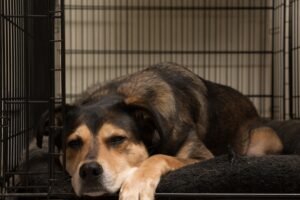
Is your dog refusing to eat and you don’t know what to do? When your furry friend is sick, getting them to eat can feel frustrating and worrying.
You want to help your dog feel better, but seeing them push away their food leaves you feeling helpless. The good news is, there are simple and effective ways you can encourage your dog to eat, even when they’re not feeling their best.
Keep reading to discover easy tips that can make mealtime easier for your dog—and bring back their appetite faster.
Signs Your Dog Is Not Eating
Not eating is a clear sign that your dog may be feeling unwell. Dogs usually have a good appetite, so a sudden loss can indicate sickness. Recognizing this early helps you take quick action. Watch closely for changes in how your dog eats or behaves. These signs show your dog needs care and attention.
Common Symptoms Of Illness
Loss of appetite is often paired with other symptoms. Vomiting or diarrhea can show your dog is sick. Your dog may also have a fever or cough. Look for signs like tiredness or weakness. These symptoms often appear before your dog stops eating. Notice any unusual breathing or difficulty swallowing. These are important signs of health problems.
Behavior Changes To Watch For
Your dog might act different when sick. They may sleep more than usual. Your dog can seem restless or irritable. Avoiding play or walks is a warning sign. Your dog may hide or stay alone. Changes in drinking habits can also signal illness. Pay attention to any mood shifts or low energy.
:strip_icc()/why-do-dogs-eat-poop-2804569_FINAL-818d06ee96e140109db650bc98371e70.png)
Credit: policlinicabiofauna.com
Reasons Dogs Refuse Food When Sick
Dogs may refuse food when they feel sick. This behavior can worry pet owners. Understanding why dogs stop eating helps provide better care. Various health issues can cause loss of appetite. Knowing the common reasons helps identify the problem faster.
Digestive Issues
Stomach pain or upset can make dogs avoid food. Problems like nausea, vomiting, or diarrhea affect their appetite. Eating might cause discomfort, so dogs choose not to eat. Digestive problems often signal the need for a vet visit.
Pain And Discomfort
Pain reduces a dog’s desire to eat. Injuries, infections, or illnesses cause discomfort. Dogs may feel too weak or tired to eat. Pain in the mouth or teeth can make chewing hard. Watching your dog’s behavior can show signs of pain.
Medication Side Effects
Some medicines cause loss of appetite as a side effect. Drugs for infections or pain may upset the stomach. Dogs may feel nauseous or tired after taking medication. This can lead to skipping meals for a short time.
Quick Tips To Encourage Eating
When your dog feels sick, eating can be hard for them. Encouraging your dog to eat helps them get stronger. Small steps can make a big difference. Here are quick tips to help your dog eat more easily.
Warming Up The Food
Warming food can make it more tempting. Heat the food slightly to release its smell. Warm food feels softer and easier to eat. Always check the temperature to avoid burns. This simple step can attract your dog’s attention.
Offering Small, Frequent Meals
Large meals can overwhelm a sick dog. Offer small portions more often during the day. This keeps their energy steady and helps digestion. Frequent meals are easier for weak stomachs. Try giving food every few hours instead of one big meal.
Using Strong-smelling Foods
Strong smells can stimulate your dog’s appetite. Add small amounts of broth or cooked chicken. Avoid spices or ingredients that upset their stomach. Strong smells make food more interesting and inviting. This encourages your dog to take a bite.

Credit: www.wikihow.com
Safe Food Options For Sick Dogs
Finding safe food options for a sick dog is important for their recovery. Sick dogs often lose their appetite or feel weak. Feeding them the right food helps keep their energy up and supports healing. Choose gentle foods that are easy to digest and low in fat.
Here are some safe food options that many dogs tolerate well when they are sick. These choices provide nutrients without upsetting their stomachs.
Boiled Chicken And Rice
Boiled chicken and rice is a classic meal for sick dogs. Use skinless, boneless chicken breast. Boil it until fully cooked, then shred into small pieces. Cook plain white rice without spices or oil. This combo is gentle on the stomach and provides protein and carbs. Serve in small amounts to avoid overfeeding.
Pumpkin And Sweet Potato
Pumpkin and sweet potato are excellent for sick dogs. Both are easy to digest and help with digestion. Use plain canned pumpkin or cook fresh pumpkin until soft. Cook sweet potato until tender and mash it. These foods add fiber and vitamins to support gut health. Avoid adding sugar or spices.
Commercial Recovery Diets
Commercial recovery diets are made for sick dogs. They contain balanced nutrients and are easy to digest. These diets often come as canned or dry food. Follow your vet’s advice on which brand to choose. Offer small portions and warm the food slightly to make it more appealing.
Hydration Tips During Illness
Keeping your dog hydrated during illness is very important. Water helps your pet fight infection and stay strong. Sick dogs may not want to drink much. This can make them feel worse. Use simple ways to encourage drinking and keep fluids up.
Encouraging Water Intake
Offer fresh, clean water often. Change the water several times a day. Use a shallow bowl if your dog finds it easier to drink. Try giving small amounts of water more times a day. Some dogs like cold water or ice cubes. Place water bowls in quiet, easy-to-reach places. Praise your dog softly when they drink. Avoid forcing water, as it may cause stress.
Using Broths And Electrolytes
Broths can make drinking more appealing. Use low-sodium chicken or beef broth. Warm it slightly to release a nice smell. Broth adds flavor and some nutrients too. Electrolyte solutions made for pets help replace lost salts. Check with your vet before giving electrolytes. Avoid broths with onions, garlic, or spices. These can be harmful to dogs. Mix broth or electrolytes with water for better taste.

Credit: www.wikihow.com
When To Seek Veterinary Help
Knowing when to seek veterinary help is crucial if your dog stops eating. Loss of appetite can signal mild issues or serious health problems. Acting early can prevent complications and improve recovery chances.
Monitor your dog closely. Notice how long the refusal to eat lasts and watch for other symptoms. Immediate help may be necessary to keep your dog safe and healthy.
Persistent Refusal To Eat
If your dog refuses food for more than 24 hours, contact a vet. Long periods without eating can weaken your dog. It may also cause other health problems. Persistent refusal is a red flag for underlying illness.
Signs Of Severe Illness
Look for vomiting, diarrhea, or breathing trouble. Lethargy and weakness also indicate serious issues. Swelling, pain, or bleeding require urgent attention. These signs show your dog may need medical care fast.
Emergency Care Indicators
Seek emergency help if your dog collapses or loses consciousness. Difficulty breathing or seizures demand immediate veterinary care. Severe bleeding or inability to stand also call for urgent action. These signs mean your dog’s life may be at risk.
Frequently Asked Questions
Why Won’t My Dog Eat When Sick?
Illness can reduce appetite in dogs due to pain, nausea, or low energy.
How Can I Encourage My Sick Dog To Eat?
Offer soft, warm food and try feeding small, frequent meals.
What Foods Are Best For A Sick Dog’s Appetite?
Plain boiled chicken and rice or canned dog food often work well.
When Should I See A Vet About My Dog’s Eating?
If your dog refuses food for more than 24 hours, contact a vet.
Can Dehydration Affect My Dog’s Eating Habits?
Yes, dehydration can lower appetite; ensure your dog drinks enough water.
How To Make Medicine Taste Better For A Sick Dog?
Mix medicine with tasty food like peanut butter or cheese to help.
Conclusion
Helping a sick dog eat takes patience and care. Offer soft, tasty foods and warm meals. Keep water nearby and encourage small bites. Watch for changes in appetite or behavior closely. Always ask your vet if eating problems last. Your gentle support helps your dog feel better.
Small steps each day make a big difference. Keep trying, and your dog will regain strength. Caring for a sick pet shows your love clearly.
As an Amazon Associate, I earn from qualifying purchases.